How to Find LEGO Compatible Alternatives That Match Your Builder Type
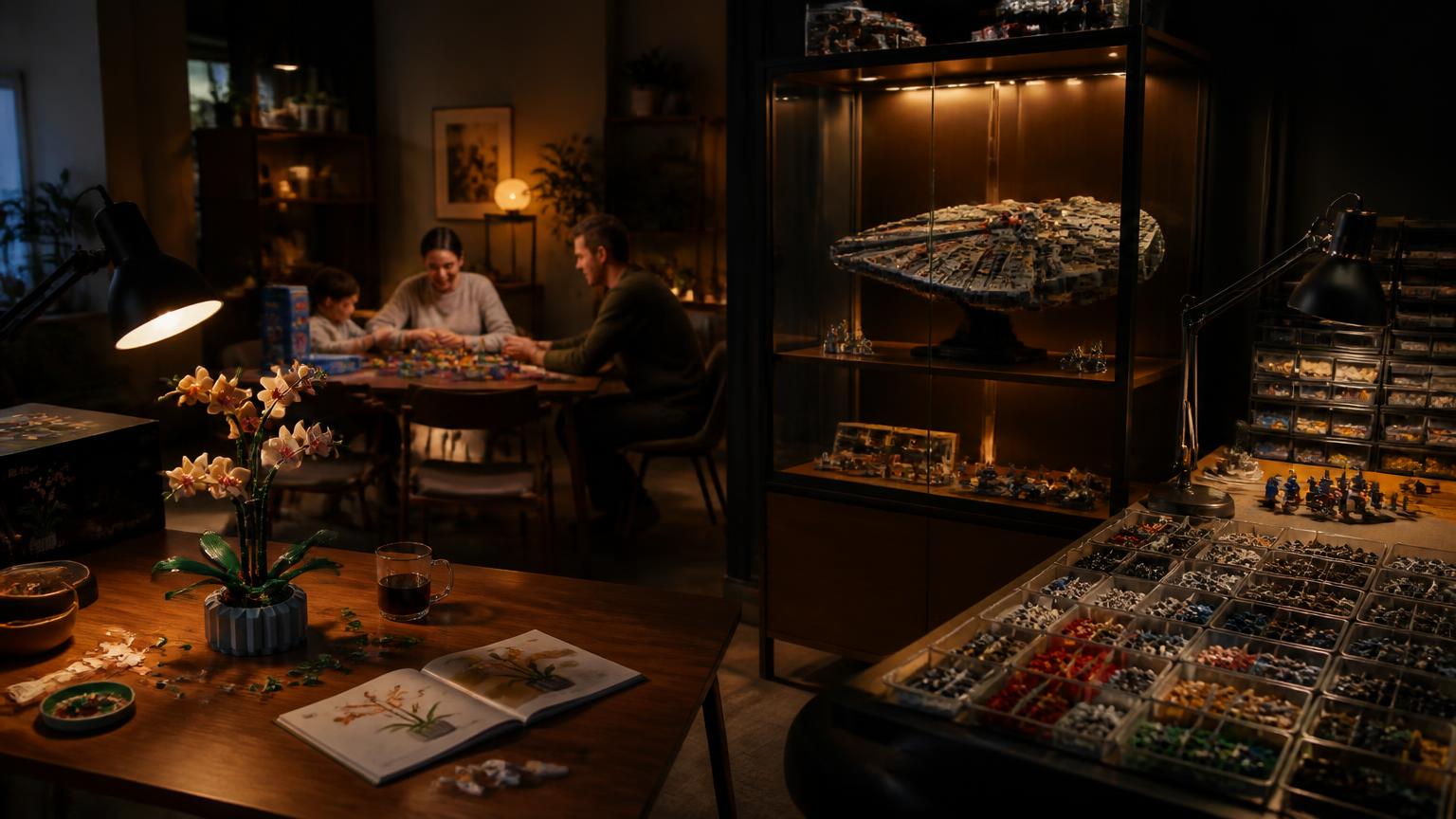
Not every builder wants the same thing. A parent shopping for a rainy-day activity has almost nothing in common with a collector hunting a 5,000-piece centerpiece. Yet most buying guides treat everyone the same — a generic list of specs that ignores who you actually are.
This guide flips that approach. Instead of ranking bricks in a vacuum, it helps you match the right LEGO compatible alternatives to your builder profile, your lifestyle and your goals. Figure out which type you are, and the right set almost picks itself.
Why Builder Type Matters More Than Specs
Two sets can score identically on paper and still be wrong for you. A dense mechanical model is a dream for one person and a nightmare for another. The set did not change — the builder did. Buy against your type and even a technically excellent set collects dust.
- The Hobbyist — builds to relax and unwind.
- The Parent — buys for family time and learning.
- The Collector — chases display pieces and rarity.
- The Creator — designs original builds from scratch.
Step 1: Identify Your Builder Type
Before you browse a single set, answer four quick questions. Your answers point straight to your profile.
- The feeling you want at the end. Calm → hobbyist. Connected to your kids → parent. Proud of a showpiece → collector. Excited by your own idea → creator.
- Where the finished build goes. Back in the box → hobbyist. A family shelf → parent. A display cabinet → collector. Photographed then dismantled → creator.
- Your ideal build length. A relaxing weekend, short finishable sessions, a long immersive project, or however long the design takes.
- What matters in the box. A flowing build, clear instructions, exclusive detail, or loose parts and baseplates.
Step 2: The Hobbyist's Shopping Path
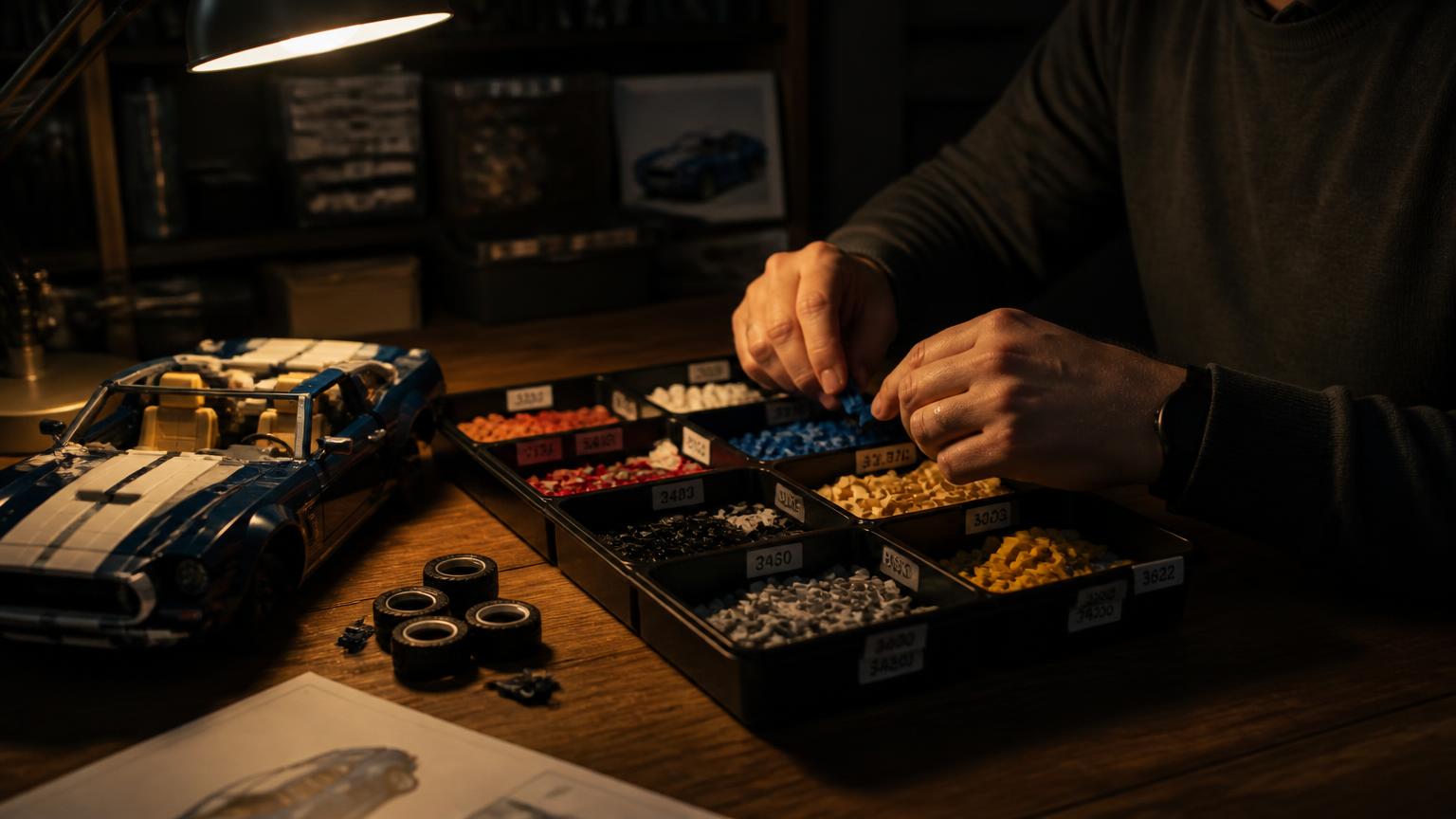
You build to switch off. For you, the experience of building beats the trophy at the end. Prioritize flow over frustration — numbered bags and logical assembly — mid-range piece counts between 1,000 and 2,000, repeat-build durability and themes that calm you.
Skip ultra-massive sets that feel like homework, poor instructions and novelty kits you build once. Quality alternatives deliver the same meditative build at a friendlier price, which means you can build more often. Our collection organizing guide keeps that habit tidy.
Step 3: The Parent's Shopping Path
- Age-appropriate complexity. Ages 5–7 want larger pieces and short builds; 8–11 handle light mechanics; 12–14 enjoy complex builds and design challenges.
- STEM value. Gears and simple machines teach sequencing and cause-and-effect without feeling like a lesson.
- Crystal-clear instructions. Big diagrams and logical sub-assemblies let a child build independently.
- Durability for real play. ABS plastic and firm connections survive dropping, stacking and rebuilding.
Lower prices mean every child in the house can have their own project without stretching the budget.
Step 4: The Collector's Shopping Path
You buy for the finished piece. Prioritize display-grade detail, genuine ABS that resists yellowing under cabinet lighting, scale that fits your shelf and themes the mainstream brands never made. Measure your display space before buying, prioritize themes you genuinely love, check color consistency for batch drift and plan the lighting. The same budget that buys one premium set often secures two or three equally detailed compatible brand alternatives.
Step 5: The Creator's Shopping Path
- Stock up on standard bricks and plates in your core colors.
- Add a variety pack of specialty and connector pieces.
- Grab a few baseplates in different sizes.
- Expand with themed part packs as projects demand.
Part variety beats set design here, and brands that sell parts à la carte turn one purchase into an open-ended parts bin. Start with our base plate guide before you build a foundation.
Step 6: Factor In Your Lifestyle and Space
| Your Reality | Smart Choice |
|---|---|
| Busy weeks, short sessions | Smaller sets you can pause cleanly |
| Long relaxed weekends | Dense, immersive builds |
| Limited shelf space | Compact display or rebuild-and-return models |
| Dedicated display area | Large statement builds |
| Shared family spaces | Durable sets that survive everyday life |
| One special purchase a year | Invest in a standout centerpiece |
Step 7: Future-Proof Your First Purchase
- Insist on the standard stud system. A 4.8mm stud keeps every future purchase compatible with what you own today.
- Choose a brand with range. Parts, baseplates and varied themes let a brand grow with your skills.
- Check the after-sale side. Replacement parts and clear help resources mean a missing piece never kills a project.
Putting It All Together
Identify your type, shop to your priorities, factor in lifestyle and buy into a compatible system rather than a lone set. Do this and your next purchase will not just be a good set — it will be the right set, one that fits your life and grows with you. When you are ready to compare specific candidates, run the scorecard in our compatible comparison guide.
Frequently Asked Questions
I fit into two builder types. Which one should I shop for?
Overlap is completely normal — plenty of people are both a relaxed hobbyist and an aspiring creator, or a parent who is also a collector. Pick the profile that matches your goal for this specific purchase. If you are buying to unwind, shop as a hobbyist. If the same week you want parts for an original design, shop as a creator for that buy. Let each purchase serve one clear intention and you will never end up with a set that half-fits two needs.
Are LEGO compatible alternatives durable enough for kids and repeated play?
Yes, when you choose quality. Look for sets made from genuine ABS plastic with firm, consistent clutch power. These survive the dropping, stacking and constant rebuilding that comes with real family play. ABS also resists cracking and holds its color, so a set handed down from an older child to a younger one still looks and performs well.
Will alternative bricks work with the sets I already own?
They should — as long as you choose products built on the standard stud-and-tube system with a 4.8mm stud diameter. That standard is what makes cross-brand building possible, letting you fold new sets and loose parts into your existing collection seamlessly. Always confirm a brand commits to standard compatibility before you buy.
I'm a collector worried about display quality. What should I check first?
Focus on three things: printing sharpness, proportional accuracy and plastic quality. Crisp printed details and correct proportions are what make a model read as a showpiece rather than a toy. Genuine ABS resists yellowing under display lighting. Also measure your shelf or cabinet space before buying a large statement set.
How do I start if I want to design my own original builds?
Begin by building a parts foundation rather than chasing finished sets. Stock up on standard bricks and plates in a few core colors, add a variety pack of specialty pieces like hinges, gears and slopes, and grab baseplates in a couple of sizes. Affordable, compatible parts let you experiment freely — if a design does not work, you have risked very little.
Order LEGO-Compatible Sets from Morebybourn
We sell LEGO alternative sets and compatible bricks built on the standard 4.8mm stud system, so whichever builder type you are, the parts fit the collection you already own. If you would like help choosing the right set, simply contact our customer service team and we will place the order for you.