How to Mix LEGO Compatible Bricks Into Your Existing Collection
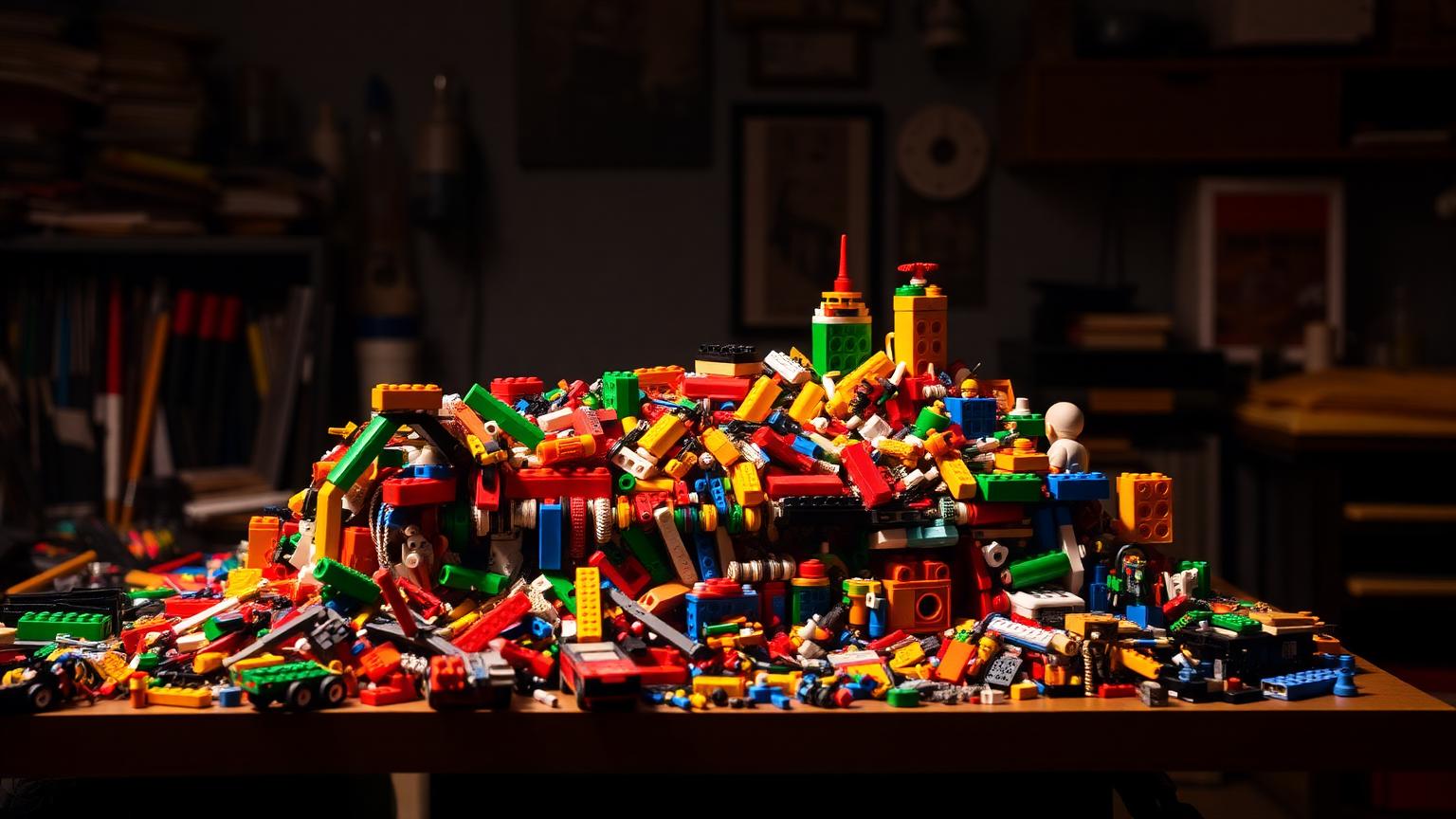
You have built up a solid brick collection over the years. Then you spot a new set from a different maker, and one question stops you: will these actually work with what I already own? When bricks are made right, mixing brands opens creative possibilities a single-brand collection cannot match.
This guide shows you how to test compatibility, sort a mixed collection, blend colours and part styles, and avoid the small mistakes that trip up even experienced hobbyists.
Why Mixing Brands Is Worth Doing
One maker might excel at minifigures, another at technical parts, a third at unusual colours. When your bricks are lego compatible, those walls come down and your collection becomes a shared pool of parts. Families stretch a budget further; custom designers get a deeper parts library. It all rests on precision — bricks that hold tight tolerances snap together regardless of who made them. Choosing well starts with our guide to the best compatible brands.
Step 1: Test Compatibility Before You Commit
- The snap test. Press a new brick onto an old stud. You want a firm, clean click — not a mushy push or a jam.
- The hold test. Turn the connection upside down. A quality fit holds without sliding or dropping.
- The stack test. Build a small tower mixing old and new pieces. It should feel solid, with no wobble at the seams.
- The pull test. Separate the bricks. Expect resistance, then a clean release with no scuffing on the studs.
If a new piece feels loose, too tight or leaves marks, set it aside for casual play rather than structural builds.
Step 2: Sort Your Mixed Collection Smartly
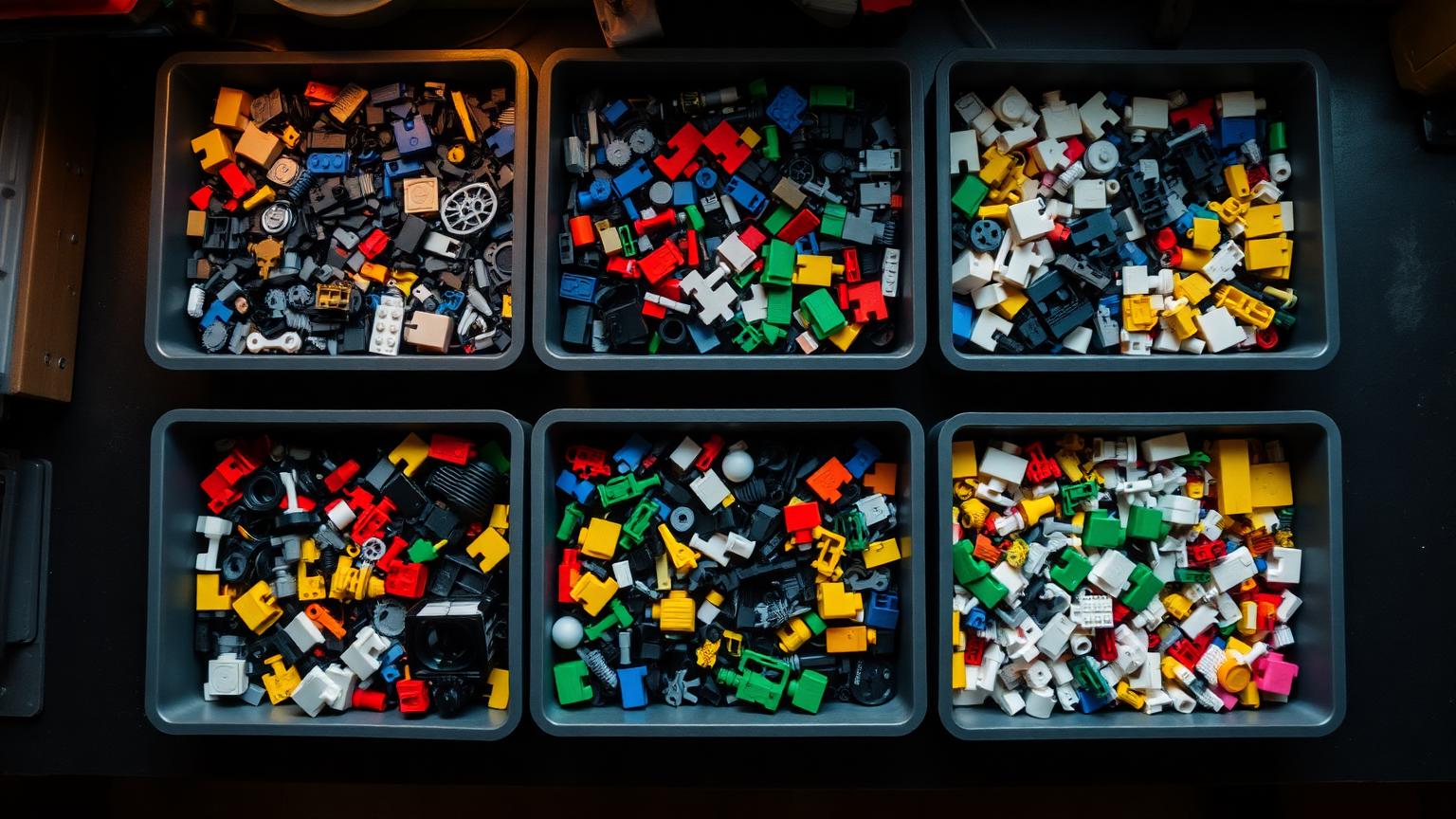
- Structural bricks — standard bricks, plates, baseplates.
- Detail pieces — tiles, slopes, curves, textures.
- Connectors — clips, hinges, ball joints, brackets.
- Specialty parts — translucent pieces, printed tiles, unique elements.
- Technical parts — gears, axles, pins, beams.
Sorting by function rather than colour pays off fast: you reach for a part by what it does, not where it came from. More organisation ideas live in the Morebybourn article hub.
Step 3: Blend Colours Across Brands
- Match within visible surfaces. Keep outer walls to one brand so near-identical greys do not read as a mistake.
- Hide mismatches inside. Structural interiors are the perfect place for odd-shade bricks.
- Turn variation into a feature. Weathered stone, rusted metal and tree bark all benefit from subtle shade differences.
- Build a colour reference. Tape one brick from each brand in your core colours to a card for quick checks.
Step 4: Combine Part Styles for Custom Builds
- Bulk structure. Use affordable value-tier bricks for hidden internal skeletons.
- Signature details. Reserve premium and specialty parts for visible showpiece elements.
- Technical function. Route moving mechanisms through whichever brand offers the strongest gears and axles.
- Minifigures and accessories. Mix figures freely for scene variety no single set provides.
Step 5: Reinforce Cross-Brand Structural Joints
- Overlap your seams. Stagger joints like bricklaying so each layer locks the one below.
- Use plates as tie layers. A full plate layer across a transition bonds two sections far better than bricks alone.
- Anchor with connectors. Pins, brackets and clips create mechanical locks at cantilevers and towers.
- Test load early. Lift and gently flex the structure before you are 20 hours deep.
Step 6: Document and Grow Your System
Log your inventory in a simple spreadsheet, note which brands pair seamlessly in your experience, photograph clever cross-brand joints you solve, and share mixed builds with other builders. Over time this becomes a personal compatibility guide worth more than any generic chart.
Common Mistakes to Avoid
- Assuming all bricks are equal. Always test a new brand before trusting it structurally.
- Lining up seams. Aligned joints between brands create weak points.
- Ignoring colour shades. Near-matches look worse than obvious contrasts.
- Skipping the sort. A disorganised mixed collection kills creative flow.
- Forcing tight pieces. You risk cracking the piece or stressing the stud.
Collector Insights for Mixed Collections
Keep premium and limited pieces identifiable, store rare parts separately, and favour ABS across all brands so display models age evenly. Choosing brands that reliably stay compatible means every future purchase strengthens your pool instead of fragmenting it — browse compatible sets in our product collection or explore more guides in the Lego Compatible Bricks hub.
Frequently Asked Questions
Can I safely mix different brick brands in the same build?
Yes, as long as the bricks are genuinely lego compatible. Well-made bricks hold standard tolerances, so they snap together seamlessly across brands. Always run a quick compatibility test on new pieces first, and use staggered seams plus connectors at stress points for the strongest results.
Will mixing brands weaken my model structurally?
Not if you build smart. The key is avoiding aligned seams between brands and reinforcing high-stress areas like towers and cantilevers with plate tie-layers and technical connectors. Done this way, a mixed build holds together just as reliably as a single-brand one.
How do I deal with slightly different colour shades between brands?
Control where each shade appears. Use one brand for visible outer surfaces to keep colours consistent, and save odd-shade bricks for hidden interiors. For textured elements like stone or bark, subtle colour variation actually adds realism, so mismatches become an asset.
Do mixed collections lose value for collectors?
Only if you lose track of what is what. Note which premium or limited pieces came from which set, store rare parts carefully, and stick to ABS material for display models. Managed well, a mixed collection stays valuable and grows more capable over time.
What is the fastest way to check a new brand before merging it?
Run the four-part test on a spare baseplate: the snap test for a clean click, the hold test upside down, the stack test for wobble at mixed seams, and the pull test for clean release without stud scuffing. Bricks that pass all four can join your main pool; anything loose or tight should stay in casual play.
Order LEGO-Compatible Sets from Morebybourn
We sell LEGO alternative sets and compatible bricks built to the same universal standard. If you would like help picking parts that merge cleanly into your existing collection, simply contact our customer service team and we will place the order for you.