How to Mix Base Plates and Large Bricks Across LEGO, Duplo and Alternative Brands
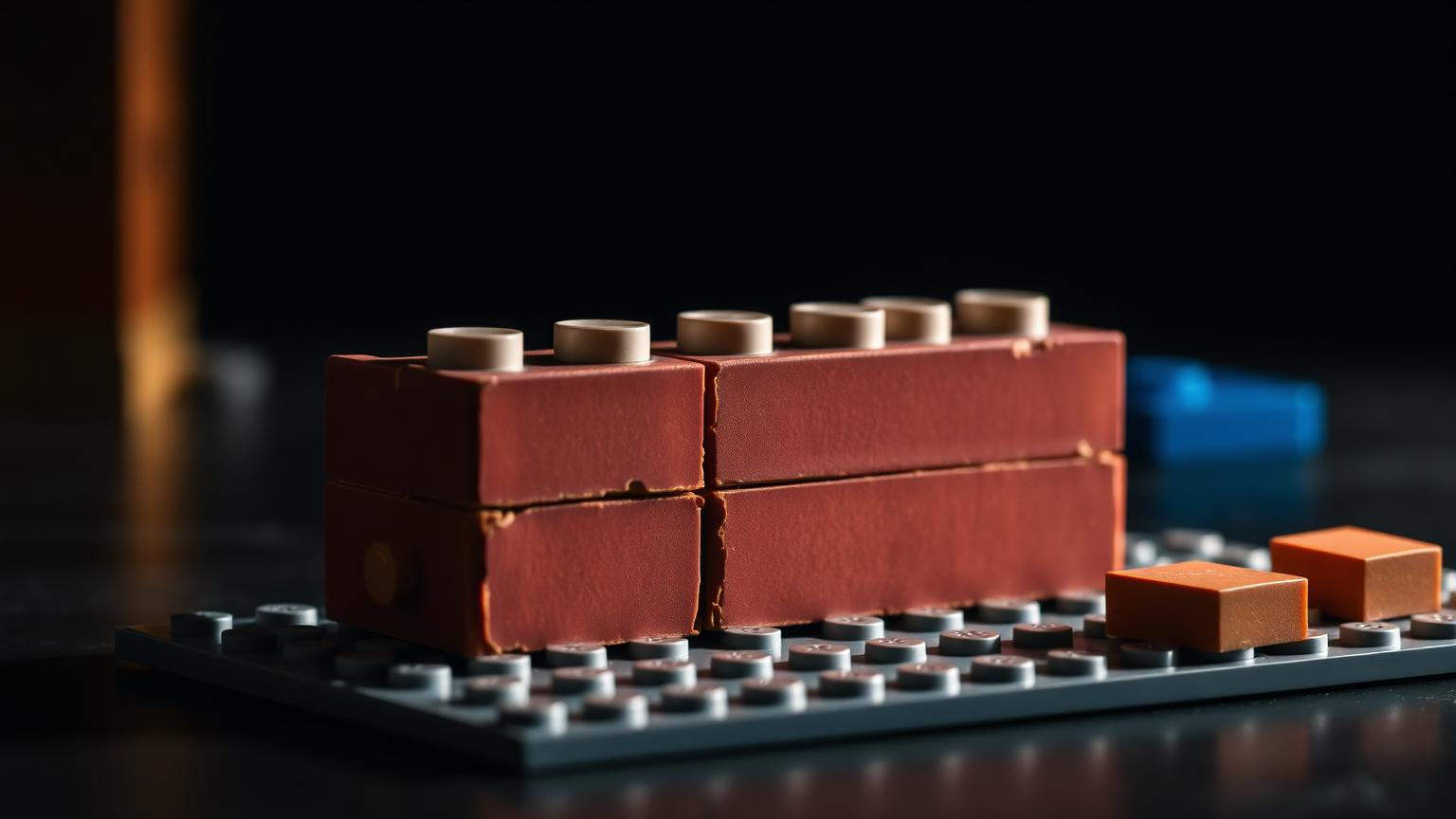
Base plates and big bricks look simple, yet they cause more compatibility confusion than any other part of the hobby. The stud spacing changes, the scale doubles, and suddenly a plate you bought will not hold the bricks your kids already own.
This guide gives you a practical method to test and use base plates and large bricks across LEGO, LEGO Duplo and alternative brands like Cubimana and Cutedeer. Morebybourn builds to standard tolerances, but the testing steps below work for any brick you are weighing up.
Understanding the Two Brick Scales First
Standard-scale bricks use studs spaced 8mm apart — the scale most adult builders and older kids use for detailed models. Large-scale bricks (the Duplo system and its equivalents) use studs spaced roughly double that, suiting small hands and reducing choking risk.
The key fact that trips people up: the two scales connect in one direction. A standard small brick can sit on top of a large brick because the stud math lines up. A large brick will not clutch onto a fine standard baseplate the same way. That single rule explains nearly every base plate question you will run into.
The Base Plate Question Everyone Asks
So are LEGO base plates compatible with Duplo bricks? Standard base plates have fine studs at 8mm spacing, while Duplo bricks have large tubes underneath. Press a Duplo brick down and several fine studs fit inside its hollow underside, so it usually grips — just more loosely than a purpose-matched connection. The reverse never works. For a deeper look at clutch power in general, see our brick compatibility testing guide.
Step 1: Run the Base Plate Grip Test
- Press the large brick onto the base plate. It should catch with mild resistance; a total lack of grip means the tube geometry is off.
- Add a small standard brick beside it. This proves the plate itself is molded to spec.
- Test the stack-up direction. A small brick on top of a large brick should click cleanly — that is the connection designed to work.
- Check both brands each way. Never assume one good result covers the rest.
Step 2: Verify Alternative Large-Brick Brands
When builders ask whether Cubimana is compatible with LEGO systems, check four things: clean tube and stud molding with no flashing, an even grip on a genuine plate, a solid reverse connection, and matching stack heights across three bricks of each brand.
The same logic answers whether Cutedeer bricks are compatible with LEGO Duplo pieces: match the large footprint and stud spacing, cross-connect in both directions, check wall thickness, and squeeze the brick — quality ABS flexes and springs back rather than creaking.
Step 3: Build a Toddler-Safe Hybrid Setup
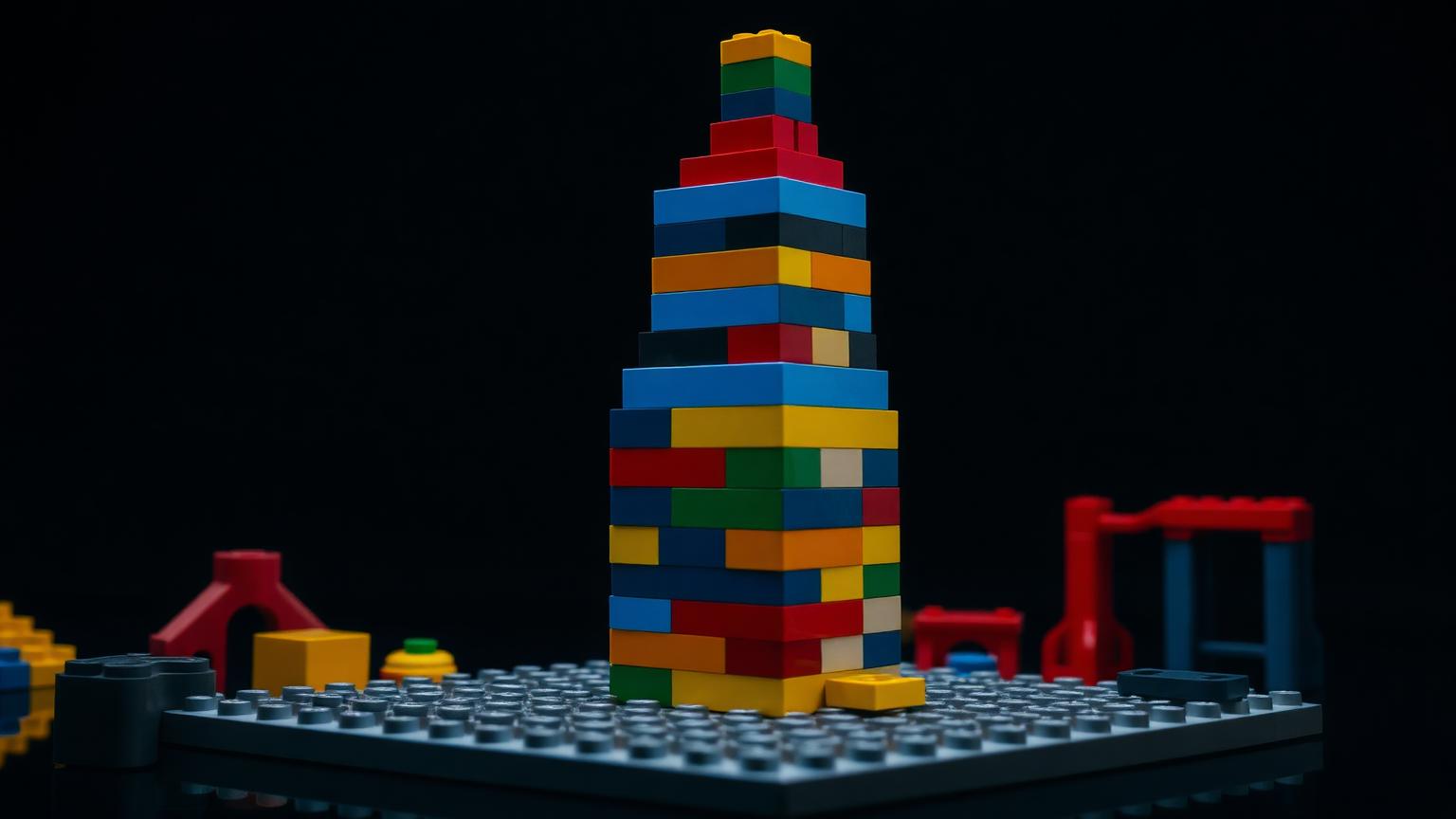
- Start with a large base. The bigger grid gives little hands room and keeps early towers stable.
- Keep small parts out of reach. Reserve fine-scale parts for older, supervised builders.
- Use large bricks for the core. Easy to grip, hard to swallow.
- Add detail with tested standard bricks on top. This mirrors how kids graduate from big bricks to the small system.
- Check every joint before handing it over. A brick that pops off easily becomes a loose part.
Step 4: Organize a Shared Family Collection
- Sort by scale first, brand second.
- Label your base plates as fine-stud or large-scale.
- Keep a reference brick from each brand as your known-good standard.
- Store by colour within scale to speed up building and cleanup.
- Track what mixes well — it becomes a personal buying guide.
Step 5: Shop Smarter for Plates and Large Bricks
Confirm the scale in the listing, look for ABS plastic, read reviews for grip reports, check stated tolerances, and buy one small set first before scaling up. Browse tested plates, large bricks and full sets in the Morebybourn product collection, or explore more technique guides in the Lego Compatible Bricks hub.
Tips for Mixing Scales Like a Pro
- Build up, not down. Large scale forms the foundation; standard scale adds detail on top.
- Use large bricks for structure and fine bricks for low-stress surfaces.
- Reinforce the transition layer with a full course of bricks.
- Photograph successful combos as a reference log.
- Involve the kids in testing — it is hands-on STEM built into playtime.
Frequently Asked Questions
Are LEGO base plates compatible with Duplo bricks?
In most cases, yes — with a caveat. Large Duplo-scale bricks usually grip a standard fine-stud base plate, because the small studs catch inside the large brick's hollow underside. The hold can feel a little looser than a purpose-matched connection. The reverse doesn't work: you can't place a fine standard plate on top of Duplo studs. Run the grip test to confirm how firmly your specific bricks hold.
Can I mix Cubimana bricks with my existing LEGO collection?
Generally, yes. Whether Cubimana is compatible with LEGO systems depends on molding quality, so test in both directions. Press a Cubimana brick onto a genuine LEGO plate and check for an even catch, then put a LEGO brick on top of the Cubimana brick and confirm it seats fully. Also stack three bricks of each brand side by side to verify matching heights.
Do Cutedeer bricks work with LEGO Duplo sets for toddlers?
Most quality large-scale bricks interchange cleanly with Duplo pieces. Line up the footprints to check the stud spacing matches, then cross-connect the bricks in both directions and look for a solid click. For toddler use, also check wall thickness and give each brick a firm squeeze — durable ABS springs back rather than creaking.
What plastic should compatible base plates and large bricks be made from?
Look for ABS (acrylonitrile butadiene styrene). It resists fading, cracking and clutch loss, which matters most for large bricks that face rough handling from small children. Lower-grade plastics feel lighter, dull faster and lose grip over time. Brands that specify ABS and state a tight manufacturing tolerance deliver the best long-term fit.
How do I know which scale to buy for my child's age?
For toddlers and younger children (roughly ages 2 to 5), choose large Duplo-scale bricks. Around ages 5 to 7, kids can start layering standard small bricks onto a large base for finer detail. From age 7 up, most children handle the full standard system comfortably. Building on a large base plate first lets one collection grow with your child across all these stages.
Order LEGO-Compatible Sets from Morebybourn
We sell LEGO alternative sets, compatible bricks and base plates built to the same universal standard. If you would like help choosing the right scale for your family collection, simply contact our customer service team and we will place the order for you.