How to Test and Maximize Brick Compatibility Between Alternative Brands and LEGO
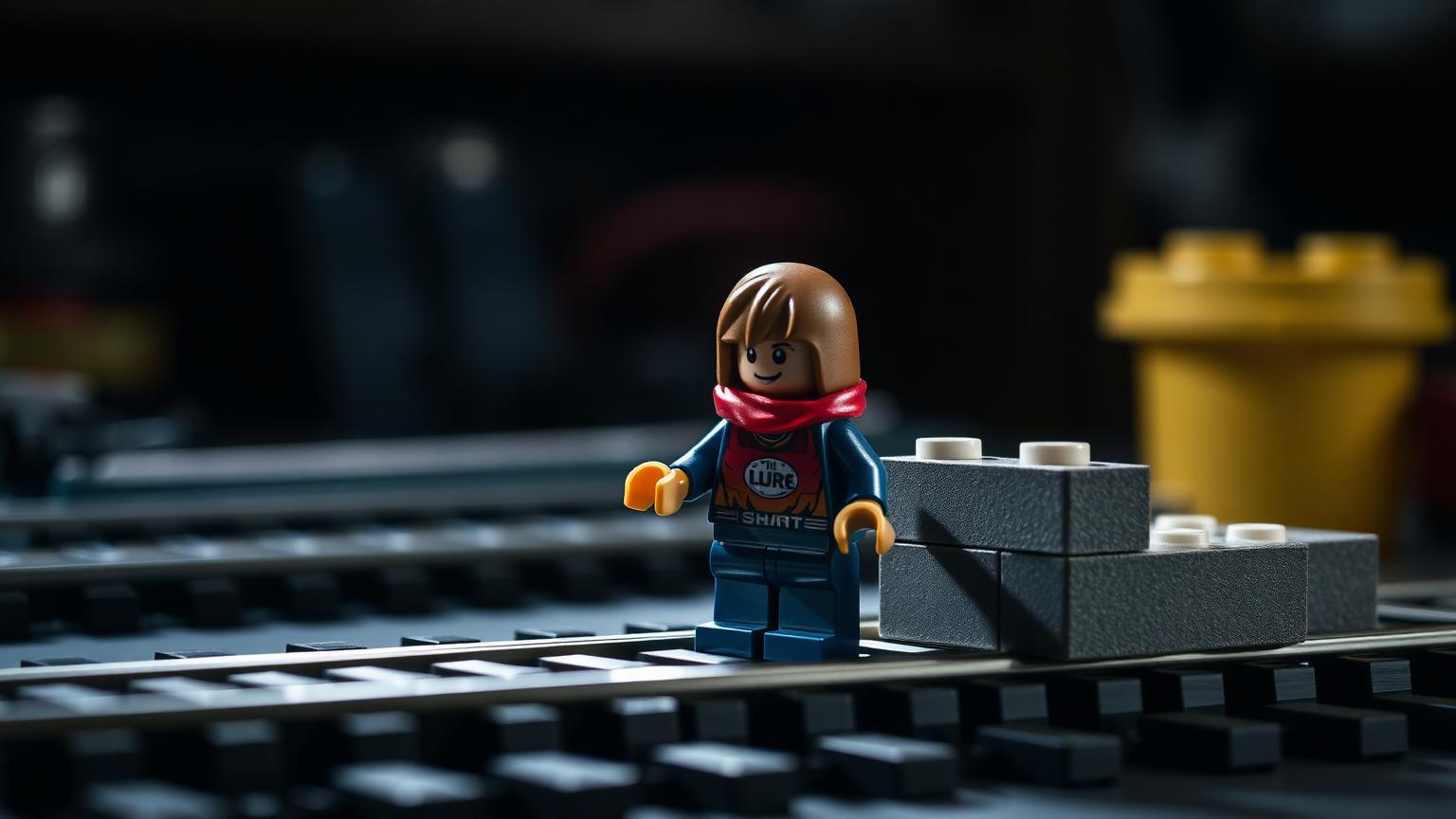
Mixing brick brands sounds simple until a minifigure hand will not grip a tool, or a train car derails on the wrong track gauge. Compatibility is not guaranteed just because two bricks look alike — tolerances, clutch power and connection geometry all vary between manufacturers.
This guide gives you a hands-on method to test, verify and get the most out of combining alternative bricks with your existing collection.
Why Compatibility Actually Matters
- Loose clutch means models sag or fall apart during handling.
- Over-tight clutch stresses parts and can crack thin elements over time.
- Scale mismatch throws off alignment across large builds.
- Poor tolerance creates gaps that ruin the look of tiled surfaces.
The good news: many alternative brands hit the same 1.5mm-to-1.6mm tolerance window as LEGO. You just need a reliable way to confirm it before committing to a big build.
Understanding the Three Compatibility Zones
- General brick compatibility — studs, plates, bricks and tiles.
- Minifigure compatibility — heads, torsos, legs, hands and accessories.
- Rail and track compatibility — track, wheels and gauge matching.
Step 1: Run the Basic Brick Clutch Test
Press the alternative brick onto a standard baseplate: it should click firmly and need a gentle, even pull to remove. Test the reverse direction too, stack three bricks of each brand to compare heights, and inspect the studs for clean molding without flashing. So when people ask is Enjbrick compatible with LEGO — or any other brand — this two-minute test answers it better than any marketing label. Our five-step fit test guide walks through each measurement in detail.
Step 2: Verify Minifigure Interchangeability
- Head-to-torso. The head should seat fully and rotate smoothly without popping off — then reverse the pairing.
- Torso-to-legs. A properly matched figure will not separate at the waist under a wiggle.
- Hands and accessories. C-clip bore size varies most between brands, so test tools before buying in bulk.
- Hair and headgear. Swap a few pieces across brands to confirm the top-stud fit.
Mixing parts is how creators build truly custom characters — but only when minifigures LEGO compatible claims hold up in both directions. See our minifigure army build guide for sourcing ideas.
Step 3: Confirm Rail and Track Compatibility
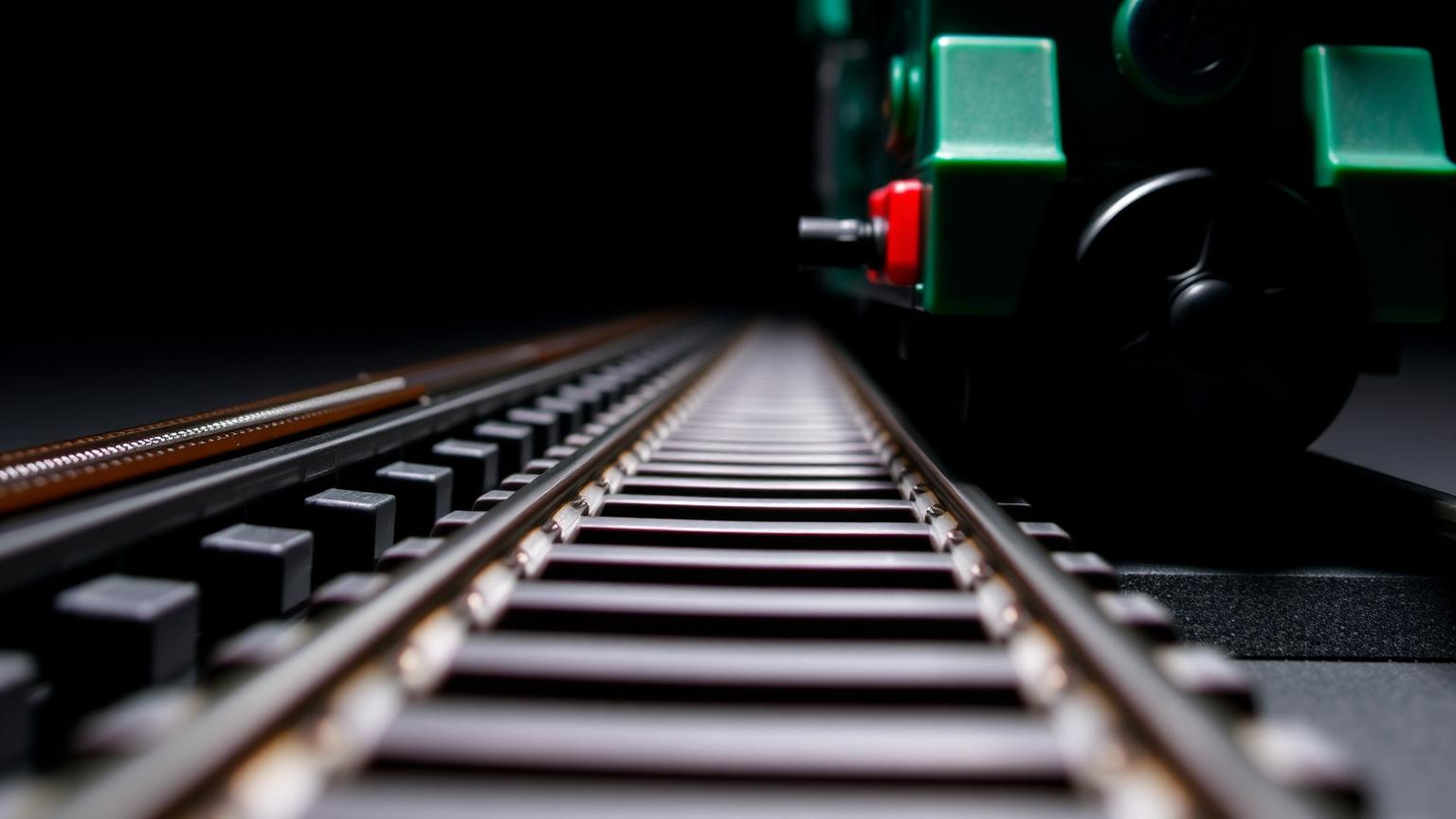
- Measure the gauge. Rail spacing must align perfectly; if the outer edges do not line up, walk away.
- Test the connectors. Joins should sit flush with no bump or gap that catches a wheel.
- Run the wheels in both directions and watch for hopping or lateral slop.
- Check curves and points — this is where cheaper track fails.
- Match the radius before combining track from two sources.
For full layout planning, read our LEGO-compatible train layout guide.
Step 4: Build a Small Test Section Before You Commit
- Cumulative drift. A wall that is fine at three bricks may bow at fifteen.
- Colour matching. "Red" varies between brands — compare under the same lighting.
- Surface finish. Mixed gloss and matte can look off on a smooth facade.
- Long-term hold. Leave the test build assembled for a week, then re-check the joints.
Step 5: Shop Smarter for Compatible Sets
Read tolerance claims, confirm ABS material, scan reviews for real build reports, look for specific compatibility statements, and start small with any new brand. Browse tested bricks, figures and track-ready sets in the Morebybourn product collection, or explore more guides in the Lego Compatible Bricks hub.
Tips for Mixing Brands Like a Pro
- Use one brand for the skeleton and accent brands for detail.
- Keep a parts test kit of known-good reference elements.
- Sort by brand and element so you can troubleshoot loose sections.
- Mind the stress points — hinges, columns and handled areas.
- Photograph your hybrids to build a personal reference log.
Frequently Asked Questions
Is Enjbrick compatible with LEGO and other major brick systems?
Most quality alternative brands, including those molded to standard tolerances, connect firmly with LEGO bricks in both directions. The reliable way to confirm any specific brand is the clutch test: press an alternative brick onto a LEGO baseplate and check for a firm click that needs a gentle, even pull to remove. If it holds securely both ways and stacks to matching heights, you have solid compatibility.
Are third-party minifigures fully interchangeable with LEGO figures?
In most cases, yes. Heads, torsos, legs and headgear from quality brands swap cleanly with LEGO parts. The one area to watch is the hands, since the C-clip that grips accessories can vary slightly in bore size between manufacturers. Test whether the hands hold your existing tools before buying in bulk.
Will alternative train track work with my LEGO trains?
It depends entirely on gauge and rail profile. The rail spacing must match exactly, and the connectors should join flush with no bump that could catch a wheel. Test by rolling both LEGO and alternative wheelsets across each brand's track, paying special attention to curves and switch points. Genuinely rail LEGO compatible track keeps wheels planted through a full curve with no hopping or binding.
What plastic should compatible bricks be made from?
Look for ABS (acrylonitrile butadiene styrene). It is the industry standard for durable, colour-stable bricks that resist fading and cracking. Lower-grade plastics may feel lighter, look duller and lose their clutch power over time. Brands that specify ABS and state a tight manufacturing tolerance generally deliver the best long-term compatibility.
Can I damage my LEGO parts by mixing in another brand?
Rarely, but it can happen if a brand's clutch is too tight, which stresses thin elements during removal. This is why the clutch test matters: a properly matched brick needs firm but reasonable force to separate. Avoid pairing over-tight bricks with delicate pieces like clips, minifigure accessories or thin plates.
Order LEGO-Compatible Sets from Morebybourn
We sell LEGO alternative sets, compatible bricks, minifigures and track built to the same universal standard. If you would like help choosing parts that mix cleanly with your collection, simply contact our customer service team and we will place the order for you.