How to Test Brick Compatibility and Choose the Right Base Plates: A Practical Buyer's Guide
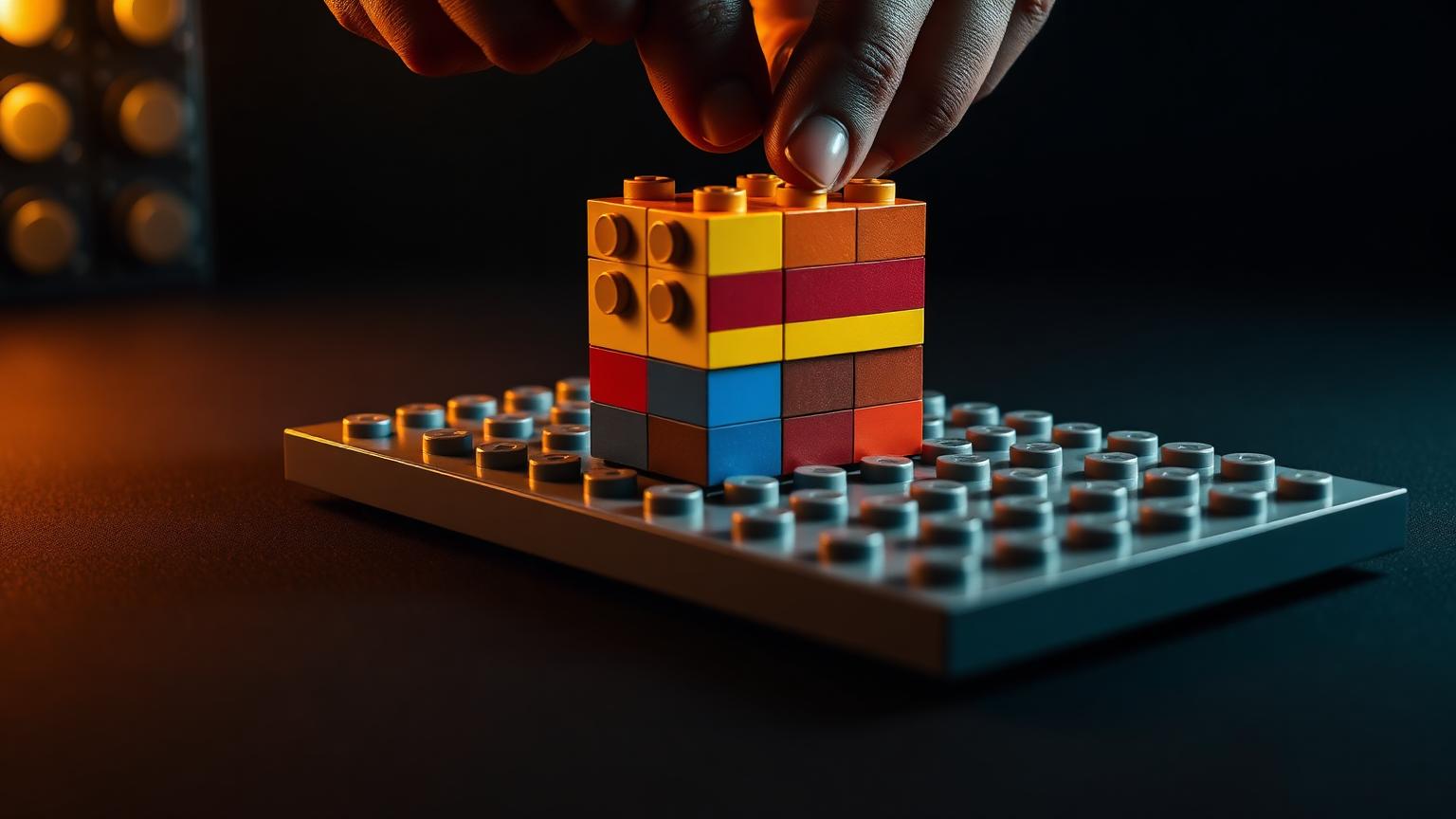
By the end of this guide you will know how to verify that third-party bricks actually fit your existing collection, how to pick base plates that hold your builds steady, and how to get the most value from LEGO-compatible sets — without gambling on a bad purchase.
Compatibility is the single biggest worry for anyone buying outside the official ecosystem. A loose connection ruins a build. A warped base plate wrecks a display. This guide gives you a repeatable testing method, clear selection criteria and troubleshooting steps you can use before and after you buy.
What "Compatible" Actually Means
- Clutch power. How firmly two pieces grip when connected.
- Dimensional accuracy. Whether stud spacing and brick height match the standard system.
- Tolerance. The tiny margin of moulding error that affects fit over hundreds of connections.
A brick can look identical and still fail on clutch power, which is why visual inspection never settles the question. Base plates compatible with LEGO rely on precise 8mm stud spacing and consistent stud height. Get those numbers right and parts lock together as expected.
Materials You Need to Run a Compatibility Test
- A few bricks from your existing trusted collection
- The third-party bricks or set you want to test
- A flat, hard surface and good lighting
- A base plate for the stability test
Step-by-Step: How to Test Brick Compatibility
Step 1: Run the single-stud snap test
Press one third-party brick onto one trusted brick over a single stud. A clean click that resists a gentle pull passes. A piece that slides on or drops off under light pressure fails — stop there and reconsider the purchase.
Step 2: Test the full-footprint connection
Seat a 2x4 brick fully onto a trusted brick, engaging all eight studs. A compatible brick sits flat with no rocking. If a corner lifts, the mould has a dimensional problem that multiplies across a large build.
Step 3: Check the separation force
Pull the pieces apart. Too loose and parts drift in tall builds; too tight and repeated separation cracks stud corners over time. The sweet spot feels balanced and familiar.
Step 4: Test on a base plate
Place bricks on the centre, edges and corners of the plate. If bricks fit in the middle but not at the corners, the plate itself is warped or off-spec.
Step 5: Build a small stress section
Assemble a five-layer wall mixing both brands, then lift and flex it gently. A compatible mix holds as one solid unit. Spongy or shearing layers mean the tolerance gap is too wide for serious building.
How to Choose the Right Base Plates
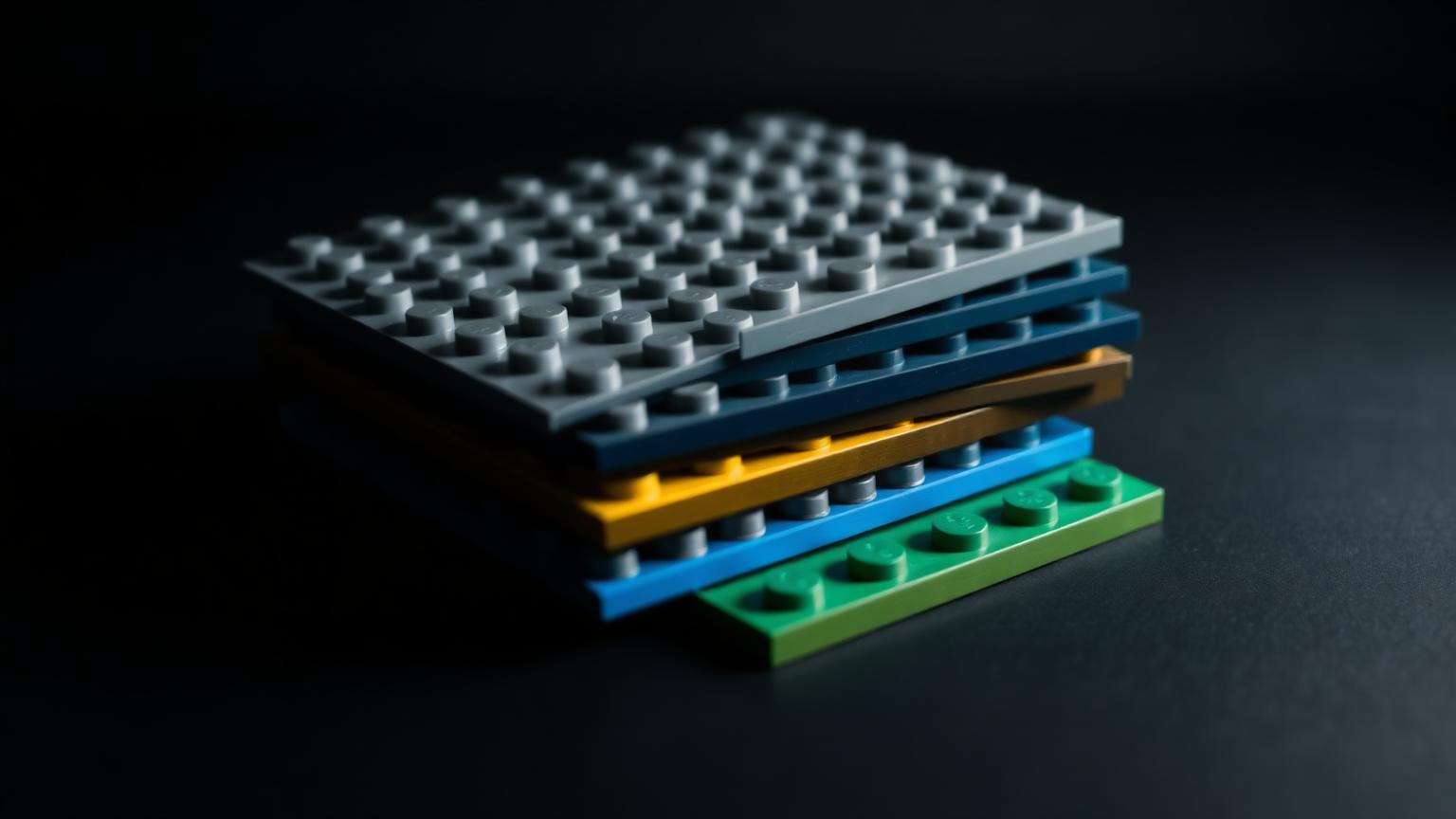
- Match the stud spacing. Standard 8mm centre-to-centre spacing is what prevents drift across a large surface.
- Choose thickness for purpose. Thin flexible plates suit floor layouts; thick rigid plates suit displays you lift and move.
- Check for flatness. A quality plate lies dead flat with no curl at the edges.
- Match colour to your goal. Green for landscapes, grey for urban scenes, blue for water, black or white for clean display staging.
You can compare thickness and finish options across the Morebybourn product collection, and our baseplate and backwards compatibility guide covers plate sizing in more depth.
Clearing Up a Common Search Confusion
If you search lego dimensions xbox 360 backwards compatible, you are looking at the LEGO Dimensions video game and console support — not physical brick fit. Search results mix the two ideas constantly. When evaluating bricks, ignore the gaming results and judge stud spacing, clutch power and tolerance instead. Our game compatibility vs brick compatibility guide untangles the difference.
Getting the Most From Third-Party Compatible Sets
- Mix brands strategically. Structural bricks from whichever brand grips best, specialty and printed pieces for visible detail.
- Evaluate premium technical brands. Builders ask is Nifeliz compatible with LEGO because they want detailed vehicles that connect to existing parts — standard-dimension brands do, but verify with the five-step test rather than the marketing copy.
- Plan for stress points. Reinforce overhangs and towers with your strongest-gripping bricks and anchor tall elements at multiple points.
- Store parts together. Sort by colour then shape, and keep base plates flat or upright to stop warping.
Common Mistakes to Avoid
- Judging by looks alone. Identical appearance means nothing without a clutch test.
- Skipping the flatness check. A warped plate ruins large layouts.
- Confusing gaming with brick compatibility. They are unrelated topics.
- Expecting maximum grip. Bricks that fit too tightly crack over time.
- Buying the whole collection first. Order one small set, test it, then scale up.
Quick Recap
Test clutch power on a single stud, confirm a flat full-footprint fit, check separation force, verify alignment on a base plate and stress-test a small mixed section. Choose base plates by stud spacing, thickness, flatness and colour purpose. Keep console questions separate from physical brick fit, and always verify premium sets with your own hands.
Frequently Asked Questions
How do I know if base plates will work with my existing bricks?
Check the stud spacing first — standard plates use 8mm centre-to-centre spacing, which is what makes base plates compatible with LEGO and other standard systems. Then run a quick physical test: press bricks onto the plate at the centre, edges and corners. If every position holds firmly and sits flat, the plate is a reliable match. Warping or misalignment at the corners signals an off-spec plate to avoid.
Does lego dimensions xbox 360 backwards compatible relate to brick compatibility?
No. That phrase refers to the LEGO Dimensions video game and whether it runs on certain consoles — a gaming and software question, not a physical brick question. When researching whether bricks physically fit together, ignore console results and focus instead on stud spacing, clutch power and moulding tolerance.
Is Nifeliz compatible with LEGO and other standard brands?
Technical brands built to standard dimensions connect through the same stud system, so the answer is generally yes. That said, always verify. When you ask is Nifeliz compatible with LEGO or any premium brand, run the five-step compatibility test on the actual pieces. Price does not guarantee perfect clutch power — your own hands-on check does.
What's the biggest cause of poor brick fit between brands?
Moulding tolerance. Two bricks can share identical dimensions on paper yet grip differently because of tiny variations in how they are moulded. Loose clutch power means parts drift apart in tall builds; overly tight fit stresses studs and cracks corners. The balanced grip you feel between two well-made bricks is the target.
Can I safely mix different brands in one large model?
Yes, as long as each brand passes the clutch and stress tests. Many creators mix brands to expand designs and access unique parts. Use your strongest-gripping bricks at load-bearing joints, reserve specialty pieces for visible detail, and stress-test heavy sub-assemblies before attaching them.
Order LEGO-Compatible Sets from Morebybourn
We sell LEGO alternative sets, compatible bricks and base plates built to the same universal standard. If you would like help choosing plates or verifying a set before you buy, simply contact our customer service team and we will place the order for you.