How to Understand Brick Compatibility: Baseplates, Mixing Sets and Product Lines
Quick Answer
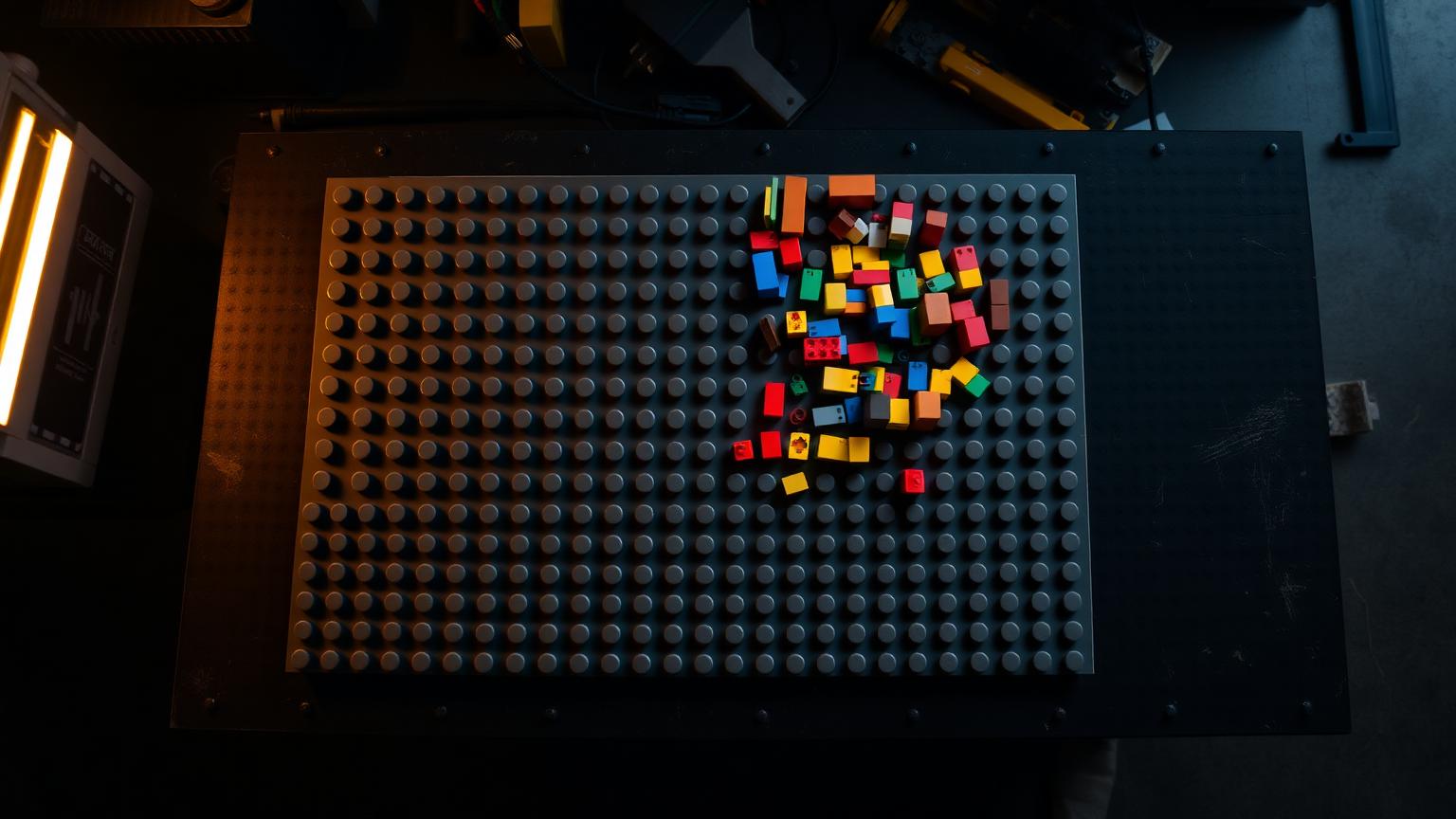
Any baseplate built to the 8 mm stud grid is a true lego compatible baseplate. Bricks are lego backwards compatible because the stud-and-tube system has not changed, and LEGO and LEGO Junior share the same standard, so they mix freely. Duplo is the one exception. Browse verified sets in the Morebybourn catalog.
Mixing bricks from different sets and brands opens up a world of creative freedom — but it can also leave you confused. Which baseplate fits your build? Do older bricks work with newer ones? Can you combine LEGO and LEGO Junior in one project? Here are the answers.
Why Brick Compatibility Matters
Bricks are only as fun as the freedom they give you. Compatibility touches three things you care about: creative range (more compatible pieces means more ways to build), budget (mixing brands and sets stretches your money further) and longevity (a well-chosen collection grows over years, not weeks).
Standard bricks follow a shared measurement system: 8 mm stud spacing centre to centre, with studs about 4.8 mm across. Any brand that respects these numbers plays nicely with the rest — which is why quality third-party bricks, including ours at Morebybourn, snap onto pieces you already own.
Understanding Baseplates: The Ground Beneath Your Build
A lego compatible baseplate uses the same 8 mm stud spacing as standard bricks, so it accepts pieces from most major brands and product lines. Not all baseplates behave the same, though.
- Stud grid: count the studs. A 32×32 plate is the classic size; larger 48×48 plates suit big cityscapes.
- Thickness: thin plates flex and don't take side connections; thicker plates feel more like a proper brick.
- Material: ABS plastic holds studs tight over time — cheaper blends loosen.
Thin plates vs thick plates
A baseplate is usually thin and flexible, meant only to sit at the bottom — you cannot attach bricks to its underside. A thick building plate connects on both faces, so if you plan to stack layers or build a modular scene you can rearrange, thick plates give far more freedom. For large display models, start with a plate slightly larger than your finished footprint so you have room to add scenery later. See also our build space and base plate setup guide.
How Backwards Compatibility Works

One of the quiet joys of this hobby is that bricks age well. A piece from decades ago still clicks onto a piece made today — that is what people mean when they say bricks are lego backwards compatible. The core stud-and-tube system has stayed remarkably consistent, so the bricks in an inherited bin usually work with a brand-new set.
Where compatibility gets tricky
- Specialty pieces: modern sets include unique moulded parts. They still connect through standard studs but serve a single purpose.
- Printed vs sticker details: older sets leaned on stickers — cosmetic, not a fit issue.
- Clutch power: very old or heavily played bricks may hold less tightly. The connection still works, just with a gentler grip.
Are LEGO and LEGO Junior Compatible?
Yes. The short answer to are lego and lego junior compatible is that they use the same brick standard. LEGO Junior sets are designed for younger builders, roughly ages 4 to 7, with larger simpler pieces and easier instructions — but the studs match the classic system, so a Junior brick clicks onto a standard brick without trouble.
- Junior sets: fewer pieces, bigger elements, faster wins for small hands.
- Standard sets: more pieces, finer detail, longer build time.
A note on Duplo
Here is the one exception. Duplo bricks are twice the size of standard bricks, made for toddlers. A Duplo brick will accept a standard brick on top in some cases, but standard bricks will not hold Duplo securely the other way. Treat Duplo as its own system — more detail in our DUPLO base plate guide.
How to Build a Mixed-Set Project
- Sort everything first. Group by colour and size — it saves hours and shows you what you have across every set.
- Pick your foundation. Choose a baseplate large enough for the whole vision, with a little extra border.
- Plan before you click. Decide where the tall sections go and where the detail lives; a unifying theme helps.
- Build in modules. Construct sections separately, then join them on the baseplate.
- Blend the details. Pull unique parts from different themes to create something no single box could produce.
Common Compatibility Problems and How to Fix Them
- Bricks feel loose. Use worn pieces for low-stress spots and save tighter bricks for structural connections.
- A piece won't sit flat. Check for a hidden stud or debris underneath, wipe the surface and try again.
- Colours don't match across brands. Embrace it as character, or order matching bricks to fill the gaps.
- A specialty piece won't connect. Moulded parts often join in only one orientation — rotate and look for the standard stud point.
Tips for Growing a Compatible Collection
Buy a range of basic bricks alongside themed sets — plain bricks and plates are the workhorses of every build. Invest in a couple of solid baseplates early; they form the stage for future projects. Store bricks so you can actually find them, and connect with other builders for fresh ideas. For brand comparisons, read our Cada, Playmobil & Boost compatibility guide.
Frequently Asked Questions
What is a LEGO compatible baseplate, and how do I choose one?
It is a flat foundation built to the standard 8 mm stud grid. Pick one slightly larger than your build footprint, choose thin vs thick based on whether you need both faces, and check for quality ABS.
Are LEGO and LEGO Junior compatible in the same build?
Yes — both use the same brick standard, so studs line up perfectly. Junior pieces are simply larger and simpler for younger builders.
Do old bricks work with new ones?
They do. The stud-and-tube system has stayed consistent, so decades-old bricks click onto brand-new pieces — occasionally with a gentler grip.
Can I mix bricks from different brands safely?
In most cases yes, as long as the brand follows standard stud spacing. Colours may vary slightly between makers.
Is Duplo compatible with standard bricks?
Only partially. Duplo is twice the size; a standard brick can sometimes sit on a Duplo piece, but not securely the other way around.
Order LEGO-Compatible Sets from Morebybourn
We sell LEGO alternative sets and compatible bricks — including baseplates, building plates and display-grade models — with EN71 / ASTM F963 certification and fast warehouse shipping. Contact our customer service team to place an order.