How to Build a LEGO-Compatible Train Layout (With Deadpool Along for the Ride)
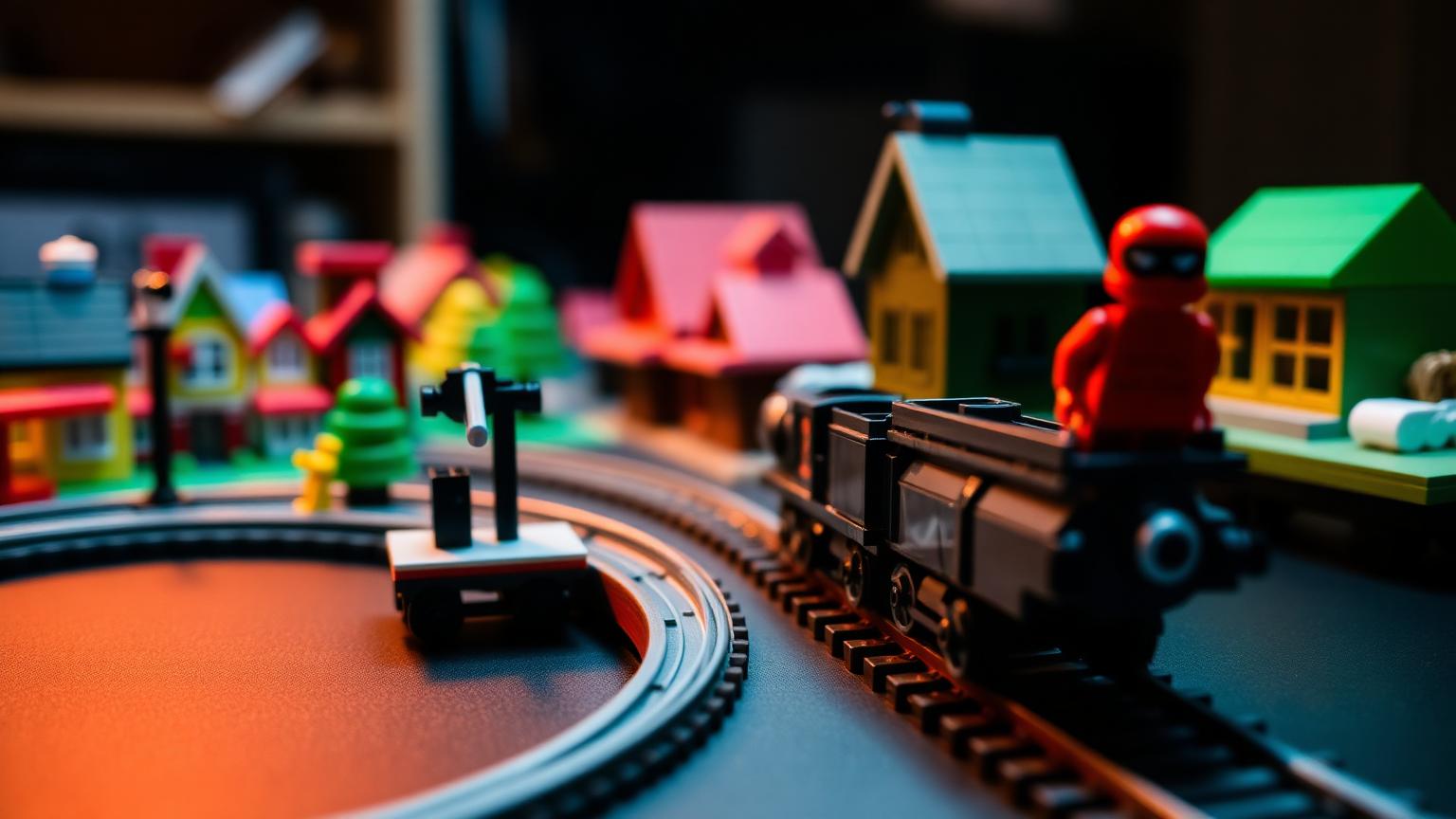
A running train layout is one of the most satisfying builds you can own. It moves, it grows, and it gives your bricks a purpose beyond sitting on a shelf. Add a wisecracking lego compatible Deadpool minifigure as your star passenger, and a quiet miniature town becomes a scene worth photographing.
This guide walks you through planning, laying, powering and expanding a working train layout using alternative bricks — and how to theme your setup so it stands out in any collection.
Why Start With a Train Layout?
Train builds hit a sweet spot. They reward planning like a big architectural set, but they also do something when you are done. For families, a moving train teaches cause and effect, momentum and circuit basics without feeling like a lesson.
Best of all, you are not locked into one brand. Rail compatible LEGO track and rolling stock from alternative makers clutch onto standard bricks and standard track geometry, so you can mix, match and expand freely. If you are new to cross-brand building, start with our guide to mixing blocks from different brands.
Step 1: Plan Your Track Shape and Footprint
Measure your usable surface first. A basic oval loop needs roughly a metre by half a metre to feel uncramped. Then pick a layout style:
- Simple oval or circle — the classic starter loop: reliable, forgiving, easy to power.
- Figure-eight — adds a crossover and longer runs in the same footprint.
- Point-to-point — a straight line with a station at each end for realistic operation.
- Loop with sidings — an oval plus branch tracks for parking extra cars.
Sketch the loop on paper and count curved and straight sections. LEGO compatible train tracks follow standard curve radii, so you can calculate a full circle from the number of curves per quarter-turn — and avoid ending up one segment short.
Step 2: Lay and Connect Your Track

- Work on a flat, stable surface. Warped boards and rugs cause derailments no motor can fix.
- Seat every joint fully. Run a finger along each connection to feel for lips or gaps.
- Hand-test the loop. Push one car slowly around the full circuit and fix any stutter points.
- Anchor permanent layouts to a baseplate so a bumped table cannot scatter your geometry.
Step 3: Power and Run Your Train Smoothly
Fit a standard motor unit and a rechargeable battery hub — most compatible chassis share the same stud spacing, so the parts drop straight in. Start slow: speed is the number one cause of derailments. Keep loads balanced and low so tall cars do not tip on tight curves.
Step 4: Build the World Around Your Track
- Add a station and platform one plate-height below the train doors so figures can board.
- Layer scenery in depth — tall buildings behind, shops and trees mid-ground, figures and lamps up front.
- Build a level crossing with barrier arms and a waiting car for instant realism.
Step 5: Drop In a Deadpool Scene for Personality
A lego compatible Deadpool minifigure is perfect for a themed cameo because the character thrives on breaking the rules. He does not belong on a quiet commuter train — and that is exactly the joke.
- The uninvited passenger. Seat him in a car, feet up, while startled commuters look on.
- The chase. Pose him running along the platform after a departing train.
- The rooftop rider. Perch him on a moving car for a stunt-worthy shot.
- The crossing standoff. Place him mid-track, hand raised to stop the train.
Display and Photography Tips
- Light from the side with one warm lamp angled low for depth and shadow.
- Shoot at track level so your loop reads as a real rail line.
- Control the background with a plain wall or dark cloth.
- Wipe the rails with a dry microfibre cloth before each session.
Expanding Your Layout Over Time
Cut in a switch to create a siding, add a gentle incline for a second level, and build your scenery on separate baseplate modules so sections can be rearranged or transported. Browse motorised sets, track packs and rolling stock in the Morebybourn product collection, or read more technique guides in the Lego Compatible Bricks hub.
Common Mistakes to Avoid
- Running too fast. The single biggest cause of derailments.
- Skipping the hand-test. Always push the train around before powering up.
- Loose track joints. One bad connection ruins the whole loop.
- Overloading curves. Keep weight low and centred.
- Ignoring the surface. A warped base guarantees trouble.
Frequently Asked Questions
Is alternative-brand track really compatible with mainstream brick trains?
In most cases, yes. Quality lego compatible train tracks are engineered to standard curve radii and connector dimensions, so they link cleanly with mainstream track and carry standard rolling stock. Always confirm the curve radius and connector type in the product details before mixing brands, and hand-test a section to check for smooth joints.
Can I use a standard motor and battery hub on an alternative train chassis?
Usually. Rail compatible LEGO motor units and battery hubs are built to standard chassis stud spacing, so they drop into most compatible train bodies without modification. Check that the hub's mounting points and the motor's wheel spacing match your chassis, and pick a rechargeable hub to avoid constant battery changes.
Will a Deadpool minifigure fit on standard train seats and studs?
Yes. A lego compatible Deadpool minifigure uses the same peg-and-clutch dimensions as standard figures, so he sits in train seats, clips onto studs and holds standard accessories. That means you can reposition him anywhere on your layout — in a car, on a rooftop, or blocking the crossing — for endless photo scenes.
My train keeps derailing on the curves. How do I fix it?
Start with speed — slow it down, since fast running is the top cause of curve derailments. Then check for loose or misaligned track joints along the curve, and make sure heavy cars are not tipping. Keep loads low and centered, and confirm your surface is flat. Hand-testing the loop first will reveal most trouble spots.
How do I start small and expand later without rebuilding everything?
Build modular. Start with a simple oval on a baseplate, then design your scenery in separate sections you can rearrange or add to. Later, cut in a switch to create sidings or branches, or add a gentle incline for a second level. Modular construction lets your layout grow piece by piece without tearing down what already works.
Order LEGO-Compatible Sets from Morebybourn
We sell LEGO alternative sets, compatible train tracks, motors and minifigures built to the same universal standard. If you would like help choosing the right parts for your layout, simply contact our customer service team and we will place the order for you.