How to Grow and Organize a Mixed Brick Collection
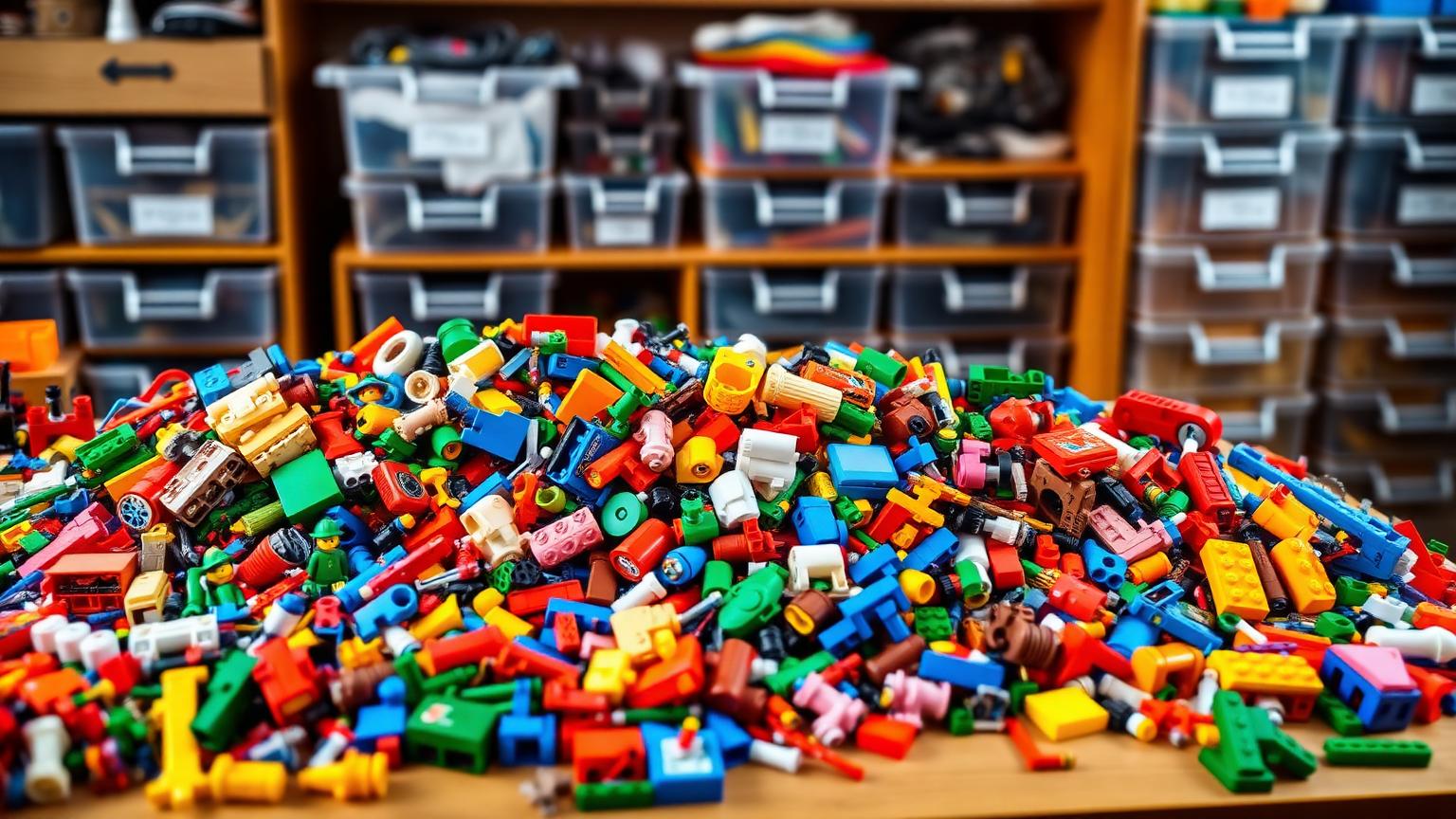
Every serious builder hits the same wall eventually. Your first few sets are fun. Then the pile grows, boxes multiply, and loose pieces spill across the desk until you cannot find the one 1x2 plate you know you own. Worse, you start mixing brands and worry whether they will even click together.
Building a large, flexible collection is not about buying more. It is about buying smart, testing what you add, and storing it so you can actually use it. This guide walks through expanding your parts library strategically, testing lego compatible bricks for true fit, organising thousands of pieces, and using that organised collection to build faster.
Why a Mixed Brick Collection Beats Buying Sets Alone
A boxed set gives you one model. A well-built collection gives you infinite models. The key advantage is combinatorial freedom: a 500-piece box limits you to 500 choices, while a deep sorted supply lets you engineer whatever your imagination demands. This is where quality lego compatible bricks earn their place — they let you top up specific colours, shapes and specialty parts affordably. Start with our guide to the best compatible brands.
Step 1: Define Your Building Direction Before You Buy
Random buying creates clutter, not capability. Ask yourself which themes excite you, what scale you build at, and whether you follow instructions or design your own. Then stock a core parts baseline:
- Core bricks — 1x1, 1x2, 2x2 and 2x4 in your main colours.
- Plates — 1x2, 2x2, 2x4, 4x6 and 6x8 for structure and tie layers.
- Tiles — 1x1 and 1x2 for smooth finishing.
- Slopes — roofs, angles and shaping.
- Brackets and clips — the connections that hold everything together.
Step 2: Test Compatibility Before You Commit
Compatibility comes down to clutch power and dimensional accuracy — roughly 8mm per stud, with tolerances measured in hundredths of a millimetre. Run this check on every new brand:
- The stack test. Does the new brick lock cleanly and release without excessive force?
- The wall test. Build a four-brick-high alternating wall and look for gaps or bowing.
- The colour test. Compare against your existing pieces in daylight to catch batch drift.
- The plate test. Three plates should equal exactly one brick's height.
Quality alternatives use ABS plastic and publish CE, EN71 or ASTM F963 certifications. If a brand hides its specs, treat that as a red flag. For a deeper walkthrough see how to test brick compatibility before you mix brands.
Step 3: Sort by a System That Scales
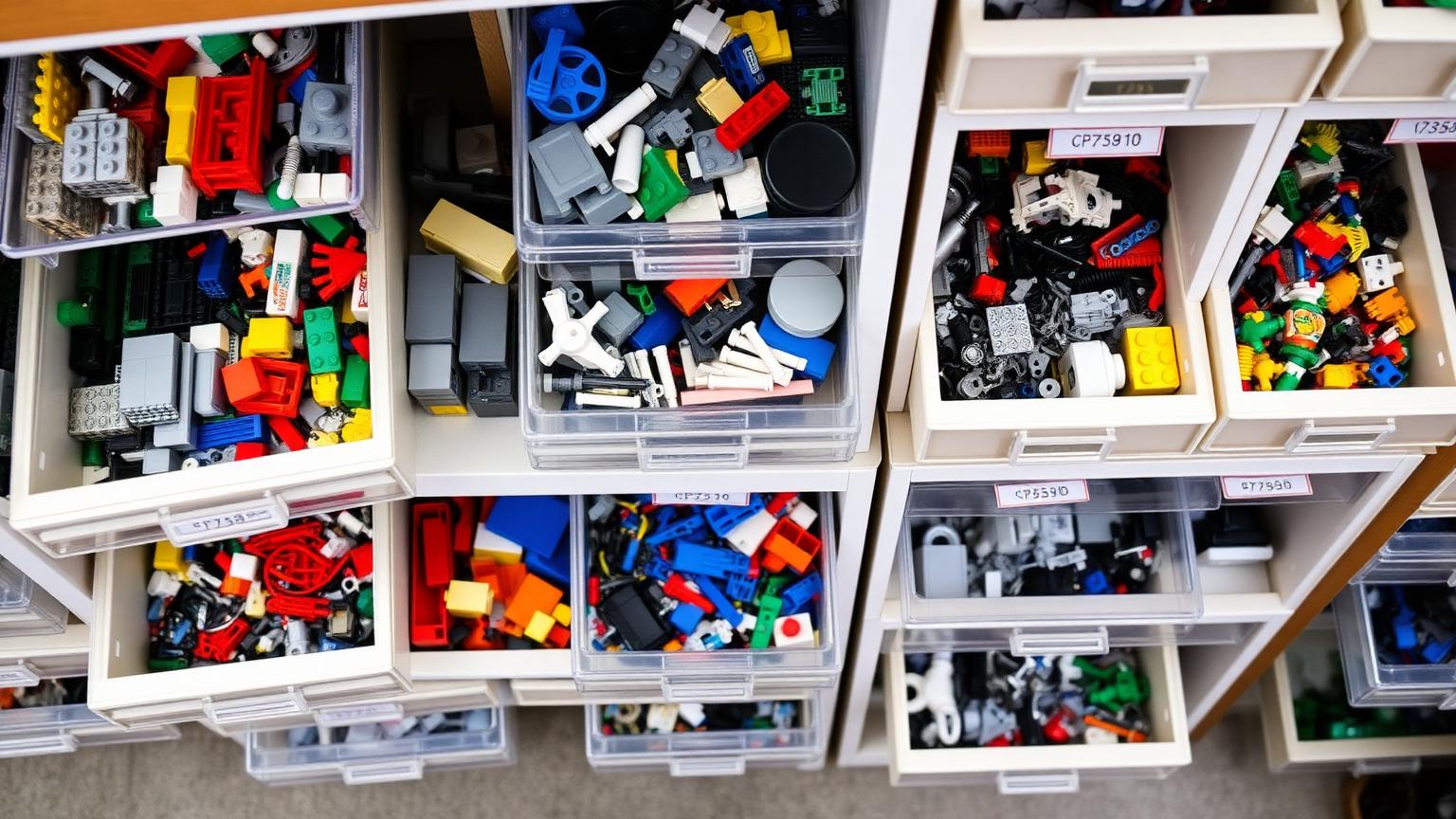
- Sort by colour if you design visually and think in palettes.
- Sort by shape and type if you build technically and follow instructions.
- Hybrid (recommended) — big category bins, size dividers inside, colour separation only for your most-used shades.
- Label everything and keep a separate active build tray so entropy never wins.
Step 4: Grow the Collection Strategically
- Core volume first. Bulk bricks and plates in your main colours — you will never have enough.
- Detail parts second. Tiles, slopes, brackets, clips and arches add realism.
- Specialty last. Printed pieces, transparent elements and gears as projects demand.
- Top up, don't duplicate. Fill gaps from a supplier's product range instead of buying whole sets for a handful of parts.
Step 5: Build Smarter with an Organized Collection
- Prototype in bulk bricks. Get proportions right in cheap parts, then swap in finished colours.
- SNOT. Brackets and headlight bricks let you build sideways for smooth walls.
- Offset layering. Stagger plates like masonry for strength and texture.
- Greebling. Cover surfaces in small mixed details to imply mechanical complexity.
- Keep a technique journal. Photograph clever connections; it becomes your personal playbook.
Common Mistakes to Avoid
- Buying on price alone. Cheap bricks cost more in cracks, weak clutch and faded colour.
- Mixing untested brands into main storage. Once buried in a bin of 3,000, a bad brick ruins builds for years.
- Over-sorting too early. Scale the system to your actual piece count.
- Ignoring connectors and baseplates. The structural parts hold everything up.
- No active-versus-storage separation. Building straight out of main bins guarantees chaos.
Your Quick-Start Checklist
Define your building direction, stock the core parts baseline, run the four-part compatibility test on every new brand, choose a sorting system and label everything, set up an active build tray, expand in layers from volume to detail to specialty, prototype in bulk bricks, and start a technique journal. More organisation ideas live in the Morebybourn article hub and the Lego Compatible Bricks hub.
Frequently Asked Questions
Are lego compatible bricks strong enough for large display models?
Yes, when you choose quality. The best lego compatible bricks are made from ABS plastic and manufactured to tight tolerances, giving them the clutch power needed to hold large, heavy models together. Test before you commit — run a stack-and-wall test, check for consistent colour, and confirm the brand publishes safety certifications like CE, EN71 or ASTM F963.
How do I know if a new brand will fit my existing collection?
Run a quick four-part test. Stack the new brick against a known-good one and check for clean lock and release. Build a short alternating-brand wall and look for gaps or bowing. Compare colours in daylight. Finally stack three of the new brand's plates — three plates should equal exactly one brick's height. If all four checks pass, the parts are safe to mix into main storage.
What's the best way to organize thousands of loose bricks?
For large collections a hybrid system works best: sort into big category bins (bricks, plates, tiles, technic, specialty), use dividers by size within each bin, and separate colours only for your most-used shades. Always label containers, and keep an active build tray apart from main storage so pieces return home after each session.
Should I buy full sets or individual bricks to grow my collection?
Both, strategically. Sets give you a strong starting inventory and instruction practice. Individual bricks let you top up specific colours, shapes and specialty parts without rebuying what you already own. The smartest approach is to use affordable individual pieces to fill gaps rather than purchasing whole kits for a handful of parts.
Can beginners start a mixed collection, or is it only for experts?
Beginners can absolutely start. Begin with a core parts baseline — basic bricks, plates, tiles and slopes in a few main colours — and add complexity as your skills grow. Start small, sort as you go, and expand in layers. A mixed collection grows naturally alongside your building ability.
Order LEGO-Compatible Sets from Morebybourn
We sell LEGO alternative sets and compatible bricks built to the same universal standard. If you would like help picking parts that merge cleanly into your existing collection, simply contact our customer service team and we will place the order for you.