How to Build the Ultimate Mixed Collection Using LEGO Compatible Sets
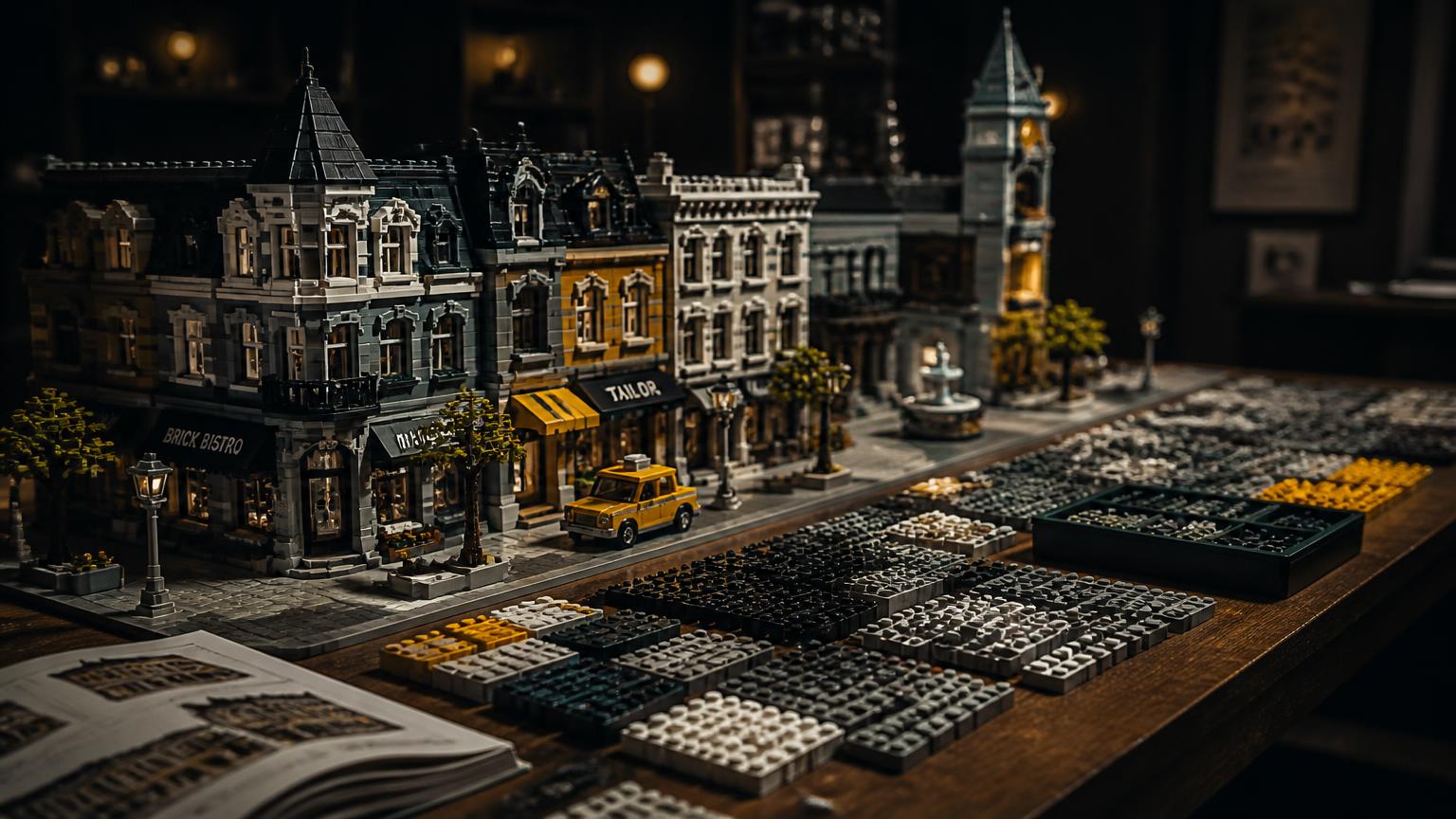
Mixing bricks from different brands is one of the smartest moves a builder can make. It stretches your budget, expands your parts library and opens up creative options a single-brand collection cannot touch. But it takes a plan. Throw random sets together without a strategy and you end up with mismatched colors, awkward pieces and a storage bin full of regret.
This guide shows you how to build a cohesive, expandable collection using lego compatible sets as your foundation — planning a core theme, testing compatibility before you buy in bulk, organizing for fast building and growing over years without wasting money.
Why a Mixed Collection Beats a Single-Brand One
- More parts, more variety. Specialty pieces from different brands multiply your options.
- Better value. Buy the best set for each theme instead of overpaying for one label.
- Bigger builds. Pool parts across sets to create MOCs at real scale.
- Unique themes. Access designs no single catalog offers.
Step 1: Choose Your Collection's Core Theme
A collection with a spine grows into something impressive. Without one, it becomes clutter. Adult hobbyists should pick a theme that rewards depth — modular city streets, mechanical models with working functions, or a landmark series. Families do best with repeatable elements: a space program, a farm, a vehicle fleet. Collectors should focus on a display line with visual consistency, while creators can skip themes entirely and define a parts palette instead.
Write your theme down. Every later step measures new sets against it. For direction on which brands suit which themes, start with our guide to the best LEGO compatible brands.
Step 2: Build Your Compatibility Baseline
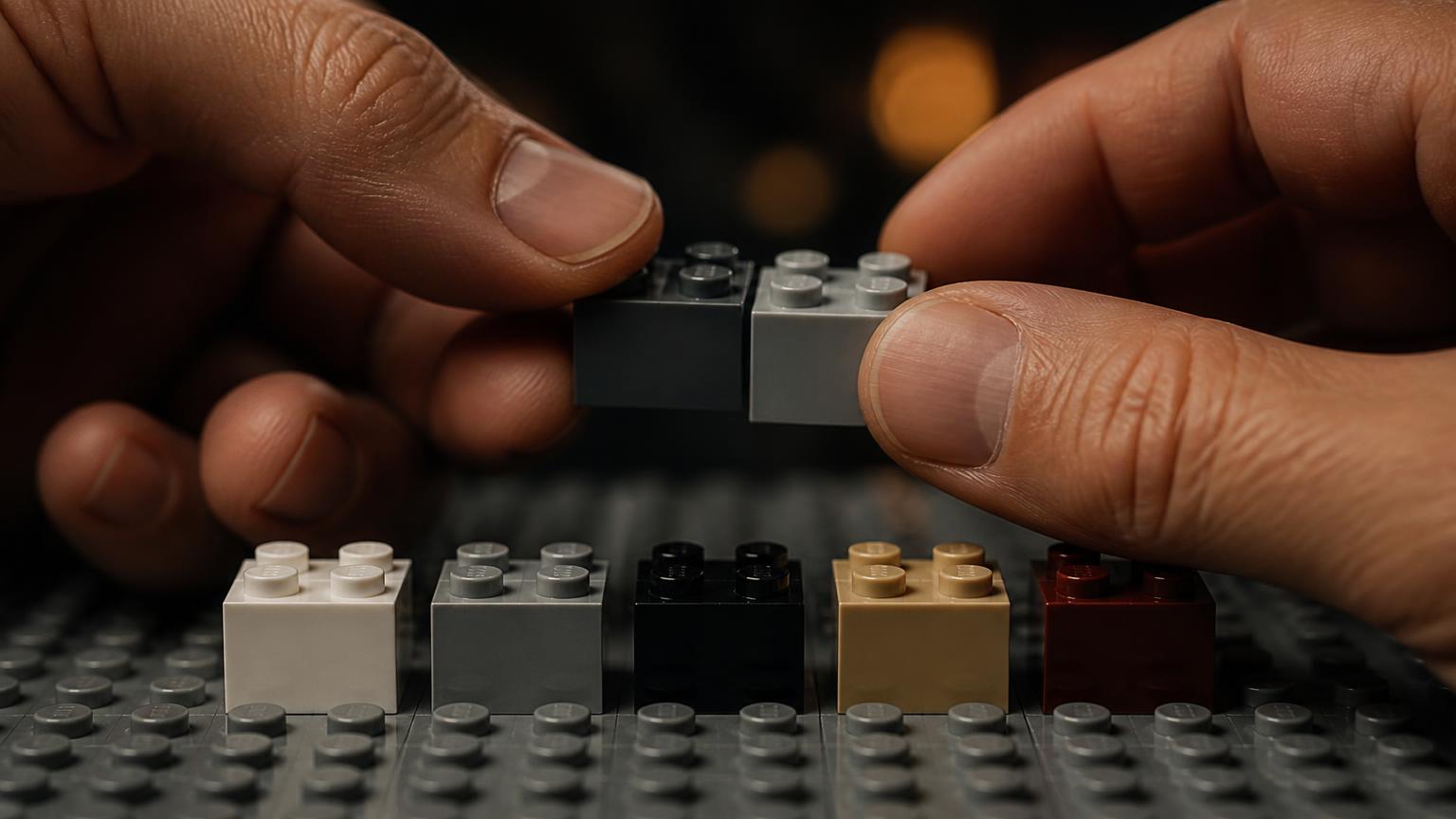
- Clutch check. A new brick should hold firm on your existing plate, then release without a fight.
- Stud alignment. Lay bricks across a full baseplate — studs should line up end to end with no drift.
- Height match. Stack three bricks from each brand side by side; they must reach identical heights.
- Color match. Compare a "red" brick from each brand in natural light to catch batch drift.
Buy one small set from a new brand first, run the four checks, then scale up only once it clears. Our brick mixing guide goes deeper on tolerances.
Step 3: Standardize Your Colors
Pick a core palette of four to six colors — classic grey, dark grey, black, white and one or two accents — and prioritise sets that fit it. Save off-palette colors for interiors and hidden structure. Keep one reference brick of each core color in your bag so you always have an instant standard to check against.
Step 4: Plan Your Parts Library
- Structural bricks and plates. Your bulk building material.
- Specialty pieces. Hinges, brackets, curved slopes, Technic-style connectors.
- Detail elements. Printed tiles, minifigure-scale accessories, plants.
- Baseplates and large panels. The foundation for display scenes — see our base plate guide.
Count unique molded parts, not total piece count. A 1,200-piece set rich in specialty parts often outbuilds a 2,000-piece set of plain bricks.
Step 5: Set Up Smart Storage
Sort by color if you build original designs; sort by piece type if you follow instructions. Whichever you choose, label everything, keep a dedicated specialty drawer, bag partial sub-assemblies and stack shallow rather than deep so small parts never get buried. Our collection organization guide covers scalable sorting tiers.
Step 6: Build Your First Cross-Brand Model
Start with a hybrid build: one main set plus parts pulled from your library. Take a modular building as your base, add a second brand's street accessories, pull baseplates to connect modules and finish with detail tiles from a third source. Build structure first, then layer details, test-fitting cross-brand joints as you go. If two pieces resist joining, swap in a same-brand connector at that junction.
Step 7: Document and Share Your Work
- Photograph finished builds in good light against a clean background.
- Note your parts sources so you can recreate or repair later.
- Post to builder forums and social groups where members trade techniques.
- Join community challenges that push new combinations.
Step 8: Grow Your Collection the Smart Way
- Buy against your theme. If a set does not serve your direction, skip it.
- Prioritise palette matches. Off-color sets create future headaches.
- Chase specialty parts. They unlock builds plain bricks cannot.
- Watch for limited editions. Display value climbs over time.
- Test every new brand small first. Never skip the compatibility check.
Your Mixed-Collection Checklist
| Factor | What to Confirm |
|---|---|
| Theme fit | Serves your collection's direction |
| Compatibility | Passes clutch, stud and height tests |
| Color | Matches your core palette |
| Specialty parts | Adds useful unique pieces |
| Storage | You have room and a sort system |
| Value | Strong cost per useful piece |
Final Thoughts
A great mixed collection is not luck — it is method. Pick a theme, test compatibility, standardize colors, organize your parts and grow with intention. Do that and you will build something that outgrows any single catalog and gives you a parts library ready for anything you dream up.
Frequently Asked Questions
Can I really mix bricks from different brands in one model?
Yes, as long as each brand is built to standard system dimensions. Quality lego compatible sets share the same stud spacing, brick height and clutch design, so pieces connect freely. Always test a small set from any new brand first — check clutch power, stud alignment and brick height — before committing to a large mixed build.
How do I stop my mixed collection from looking mismatched?
Standardize a core palette of four to six colors and buy against it. The most common reason mixed builds look off is color drift between brands, so keep a physical reference brick to compare shades in natural light. Save any off-palette colors for interiors and hidden structure where they will not show.
What's the best way to organize parts from multiple brands?
Choose one system and stay consistent. Sort by color if you build original designs, or sort by piece type if you follow instructions. Label everything, give specialty pieces their own drawer and use shallow bins so small parts do not get buried. Good storage turns every future build into a fast, enjoyable session.
Are mixed collections suitable for kids?
Absolutely. Building across brands teaches planning, spatial reasoning and problem-solving — strong STEM value in a hands-on format. Assign younger builders their own sub-assemblies and choose sets with clear, staged instructions. A shared family collection also grows naturally as children's skills develop over time.
How do I know if a new set is worth buying?
Run it through six quick checks: theme fit, compatibility, color match, specialty part count, storage space and value per useful piece. Count the unique molded pieces rather than just the total, since specialty parts unlock the most creative builds.
Order LEGO-Compatible Sets from Morebybourn
We sell LEGO alternative sets and compatible bricks built to the same universal standard, so every piece clicks exactly as it should. If you would like help choosing sets for your mixed collection, simply contact our customer service team and we will place the order for you.