How to Choose the Right Toy Bricks Brand for Your Needs
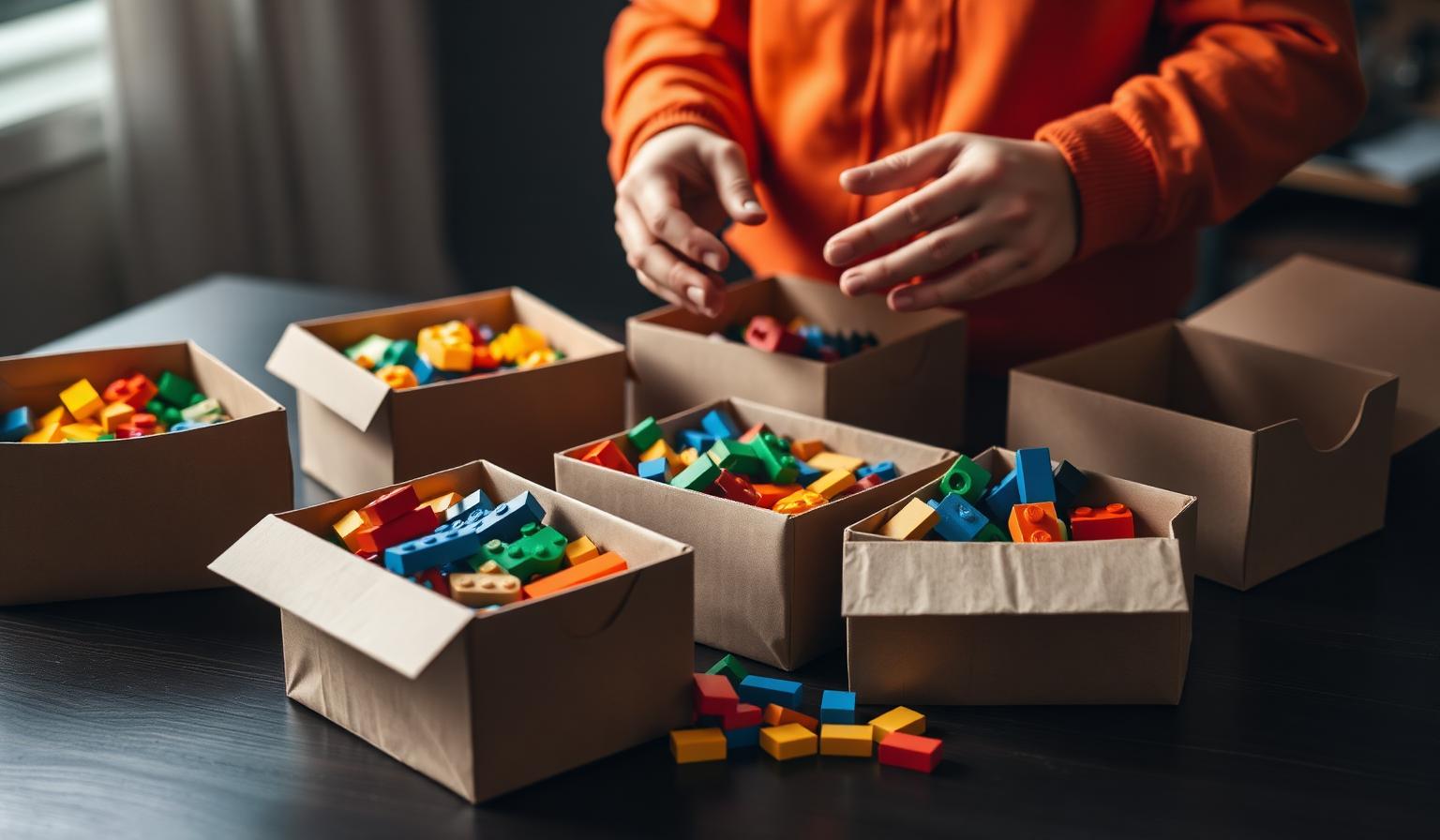
Buying compatible bricks used to be simple. Now you face dozens of options, price points, and quality claims. Some sets feel as solid as the premium originals. Others fall apart the moment you lift a finished model. The gap between a great brick and a bad one is wide — and it directly shapes whether you enjoy building or fight your pieces the whole way through.
This guide gives you a clear, repeatable method for evaluating any toy bricks brand before you spend a cent. You'll learn what actually matters (and what marketing hype to ignore), how to test quality, and how to match a brand to your specific goals — whether you're an adult hobbyist chasing complex builds, a parent hunting for STEM value, or a collector protecting long-term display quality.
- The five factors that separate a good brand from a poor one
- A step-by-step evaluation process you can run in minutes
- How to match a brand to your building goals
- Common buying mistakes and how to dodge them
- A quick decision checklist
Why the Brand You Choose Matters More Than the Set
The set gets your attention. The brand determines your experience.
A poorly made brand fails you in ways you don't notice until it's too late. Weak clutch power means tall builds sag. Off-spec dimensions mean gears jam and walls bow. Inconsistent color means your reds don't match across two boxes. None of that shows in a product photo — but all of it shows up on your table.
Quality compounds over time
Once you commit to a system, you keep buying into it. Every future set, every spare-parts order, every mixed build depends on that brand fitting standards reliably. Choosing well the first time saves you from a drawer full of mismatched pieces later — and makes it far easier to mix bricks into an existing collection.
Your goal defines "good"
A family building casual sets and a collector building a 4,000-piece display model need different things. The right toy bricks brand for one might be wrong for the other. So the real skill isn't finding "the best brand" — it's finding the best brand for you.
The Five Factors That Define a Quality Brand
Before comparing prices, judge every brand against these five factors. Get these right and the rest is detail.
1. Clutch power
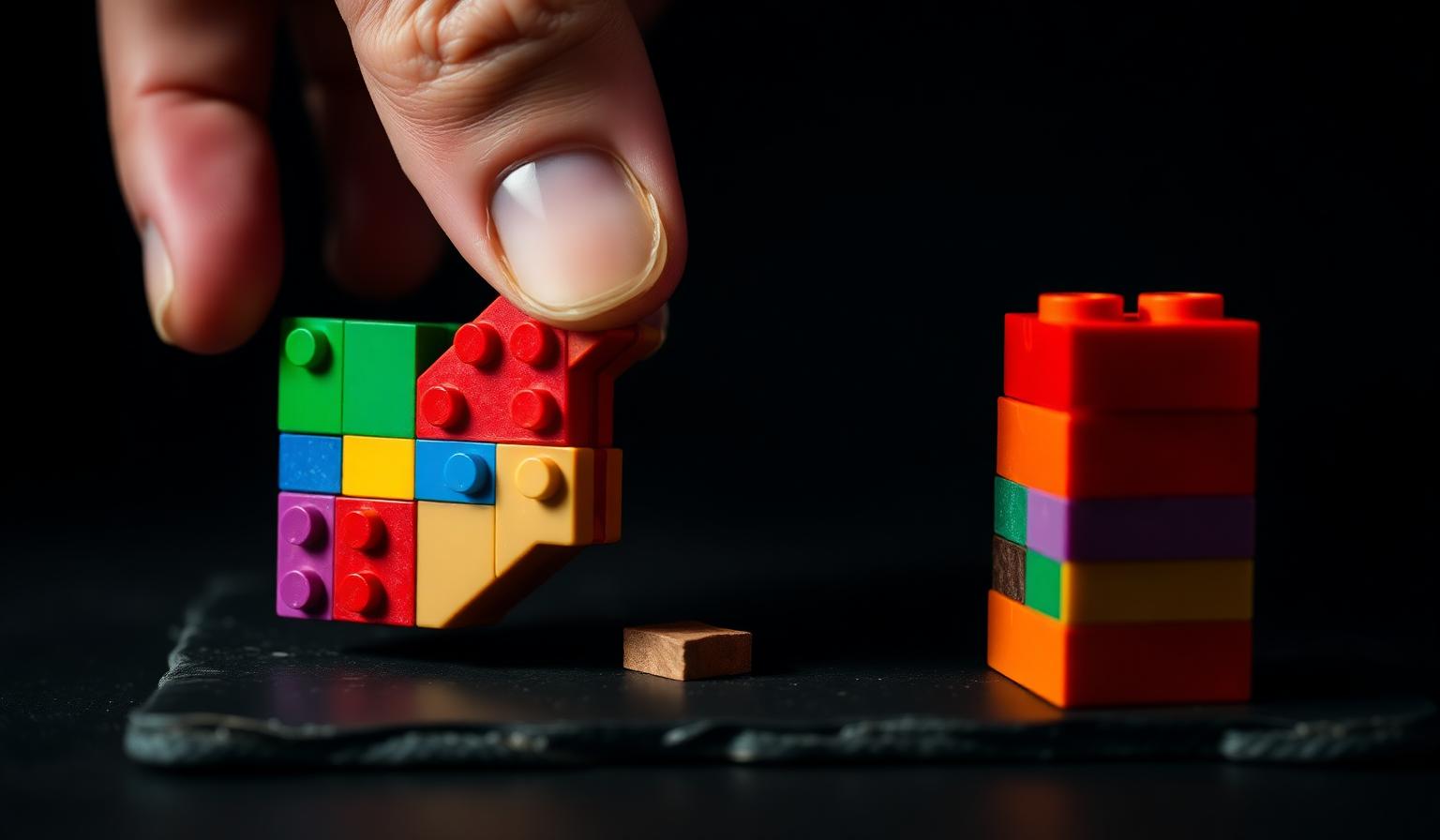
Clutch power is how firmly bricks grip when connected. It's the single most important quality marker. Too loose and your builds collapse. Too tight and you'll struggle to separate pieces (and risk snapping thinner elements). The best brands hit a firm, satisfying "click" that holds under weight but still releases with reasonable effort. For tall or mechanical builds, strong clutch is non-negotiable.
2. Dimensional accuracy
Compatible bricks must match standard measurements precisely. Even a fraction of a millimeter off, multiplied across hundreds of connections, throws a whole build out of alignment. Accurate dimensions mean:
- Pieces from different sets fit together cleanly
- Gears, axles, and technic elements mesh properly
- Large walls stay straight instead of bowing
3. Color consistency
Reds should match reds. Greys should match greys — across every box, every batch, every reorder. Inconsistent color is a common weakness in cheaper brands. It ruins large single-color surfaces and forces you to buy extra just to find matching pieces. For display builders and collectors, consistent color is essential.
4. Material quality
Good bricks use durable, stable plastic (typically ABS or a comparable-grade material). This affects:
- Durability: pieces survive repeated building and rebuilding
- Finish: a clean, even surface without rough edges or flash
- Color stability: resistance to yellowing under light over time
Cheap plastic feels brittle, looks dull, and ages badly. Quality material feels solid and holds up for years.
5. Piece variety and availability
A brand is only as useful as the parts it offers. Look for:
- A wide range of shapes: plates, tiles, slopes, curves, technic beams
- Specialty elements: transparent pieces, printed tiles, minifigure parts
- Reliable restocking so you can finish or expand a build later
A strong parts catalog means you can build almost anything. A thin one boxes in your creativity. Browse a well-organized product range to see what a broad, hobbyist-friendly catalog actually looks like.
Step-by-Step: How to Evaluate a Toy Bricks Brand
Here's a practical process you can run before every major purchase. It takes minutes and saves hours of regret.
Step 1: Define your primary use
Write down your main goal in one sentence. For example:
- "I build large, complex display models."
- "I want STEM sets my kids can build and rebuild."
- "I collect detailed sets to display long-term."
- "I design original creations from loose parts."
Everything else flows from this answer. A toy bricks brand that excels for custom creators might underserve a collector, and vice versa. Our guide to matching alternatives to your builder type walks through this in more detail.
Step 2: Read real builder reviews
Skip the marketing copy. Go straight to reviews written by actual builders. Look specifically for comments on:
- Clutch power ("do pieces hold?")
- Fit with standard systems
- Color matching across sets
- Long-term durability
Community feedback surfaces the truth faster than any product description. If you want a system for filtering signal from noise, see how to use customer reviews to buy smarter.
Step 3: Run a small test order
Before committing to a big, expensive set, order something small from the brand. Then test it yourself:
- Snap test: connect and separate pieces repeatedly. The grip should stay firm.
- Stack test: build a small tower and lift it. Does it hold or sag?
- Mix test: combine the pieces with bricks you already own. Do they fit cleanly?
- Color test: compare pieces from different areas of the set. Do the colors match?
Five minutes of hands-on testing tells you more than an hour of reading.
Step 4: Check support and documentation
A serious brand backs its products. Look for:
- Clear, well-illustrated instructions
- A way to request replacement pieces
- Responsive customer help
Missing pieces and build questions happen to everyone. A brand with real customer support turns a potential headache into a quick fix — which matters a lot when you're deep into a big build.
Step 5: Compare value, not just price
Cheapest rarely means best value. Calculate cost per piece, then weigh it against quality. A slightly higher price for reliable clutch power and accurate dimensions almost always pays off. A bargain box that won't hold together is money wasted.
How to Match a Brand to Your Building Goals
Different builders need different strengths. Use these profiles to guide your choice.
For adult hobbyists building complex models
Prioritize clutch power, dimensional accuracy, and technic-style parts. You're building large and detailed, so structural reliability matters most. Look for brands with deep parts catalogs so you never stall mid-project waiting on a shape you can't find.
For families and STEM learning
Prioritize durability, safety, and simplicity. Kids build, break, and rebuild constantly, so pieces need to survive rough handling. Clear instructions support independent building and problem-solving — the heart of STEM play. Bright, consistent colors keep younger builders engaged.
For collectors
Prioritize color consistency, material quality, and finish. Your builds are display pieces, so surface quality and color stability decide how good they look on a shelf for years. Choose brands known for clean, premium-feeling parts that resist yellowing.
For custom creators and designers
Prioritize piece variety and availability above all. You're not following instructions — you're inventing. The widest possible palette of shapes, colors, and specialty elements fuels original work. Reliable restocking lets you scale an idea without hitting a dead end.
Common Buying Mistakes and How to Avoid Them
- Buying on price alone. The cheapest option often has the weakest clutch and least consistent color. A reliable brand at a fair price beats a bargain brand that disappoints every build.
- Ignoring compatibility. Not every "compatible" brick fits well. Off-spec dimensions cause jams and gaps. Verify real-world fit before you invest in a large set.
- Trusting marketing over reviews. Product pages say everything is premium. Independent builder reviews tell you what's actually true.
- Overlooking piece variety. If the brand's wider catalog is thin, you'll struggle to expand or customize later.
- Forgetting about support. Missing or damaged pieces are inevitable. Confirm a replacement process exists before you buy.
Quick Decision Checklist
Run through this before any major purchase:
- Clutch power — do pieces grip firmly and hold under weight?
- Dimensional accuracy — do parts fit standard systems cleanly?
- Color consistency — do colors match across sets and batches?
- Material quality — is the plastic durable with a clean finish?
- Piece variety — does the catalog cover the shapes you need?
- Availability — can you reorder and expand later?
- Reviews — do real builders rate it well?
- Support — is there a replacement and help process?
- Value — is the cost fair for the quality delivered?
- Fit for your goal — does it match your specific use case?
Score a brand across all ten. A strong performer clears most of them comfortably.
Making Your Final Choice
Choosing well comes down to a simple truth: the best toy bricks brand is the one that matches your goals and delivers consistent quality you can trust build after build. Nail clutch power, dimensional accuracy, color consistency, material quality, and piece variety, then confirm real reviews and solid support back it up.
Start with your goal. Read what real builders say. Run a small test order. Then commit with confidence, knowing every future set will fit, hold, and last. To see how these standards translate into a real catalog built for European and American builders, explore the Morebybourn range and match a system to your next project. Your next great build deserves bricks that hold up.
Frequently Asked Questions
What makes one toy bricks brand better than another?
Quality comes down to five core factors: clutch power (how firmly pieces grip), dimensional accuracy (how precisely they match standards), color consistency across batches, material durability, and piece variety. A brand that delivers all five gives you reliable, enjoyable builds. Price matters too, but only as value measured against these quality markers — not on its own.
Are compatible bricks as good as premium originals?
Quality compatible brands can match premium originals closely, offering strong clutch power and accurate dimensions at a lower price. The difference lies entirely in the maker. A well-produced brand feels just as solid and fits standard systems seamlessly, while a poorly made one feels loose and inconsistent. Always test fit and clutch before committing to a large set.
How do I test a brand before buying an expensive set?
Place a small test order first. Then run four quick checks: snap pieces together and apart repeatedly (clutch test), build and lift a small tower (stability test), combine the pieces with bricks you already own (compatibility test), and compare colors across the set (consistency test). Five minutes of hands-on testing reveals far more than any product description.
Which brand is best for kids and STEM learning?
For families, prioritize durability, safety, and clear instructions over piece count or complexity. Kids build and rebuild constantly, so pieces need to survive rough handling and hold together reliably. Bright, consistent colors and step-by-step guides support independent problem-solving — the foundation of STEM play. A durable, well-documented brand keeps building fun and educational.
Can I mix bricks from different brands?
Yes, as long as both brands are built to standard dimensions with good clutch power. Quality compatible bricks share the same shapes and sizes, so they connect cleanly regardless of origin. Problems only arise when a brand runs off-spec, causing loose fits or gaps. When in doubt, test a few pieces together before mixing them into a major build.
Order LEGO-Compatible Sets from Morebybourn
We sell LEGO alternative sets and compatible bricks that clear every quality factor in this guide — firm clutch power, accurate dimensions, consistent colors and durable ABS at a fair price. If you would like help choosing the right brand or set for your goals, simply contact our customer service team and we will place the order for you.