How to Use Toy Bricks Puzzles to Build Sharper Minds and Bigger Ideas
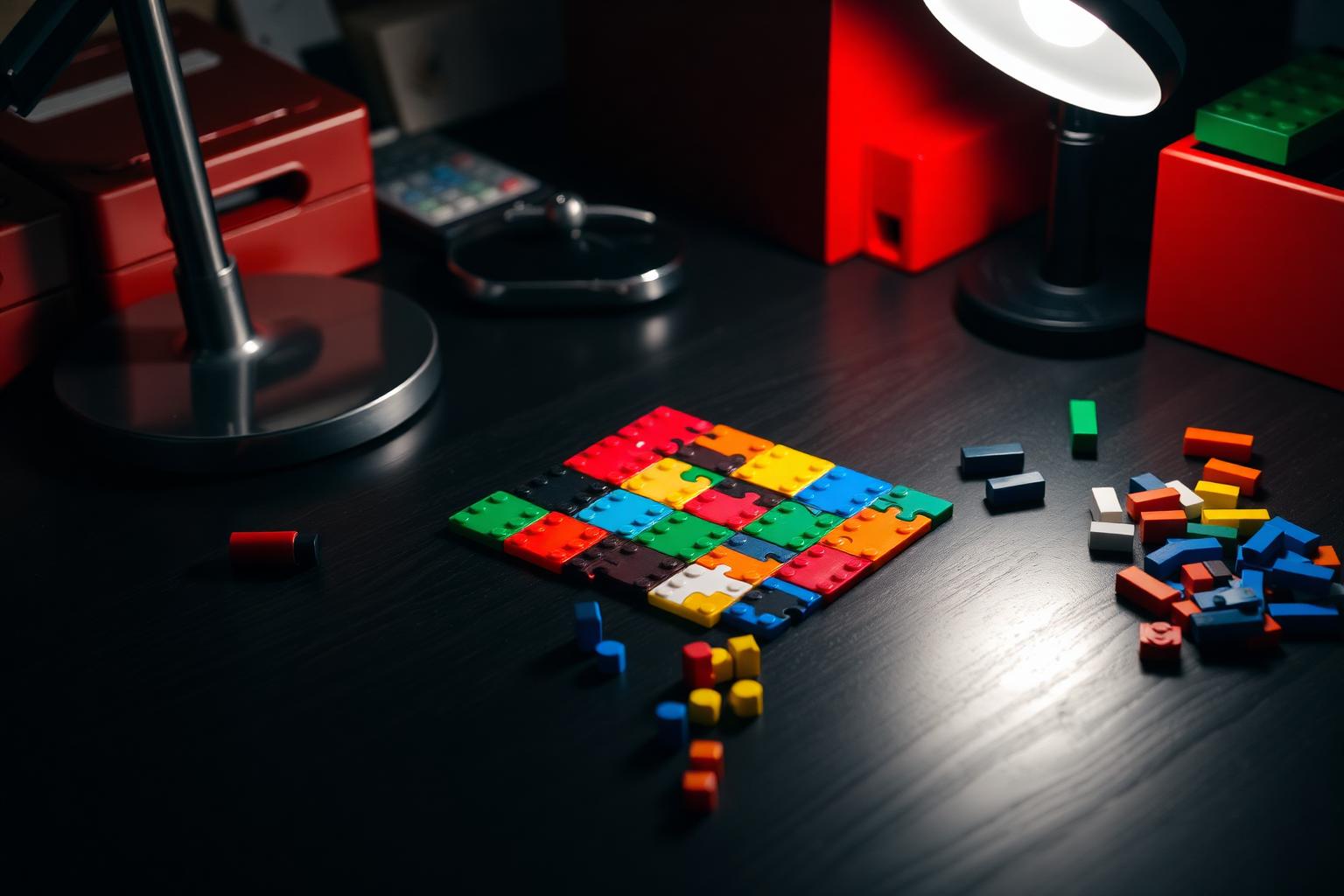
There's a quiet superpower hiding in a pile of plastic bricks. Snap two pieces together the wrong way, and nothing works. Snap them together the right way, and a whole structure comes alive. That single moment — testing, failing, adjusting, succeeding — is the engine behind every great problem-solver.
A toy bricks puzzle turns that engine into a workout for your brain. It blends the open-ended fun of building with the focused challenge of solving. And the best part? It works for a curious six-year-old and a seasoned engineer alike.
This guide is for builders who want more than a finished model. You'll learn how to pick the right puzzle for your skill level, set up a space that sharpens focus, apply proven solving strategies, and tailor the whole experience for different ages.
Why Brick Puzzles Beat Ordinary Building
Standard building follows a booklet. Step one, step two, done. That's relaxing — and valuable — but it asks little of your reasoning.
A puzzle flips the script. Instead of following instructions, you solve toward a goal. Fit these pieces into this shape. Balance this structure without it toppling. Recreate this pattern using fewer bricks. Suddenly your brain has to plan, test, and adapt.
- Problem-solving. Every puzzle is a series of small decisions with real consequences.
- Spatial reasoning. You learn to rotate shapes in your mind and predict how pieces fit.
- Creativity. Open-ended challenges reward original solutions, not memorized steps.
- Patience and focus. Progress comes from calm, deliberate thinking — not speed.
Best of all, these skills transfer. The kid who learns to break a tricky build into steps carries that habit into math class. The adult who solves a bracing challenge sharpens the same reasoning they use at work.
Step 1: Choose the Right Puzzle for Your Skill Level
The wrong puzzle kills the fun fast. Too easy, and you're bored. Too hard, and you're frustrated. The sweet spot sits just past your comfort zone.
Match the challenge type to your goal
- Shape-fit puzzles — arrange a set of pieces to fill a defined outline. Great for spatial reasoning.
- Pattern-copy puzzles — recreate a target design from a reference image. Perfect for observation and planning.
- Constraint builds — solve a challenge using limited pieces or a set piece count. These push creativity hard.
- Mechanism puzzles — build something that moves, balances, or holds weight. Ideal for engineering-minded builders.
Read the difficulty signals
Before committing, check the piece count, the number of possible solutions, and the recommended age. A puzzle with one correct answer is stricter than one with many. Genuine builder feedback tells you far more than any label. Browse the Morebybourn product range to compare puzzle types and difficulty tiers side by side.
- Challenge style matches your target skill
- Difficulty sits just above your comfort level
- Piece count fits your available time
- Quality bricks with tight clutch power (loose pieces ruin any puzzle)
Step 2: Set Up a Space That Sharpens Focus
Your environment shapes how well you think. A cluttered, dim table drains focus before you place a single brick. A little prep changes everything.
Get your surface and light right. Use a large, flat, well-lit surface. A daylight-balanced lamp keeps colors accurate and cuts eye strain. A light-colored tray or cloth makes small pieces pop.
Sort before you solve. Sort pieces by color, size, or shape. This single habit slashes solving time and keeps frustration low. Our guide to organizing and sorting your toy bricks shows a system that scales with any collection.
Remove distractions. A brick puzzle rewards deep focus. Silence the phone, clear unrelated clutter, and solutions arrive faster.
Step 3: Apply Proven Solving Strategies
Anyone can guess randomly. Great solvers use methods. Teach these strategies — to yourself or your kids — and watch problem-solving accelerate.
- Start with the edges and anchors. Lock down the base, frame, or fixed anchor first. They give you a stable reference for everything that follows.
- Break the big problem into small ones. Solve one corner, then the next, then connect them. This chunking habit is the most transferable skill a puzzle teaches.
- Test, observe, adjust. Place a piece, step back, and see what it tells you. Solving is a loop: try, observe, adjust, repeat.
- Think in rotations. When a piece won't fit, mentally rotate it before physically trying every angle.
- Know when to reset. Recognize a dead end and calmly disassemble a section rather than forcing pieces. A clean reset is a smart move, not a defeat.
Naming the pieces as you go makes every strategy faster. If "1x2 jumper plate" still sounds like a foreign phrase, start with our guide to decoding toy brick names.
Step 4: Tailor the Experience by Age and Skill
Ages 5–8: Play with purpose
Keep it simple, colorful, and forgiving. Use larger pieces and shape-fit puzzles with clear outlines. Celebrate every small win. The goal is confidence and basic spatial awareness. For age-matched sets, see our guide to choosing toy bricks for kids by age.
Ages 9–14: Introduce real challenge
Now you can add constraints and multi-step puzzles. Pattern-copy challenges build observation. Simple mechanism puzzles introduce cause and effect. This is prime STEM territory.
Teens and adults: Push the limits
Reach for high-piece-count constraint builds, balance challenges, and mechanism puzzles with working parts. Adults often find these deeply relaxing — a screen-free way to unwind that still engages the mind.
Collectors and creators: Design your own
The most advanced move? Create puzzles for others. Set a goal, limit the pieces, and challenge the community to solve it. Designing a toy bricks puzzle demands mastery of every skill above.
Step 5: Turn Solving Into a Shared Adventure
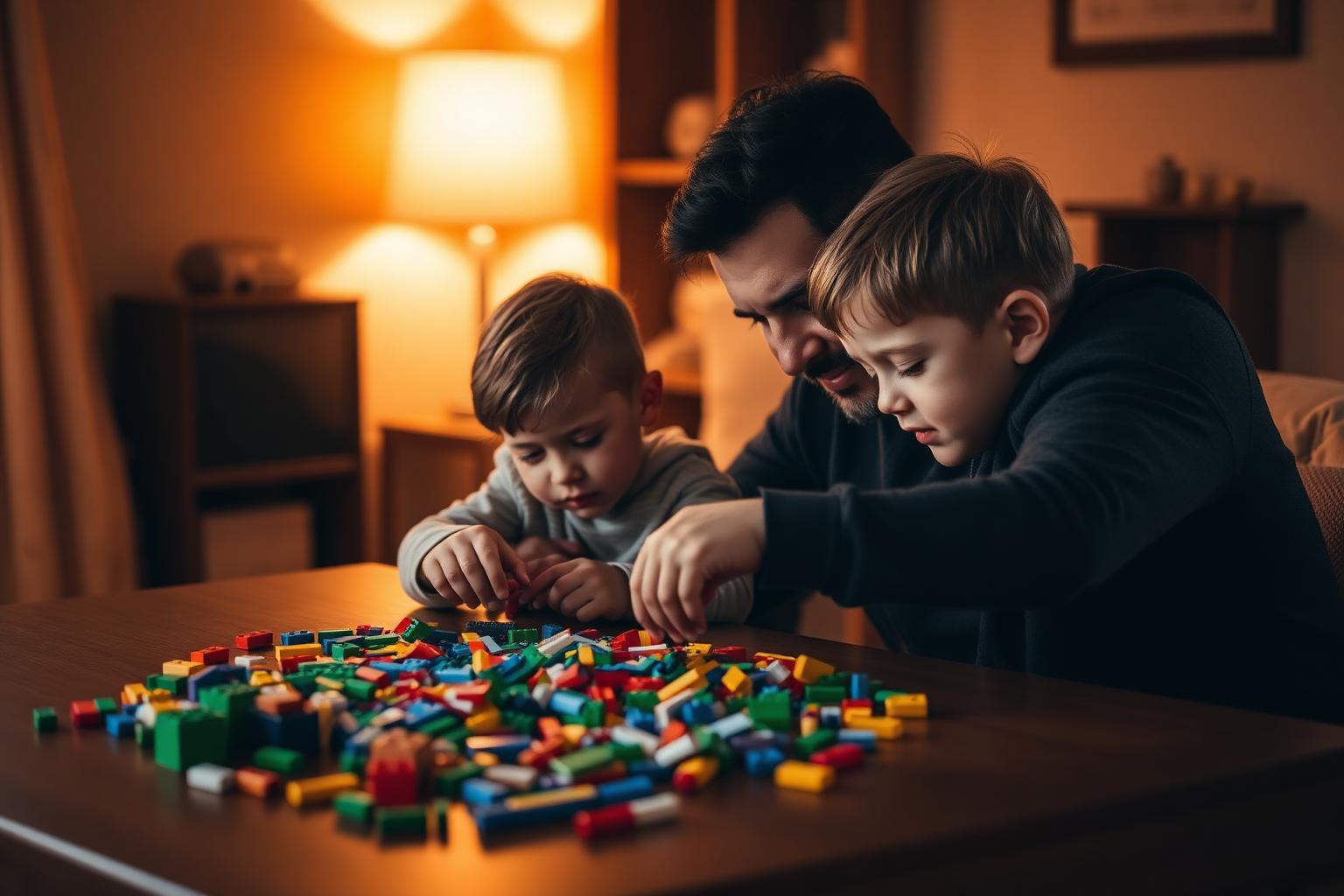
Make it a family activity. Solve as a team. Kids learn from watching adults reason out loud; adults learn patience from a child's fresh perspective.
Run friendly challenges. Set the same puzzle for two people and compare different solutions afterward. There's rarely just one right answer, and that's the point.
Share and get inspired. Post your solutions and swap strategies with fellow builders. To learn more about the philosophy behind these builds, explore the story behind Morebybourn.
Common Mistakes to Avoid
- Skipping the sort. It feels like a delay but saves far more time than it costs.
- Forcing pieces. If a brick won't fit, you've missed something — forcing it damages parts and confidence.
- Rushing to the answer. Speed isn't the goal. Thoughtful solving builds the skills that matter.
- Choosing the wrong difficulty. Too easy bores; too hard defeats. Aim just past comfort.
- Solving in silence with kids. Reasoning out loud is where the real teaching happens.
- Treating mistakes as failure. Every wrong move is information.
Bringing It All Together
A great brick puzzle isn't just entertainment. It's a workout for the mind disguised as play. Choose a challenge that stretches you, set up a focused space, apply real solving strategies, and scale the difficulty to fit any age.
The habits a toy bricks puzzle builds — breaking big problems into small ones, testing calmly, thinking in three dimensions — reach far beyond the table. Start small: pick one puzzle, sort your pieces, and solve your first challenge tonight.
Frequently Asked Questions
What age is a toy bricks puzzle suitable for?
Brick puzzles work for a huge age range — roughly 5 to 55 and beyond. The key is matching difficulty to the builder. Younger children (5–8) do best with large pieces and simple shape-fit challenges that build confidence. Kids 9–14 thrive on constraint and pattern-copy puzzles that stretch their reasoning. Teens, adults, and collectors enjoy high-piece-count and mechanism puzzles that offer a genuine mental challenge. Choose a puzzle that sits just past the solver's comfort level for the best results.
How do brick puzzles actually improve problem-solving skills?
They force active decision-making. Instead of following instructions, you work toward a goal by testing pieces, observing results, and adjusting your approach. This loop trains you to break big problems into smaller steps, think in rotations, and treat mistakes as useful data rather than failures. Those exact habits transfer directly to math, engineering, design, and everyday challenges — which is why educators value hands-on building for STEM development.
Are LEGO-alternative bricks good enough for puzzle solving?
Absolutely, when they're made well. Quality alternative bricks use durable, non-toxic ABS plastic and precise molding, so they grip firmly and separate cleanly. That tight clutch power matters enormously for puzzles — loose or warped pieces ruin the experience and make balancing challenges impossible. Always check builder reviews for clutch power and color consistency before buying. Well-made alternatives also connect with bricks you already own, so you can expand your puzzle collection freely.
How do I make brick puzzles more challenging as skills grow?
Add constraints. Limit the number of pieces, set a target piece count, or require a specific shape or function. Move from single-solution puzzles to open-ended ones with many possible answers. Introduce mechanism challenges where the build must move, balance, or hold weight. The ultimate step is designing your own puzzles for others to solve — that demands mastery of every skill and keeps the hobby fresh for advanced builders.
Can families solve brick puzzles together?
Yes, and it's one of the best uses of a toy bricks puzzle. Set a challenge on the table and solve it as a team, with adults reasoning out loud so kids learn the thinking process. Try friendly races, then compare different solutions afterward — seeing multiple approaches accelerates learning for everyone. It's screen-free, genuinely relaxing, and builds problem-solving skills while strengthening family bonds. If you need guidance getting started, the Morebybourn customer service team offers tips for builders of every level.
Order LEGO-Compatible Sets from Morebybourn
We sell LEGO alternative sets and compatible bricks ideal for puzzle challenges at every difficulty level. If you would like help choosing a set, simply contact our customer service team and we will place the order for you.