How Do You Choose the Right Construction Sets for Kids?
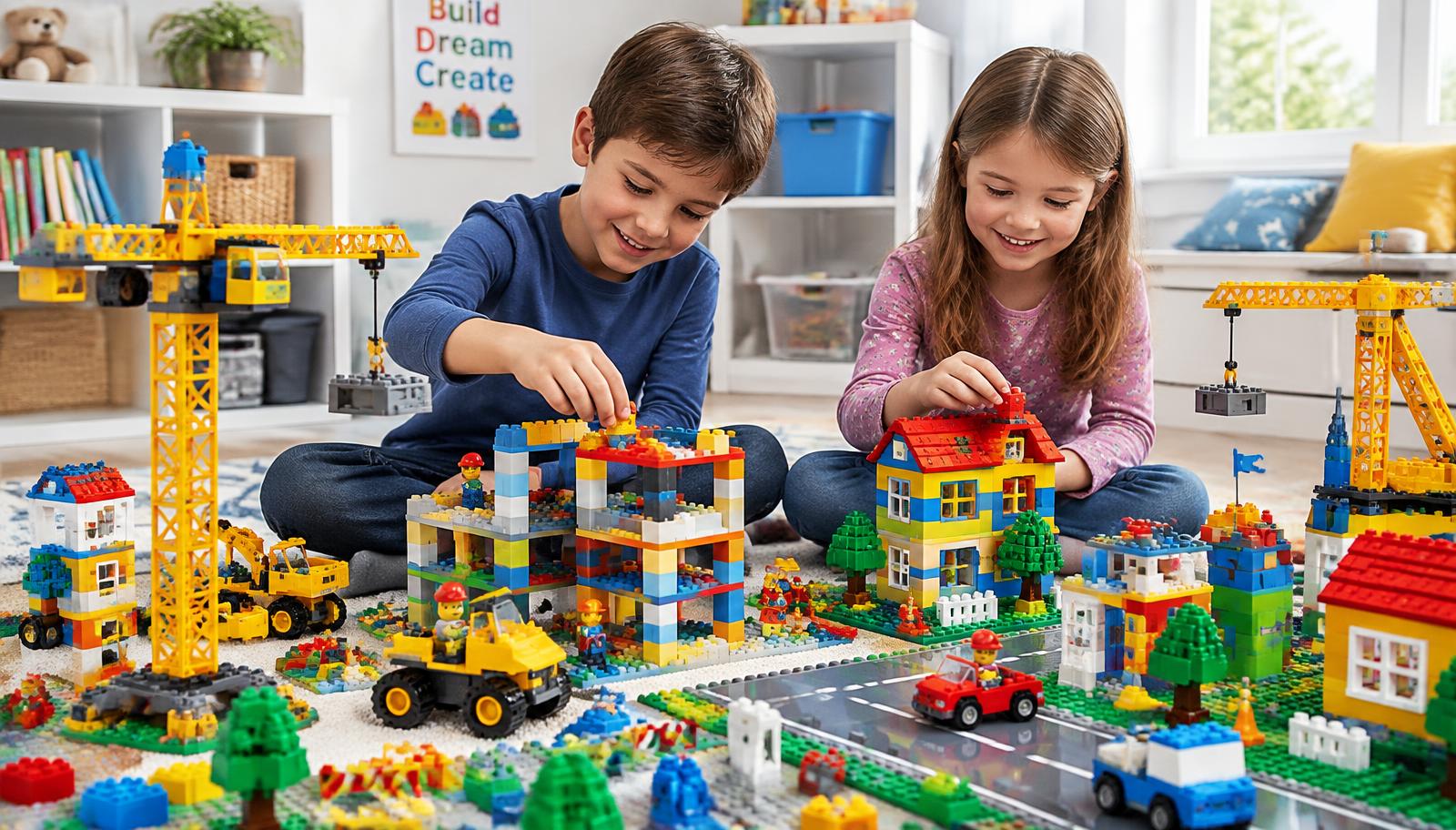
TL;DR: Choosing construction sets for kids starts with matching age, piece size, and safety certification (EN71 or ASTM F963) to your child's stage. Add a mix of block sets for kids across themes, keep pieces sorted and visible, and let kids build independently. Morebybourn offers LEGO-compatible sets that make this easier on a family budget.
Building with blocks is one of the simplest joys of childhood. A pile of bricks on the floor, a few hours of quiet focus, and a small city or spaceship appears. For parents, that scene is worth protecting. It teaches patience, spatial thinking, and problem-solving in a way that no app can replace.
We know choosing the right construction sets for kids can feel overwhelming. Walk into any toy aisle, and you'll find dozens of brands, piece counts, and age ranges competing for attention. Some sets look impressive but gather dust after a week. Others become a child's favorite toy for years.
This guide walks you through how to choose sets your child will actually use, how to set up a play space that invites building, and how to keep the fun going as your child grows. We'll also share why many families are turning to LEGO-compatible brands like Morebybourn to stretch their toy budget further, without giving up quality or compatibility.
Why Do Building Toys Matter for Kids?
Building toys do more than fill an afternoon. They give kids a hands-on way to practice skills that matter well beyond playtime.
Fine motor skills develop as small hands pick up, twist, and press pieces together. Spatial reasoning grows as children picture how a flat instruction sheet becomes a 3D model. Patience builds, step by step, as a 200-piece set takes an hour instead of five minutes.
For families focused on STEM learning, building sets offer a low-pressure way to practice engineering concepts. A child stacking bricks to build a stable tower is learning about balance and structure, even if they couldn't explain it that way. For creative kids, open-ended sets become a canvas. A box of block sets for kids can turn into a spaceship one day and a castle the next.
And for many families, building together is simply good time spent. It's a shared activity that doesn't require a screen, and it gives parents a natural way to connect with their kids over something they're both genuinely interested in.
How Do You Choose the Right Construction Sets for Kids?
Not every set is built the same, and not every set suits every child. Here's what to look at before you buy.
What Age Range Should You Shop For?
Age recommendations on packaging exist for good reason. They account for piece size, choking hazards, and the complexity a child can realistically handle.
- Ages 3–5: Look for oversized bricks, simple shapes, and sets with fewer than 50 pieces.
- Ages 6–9: Kids at this age can usually manage 100–300 pieces, especially with vehicle, animal, or city themes.
- Ages 10+: Older kids and tweens can take on 500+ piece sets, including Technic-style builds with moving parts.
If your child is between ranges, lean toward the simpler set. A model that's too hard leads to frustration, not fun.
How Do You Check Safety Standards for Block Sets?
Safety certification matters more than branding. Look for:
- EN71 certification for sets sold in Europe
- ASTM F963 certification for sets sold in the United States
Both standards test for toxic substances, choking hazards, and mechanical durability. Reputable building toy brands use ABS plastic that's BPA-free and phthalate-free, the same material used in premium bricks. Always check the packaging before buying for a child under 8, regardless of which brand you choose.
Should You Match the Set to Your Child's Interests?
A set your child will actually finish is better than one that impresses you in the store. If your child loves space, start there. If they're obsessed with cars, pick a vehicle set. Interest keeps kids engaged through the trickier parts of a build.
How Do You Choose the Right Block Sets for Kids?
Once you've narrowed down age and theme, a few more factors separate a good set from a great one.
How Much Does Piece Count and Complexity Matter?
Piece count is a rough guide to how long a build will take and how advanced it is. A 100-piece set might take 20 minutes. A 1,000-piece set could take days, spread across several sessions.
Match complexity to your child's attention span, not just their age. Some 7-year-olds happily tackle 500-piece builds. Others do better with shorter, simpler sets they can finish in one sitting.
Why Does Compatibility and Expandability Matter?
Here's something many parents don't think about until later: can this set connect with sets your child already owns? Sets that are fully compatible with major building brick brands let kids combine collections instead of keeping them separate. That compatibility turns a single purchase into an ever-growing collection, which matters more as your child's interest deepens.
Is It Worth Paying for Brand-Name Sets, or Are Alternatives Just as Good?
This is where many families start asking questions. Premium branded sets are well made, but they come at a premium price. LEGO-compatible alternatives, built to the same stud tolerance and using the same grade of ABS plastic, can offer the same building experience for 40–70% less.
Choose a brand-name set if you want access to officially licensed characters or franchises your child specifically asks for. Choose a compatible alternative if you want more bricks, more sets, and more building time for the same budget. For many families, that trade-off is an easy one. Explore building block collections at Morebybourn to see the range available, from architecture to space-themed builds.
How Do You Set Up and Organize a Building Play Space?
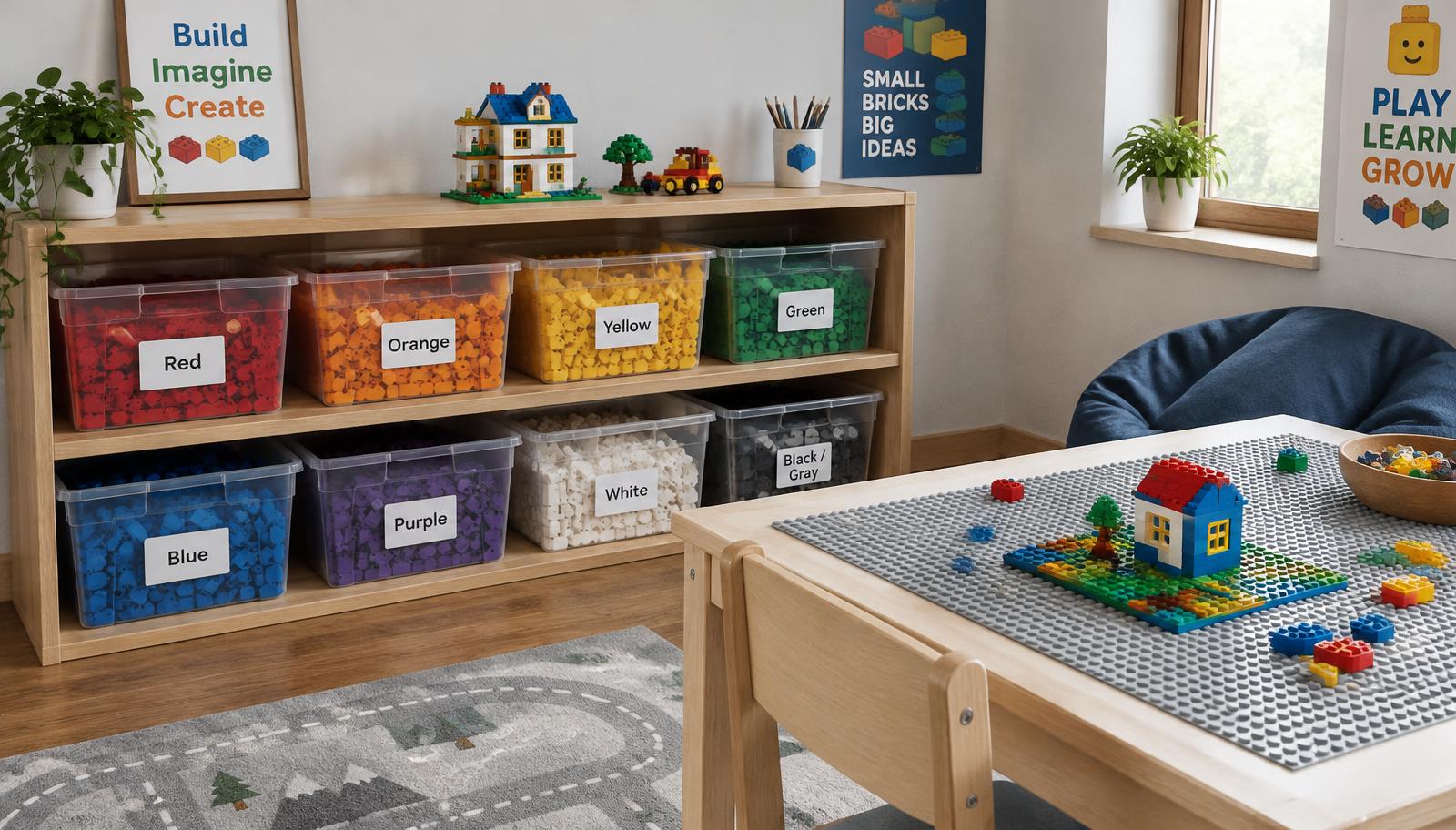
A dedicated space makes building easier to start and easier to finish. Here's how to set one up, step by step.
- Pick a flat, low-traffic surface. A table, a rug, or a dedicated building mat all work. Avoid high-traffic hallways where pieces get stepped on.
- Sort pieces by type or color. Small labeled bins or drawers help kids find what they need without dumping the whole box out each time.
- Keep instructions within reach. A clipboard or a simple folder keeps instruction booklets from getting lost or torn.
- Add good lighting. Natural light or a desk lamp helps kids spot small pieces and color differences.
- Leave finished builds on display, at least for a while. Seeing a completed model boosts motivation to start the next one.
A little organization goes a long way toward making building toys an easy choice on a rainy afternoon, rather than a frustrating mess to clean up.
How Can You Make Playtime More Educational with Construction Sets?
Building toys are naturally educational, but a few small habits can deepen the learning.
- Ask questions while they build. "Why do you think that piece goes there?" encourages reasoning, not just assembly.
- Introduce basic engineering ideas. Talk about balance, symmetry, and weight distribution in simple terms as your child builds.
- Mix free-build time with instruction-following. Following instructions builds patience and reading comprehension. Free building builds creativity and problem-solving.
- Connect builds to other subjects. A city set can lead to a conversation about architecture or city planning. A space set can open the door to astronomy.
None of this needs to feel like a lesson. The learning happens naturally when kids are engaged and having fun.
What Are the Best Tips for Getting Kids to Build Independently?
Many parents want their child to build without constant help, especially for older kids working toward STEM skills on their own. A few things help:
- Start with sets slightly below their skill level. Early wins build confidence for harder builds later.
- Resist the urge to step in too quickly. Let kids struggle a little before offering help. That struggle is where learning happens.
- Praise the process, not just the finished model. Acknowledge persistence, not only the end result.
- Rotate themes regularly. New interests keep independent building fresh instead of repetitive.
Over time, most kids move from needing step-by-step guidance to confidently working through instructions on their own, often faster than their parents expect.
Why Is Morebybourn a Smart LEGO Alternative?
We started Morebybourn because we believe every family should have access to quality building bricks without the premium price tag. Our sets are made from high-grade ABS plastic, built to the same stud tolerance as official bricks, so they connect seamlessly with your existing collection.
We work with trusted manufacturers to bring you sets across architecture, vehicles, space, and city themes, with new collections added regularly. Every set ships with English instructions, and our team is available if you ever run into a question along the way.
We hope you and your family find sets you genuinely love in our store. Browse construction sets for kids at Morebybourn and see the range for yourself, from beginner-friendly builds to large display models for older kids and collectors alike.
How Do You Maintain and Store Block Sets for Kids?
A little care keeps building sets in good shape for years, especially if you plan to pass them down or rebuild them later.
- Clean gently. Wipe bricks with a damp cloth. Avoid soaking pieces with stickers, as water can loosen the adhesive.
- Store loose pieces in labeled bins. Sorting by color or type makes future rebuilds much faster.
- Keep finished models out of direct sunlight. UV exposure can cause ABS plastic to yellow over time.
- Use clear display cases for special builds. A simple acrylic case protects a finished model from dust while still letting your child show it off.
- Save original instructions. Digital copies are often available on the brand's website, but a physical copy is handy for quick reference.
If you're building out a growing collection, Morebybourn's catalog includes sets across a wide range of themes, which makes it easier to keep a child's interests fresh without starting from scratch each time.
How Do You Grow with Your Child's Building Journey?
What works for a 5-year-old won't hold a 10-year-old's attention, and that's a good thing. As your child grows, their building sets should grow with them.
Start with simple, oversized bricks for toddlers. Move into themed sets with moderate piece counts for early elementary years. By the tween years, many kids are ready for sets with 500 or more pieces, moving parts, and more advanced techniques.
Pay attention to what keeps your child engaged, not just what the age range on the box suggests. Some kids move through stages quickly. Others take their time, and that's perfectly fine too. The goal isn't to rush toward bigger, more complex builds. It's to keep building a source of genuine enjoyment at every stage.
Building a Lasting Habit, One Brick at a Time
Choosing the right construction sets for kids isn't about finding the single "best" set. It's about matching the right set to your child's age, interests, and stage of development, then giving them a space and the independence to build. Add quality, compatible block sets for kids to the mix, and you've got a hobby that can grow with your family for years.
We hope this guide makes that choice a little easier. And if you're looking for sets that combine quality with a fair price, we'd love for you to take a look at what we've built at Morebybourn~
Frequently Asked Questions
Are LEGO-compatible building sets safe for kids?
Yes, as long as they carry proper certification. Look for EN71 certification in Europe or ASTM F963 certification in the United States. Both standards test for toxic substances and mechanical safety. Always follow the recommended age range, especially for sets with small pieces.
What age is best to start with construction sets for kids?
Most children can start with oversized block sets around age 3. Standard-size bricks with smaller pieces are generally recommended from age 6 and up, depending on your child's fine motor development.
Are LEGO alternative brands actually compatible with official bricks?
Premium alternative brands manufacture bricks to the same stud tolerance as official bricks, so they connect without issue. The main difference is price, with many alternatives offering savings of 40–70% while using similar quality ABS plastic.
How many pieces should a first construction set have?
For a first set, fewer than 100 pieces is a good starting point for younger children. This keeps the build short enough to finish in one sitting, which helps build confidence before moving to larger sets.
How do I keep my child interested in building over time?
Rotate themes to match changing interests, mix guided builds with free play, and let your child build independently once they're ready. Display finished models to keep motivation high for the next build.
Keep Exploring
Read our How to Choose and Use Brick Sets for Kids (A Parent's Guide), the plastic building bricks guide and the classic interlocking bricks guide, or browse more Best Lego Alternatives articles.
Order LEGO Alternatives From Morebybourn
We sell LEGO alternative sets and compatible bricks for kids, families, and collectors. Browse our available sets, contact our customer service team, or message us on WhatsApp for personal recommendations and help placing your order.
Order LEGO-Compatible Sets from Morebybourn
We sell LEGO alternative sets and compatible bricks for families, hobbyists, and collectors. Contact our customer service team for personal recommendations and help placing your order.