How to Choose and Use Brick Sets for Kids (A Parent's Guide)
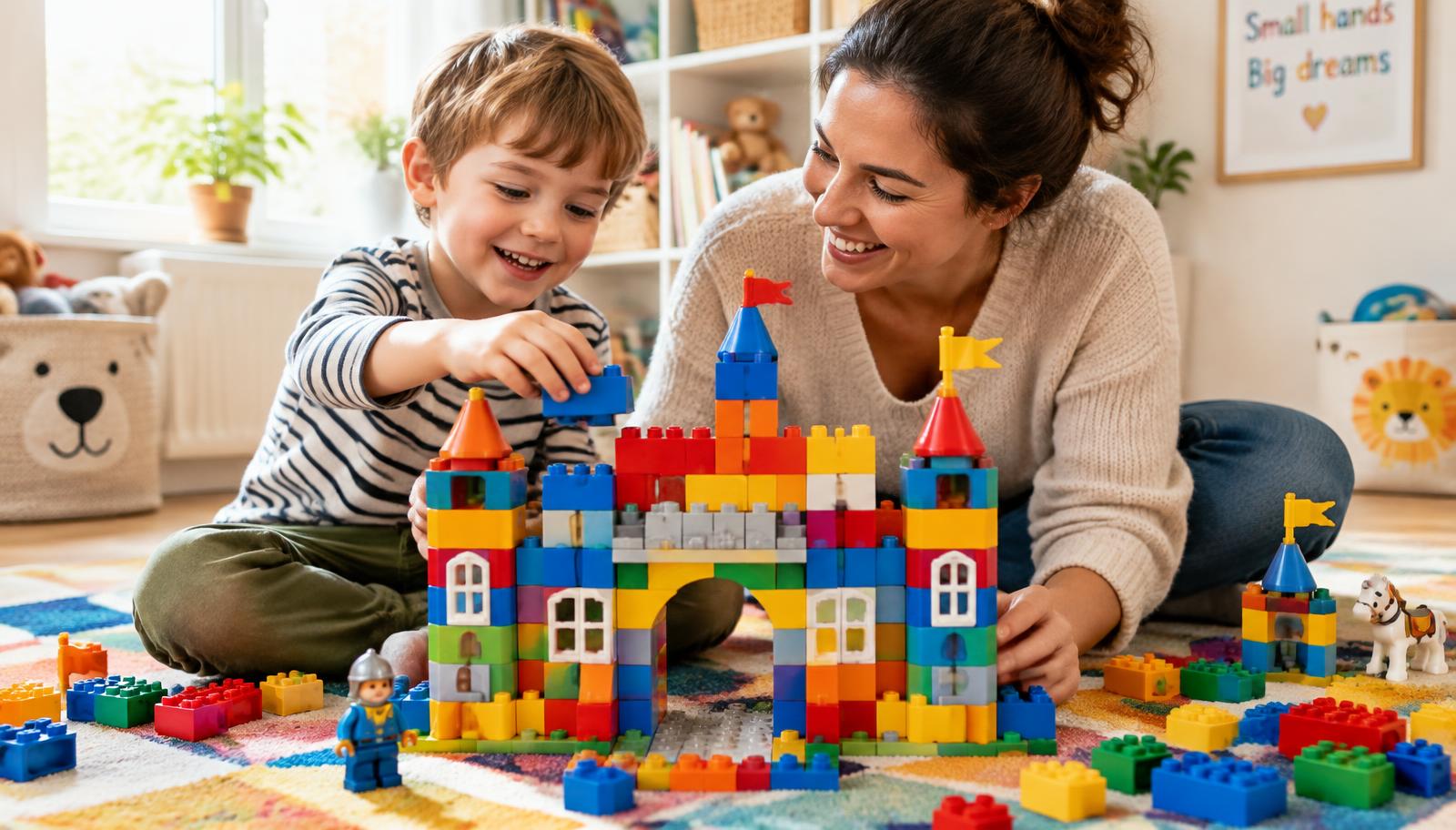
Quick answer: The best brick sets for kids match their age, skill level, and interests. Start with large, chunky pieces for younger builders and complex multi-step kits for older ones. Build together, follow instructions as a team, and store pieces so your child can return to them again and again. Compatible alternative brands like Morebybourn offer the same play value at a lower price.
Building with bricks is one of the simplest joys you can give a child. A pile of colorful pieces turns into a spaceship, a castle, or a city street in an afternoon. We've watched kids light up when a model finally clicks together, and we think every family deserves that moment without spending a fortune to get there.
This guide walks you through choosing the right brick sets for kids, getting the most out of them at home, and starting your first build together. We'll also share some honest thoughts on why a LEGO-compatible brand like Morebybourn might be worth a look.
Why Brick Sets Matter for Kids' Development
Brick play isn't just a way to pass an afternoon. It teaches real skills, quietly, while your child is having fun.
Fine motor skills. Pressing small pieces together, twisting them apart, and lining up studs builds hand strength and coordination. This matters most for younger children still developing grip control.
Problem-solving. Every build presents a small puzzle. Which piece goes where? What happens if two colors don't match the instructions? Kids learn to troubleshoot without even realizing it.
Spatial reasoning. Following a 3D diagram and turning it into a physical object strengthens the kind of thinking that later supports math and engineering. This is part of why brick play sits so comfortably inside STEM learning goals.
Patience and focus. Larger sets ask kids to stick with a task across multiple sittings. That's a skill that carries over into schoolwork and other hobbies.
Creative confidence. Once your child finishes a set, many will start remixing pieces into their own designs. That's the moment building stops being a kit and starts being a craft.
None of this requires fancy branding or an expensive box. It just requires good pieces, clear instructions, and a bit of time together.
How to Choose the Right Brick Set for Your Child
Picking from shelves full of brick sets for kids can feel overwhelming. A few simple questions make it easier.
What age is the set actually built for?
Age ranges on the box are a starting point, not a rule. A confident 5-year-old might handle a set labeled for 6+. A child who's new to building might do better starting below their age. Watch piece size first: toddlers and preschoolers need large, chunky bricks that are easy to grip and impossible to swallow. Kids 6 and up can usually handle smaller standard bricks and simple mechanisms.
How many pieces should the set have?
- Under 100 pieces: good for first-time builders or kids under 6
- 100–500 pieces: solid for ages 6–10, enough challenge without frustration
- 500+ pieces: better suited to ages 10 and up, or younger kids building alongside a parent
What theme will actually hold their interest?
A beautifully designed castle set won't get touched if your child only cares about race cars. Ask what they already love — dinosaurs, space, animals, vehicles — and start there. You can browse themed sets by category to find something that matches their current obsession rather than guessing.
Does it work with bricks you already own?
If your family already has a bin of bricks at home, look for sets that are stud-compatible with major brands. That way, new sets expand what your child can build instead of becoming a separate, isolated pile. Look for ABS plastic construction and a stated safety certification, such as ASTM F963 in the US or EN71 in Europe, especially for younger children.
What's your budget, and does it need to stretch?
Official branded sets can get expensive fast, especially once your child wants to collect more than one. Compatible alternative brands typically run 40–70% less for comparable piece counts and build complexity, which makes it easier to say yes more often.
How to Get the Most Out of Brick Sets at Home
Buying the set is only step one. A little bit of setup makes the difference between a toy that gets played with for years and one that ends up forgotten in a closet.
Give building a home. A dedicated table, mat, or tray keeps pieces contained and makes cleanup less of a battle. It also signals to your child that building is a real activity worth protecting, not something to be swept up at the end of every day.
Sort pieces by type or color. Small plastic drawers or labeled containers help kids find what they need without dumping an entire bin on the floor. This is especially useful once your family starts accumulating multiple sets.
Keep instructions somewhere safe. Whether it's the printed booklet or a saved digital copy, having instructions on hand means your child can rebuild a set after it's taken apart, instead of losing interest because they can't remember how it went together.
Display finished builds. A shelf, windowsill, or dedicated corner gives kids a reason to feel proud of what they've made. For kids who finish a lot of builds, rotating displayed models keeps the collection feeling fresh without needing more shelf space.
Protect against sunlight. ABS plastic can yellow with prolonged sun exposure. Keeping finished models out of direct sunlight preserves their color for years.
Step-by-Step Guide: Starting Your First Build
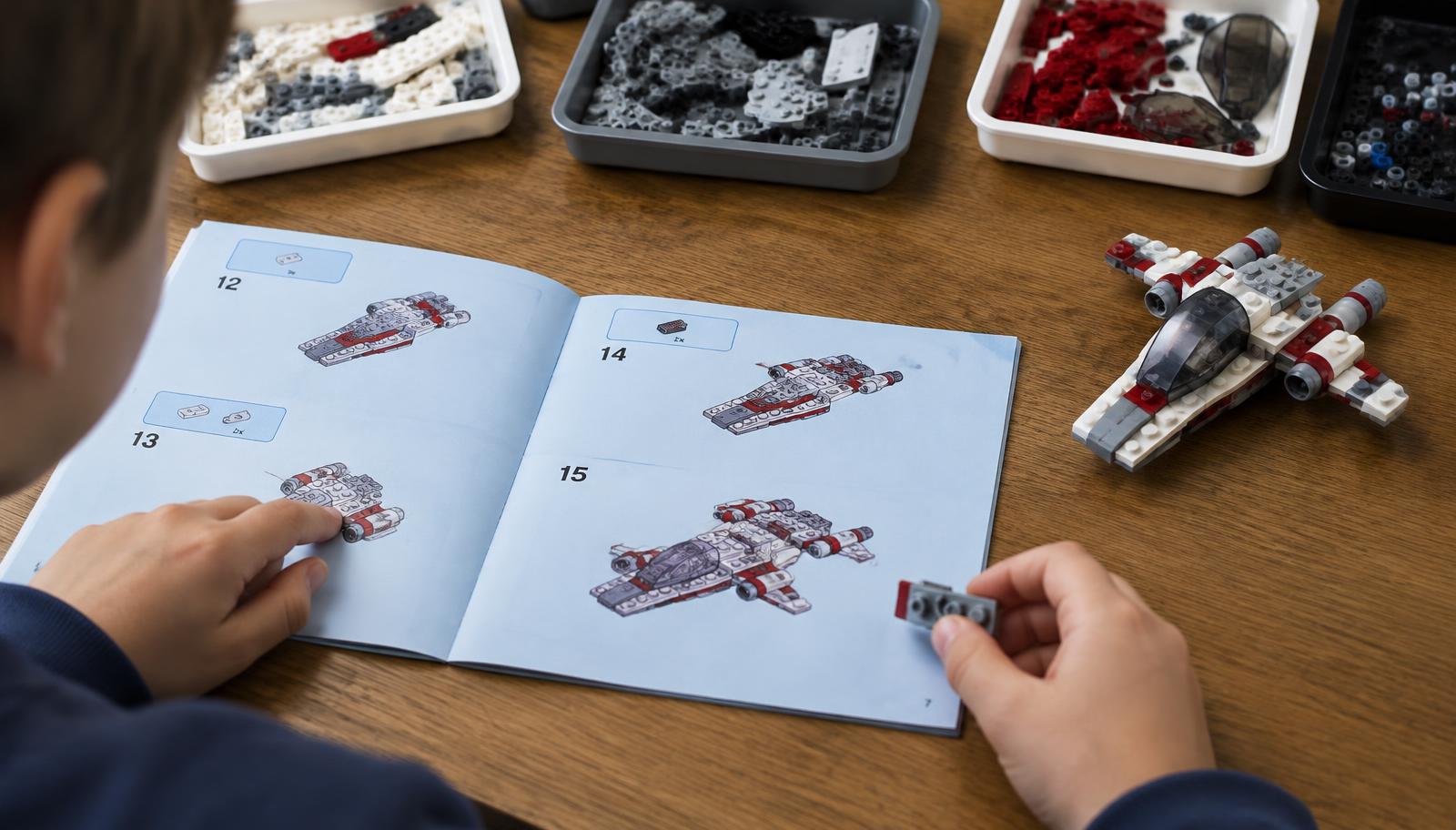
If this is your family's first time opening a box of brick sets for kids, here's a simple way to make it go smoothly.
- Clear a flat surface. A table or large tray works well. Avoid carpet, where small pieces are easy to lose.
- Sort pieces by bag number, if provided. Larger sets often come in numbered bags that correspond to build stages. Opening them in order prevents overwhelm.
- Read through the first few instruction pages together. Point out how the diagrams work before diving in, especially for first-time builders.
- Build in short sessions. For younger kids, 20–30 minutes is plenty. Stopping before frustration sets in keeps the experience positive.
- Let your child place the pieces. Resist the urge to take over, even when it's faster. The learning happens in the doing, not the watching.
- Celebrate the finished model. Take a photo, find it a spot on the shelf, or just let your child admire it for a minute before moving on.
Starting small builds confidence. A successful first set makes a child far more likely to ask for the next one.
Tips for Encouraging Creative Play
Once your child has completed a few sets, the real fun often starts: building without instructions at all.
Mix sets together. Combining pieces from a space set and a city set might produce a spaceship parked outside a diner. Let the mash-ups happen. That's where original thinking shows up.
Ask open-ended questions. Instead of "what are you building?" try "what does this part do?" or "who lives here?" Questions like these turn a build into a story.
Set loose challenges. "Build something that can hold a ball" or "build the tallest tower you can" give direction without dictating the outcome.
Share the process, not just the result. If your child is active online or in a building community, sharing in-progress photos can be just as rewarding as the finished model. Many builders, young and old, enjoy seeing how something came together.
Rebuild on purpose. Periodically taking apart an old model to build something new teaches kids that bricks are a renewable resource, not a one-time project.
Why Morebybourn Is a Smart LEGO Alternative
We built Morebybourn because we wanted families to have more options without paying official-brand prices for every set.
Here's what that looks like in practice:
- Compatible construction. Our bricks are made to the same stud tolerance as official bricks, so they connect with sets your family already owns.
- Real savings. Expect to pay roughly 40–70% less than official branded sets for comparable piece counts.
- Variety by interest. Whether your child loves space, city life, vehicles, or architecture, there's a themed set to match.
- Safety first. We look for sets certified to ASTM F963 and EN71 standards, which test for choking hazards and toxic substances.
- Fast shipping and English instructions. Sets ship from a US warehouse with delivery in a few days, no imported-box confusion.
We know compatible brands still have some catching up to do when it comes to brand recognition. We're honest about that. What we can promise is that our team checks quality closely before a set makes it into our store, and we keep working to bring better sets to families who want options.
If you're ready to see what's available, you can explore our full collection and find a set that fits your child's interests and your budget.
Start Building Today
A good building set doesn't need to be expensive or complicated to spark real joy. Start with a set that matches your child's age and interests, set up a small space for building, and let the process be a little messy. That's where the learning and the fun both happen.
We hope you find brick sets for kids that your family loves, whether that's a first small set or a big collaborative build you tackle together on a weekend.
Frequently Asked Questions
What age should my child be to start building brick sets?
Most kids can start around age 3 to 4 with large, chunky bricks designed for small hands. Standard-sized brick sets, with smaller pieces, are generally better suited to kids 6 and up because of choking hazards in younger children.
Are LEGO-compatible brick sets safe for kids?
Reputable compatible brands use ABS plastic that meets the same safety standards as official bricks, including ASTM F963 in the US and EN71 in Europe. Always check for certification on the packaging, and follow the recommended age range, especially for sets with small pieces.
How much should I expect to spend on a good brick set?
Official branded sets can range from $20 for a small set to well over $100 for larger collections. Compatible alternative brands typically offer similar piece counts and complexity for 40–70% less.
My child loses interest halfway through a build. What should I do?
Try shorter building sessions of 20–30 minutes, and make sure the set isn't too advanced for their current skill level. Starting with a smaller piece count builds confidence before moving to bigger challenges.
Can brick sets from different brands be mixed together?
Yes, as long as the bricks are stud-compatible. Most reputable alternative brands, including Morebybourn, manufacture to standard stud dimensions so pieces connect with existing collections your family already owns.
Keep Exploring
Read our How Do You Choose the Right Construction Sets for Kids?, the plastic building bricks guide and the classic interlocking bricks guide, or browse more Best Lego Alternatives articles.
Order LEGO Alternatives From Morebybourn
We sell LEGO alternative sets and compatible bricks for kids, families, and collectors. Browse our available sets, contact our customer service team, or message us on WhatsApp for personal recommendations and help placing your order.
Order LEGO-Compatible Sets from Morebybourn
We sell LEGO alternative sets and compatible bricks for families, hobbyists, and collectors. Contact our customer service team for personal recommendations and help placing your order.