How to Choose the Best Building Brick Toys for Kids
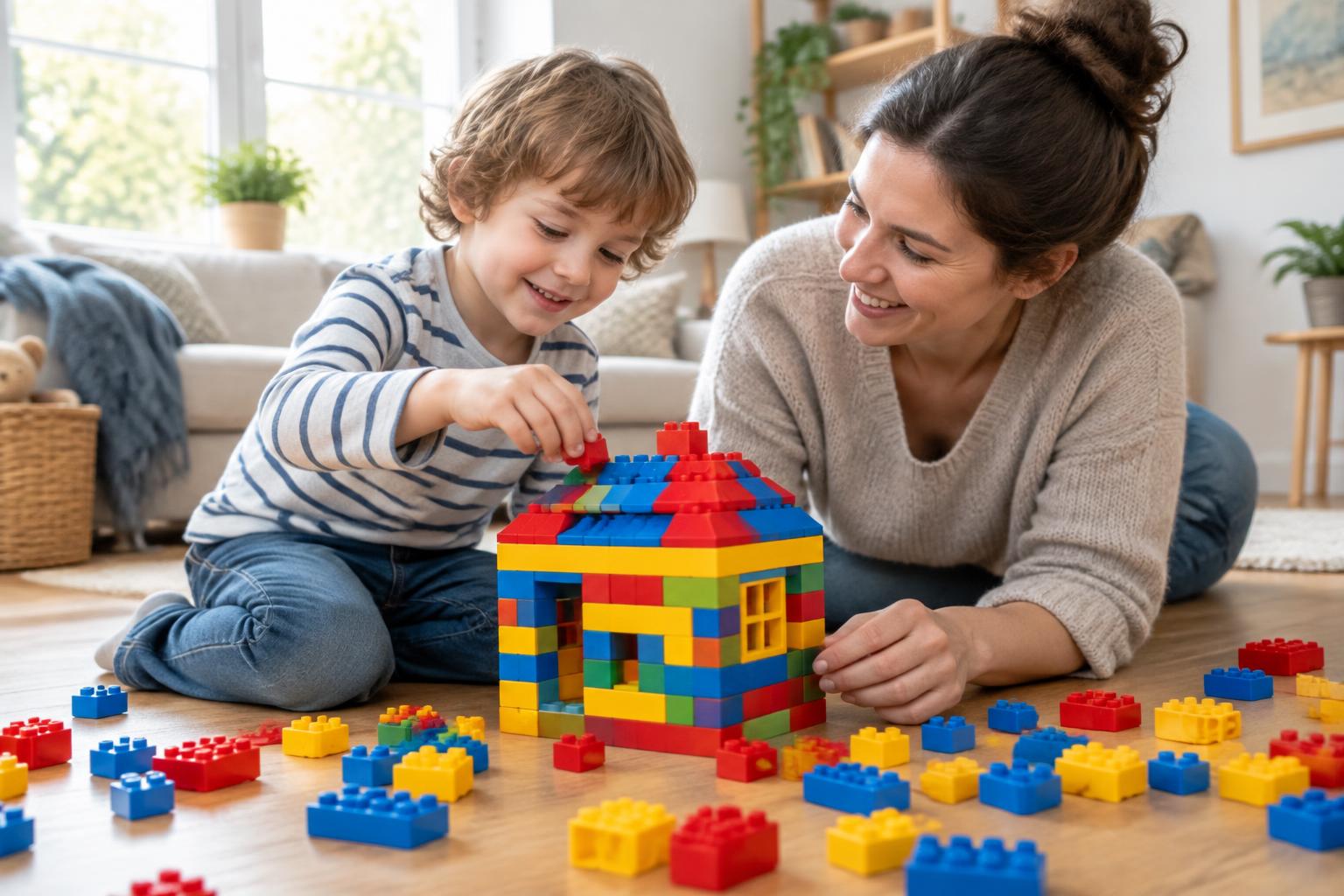
Quick answer: To choose the right building brick toys for your child, match piece count and brick size to their age, look for sets with clear instructions and open-ended building potential, and check for safety certifications like ASTM F963 or EN71. Combine a good set with a dedicated building space and a few simple habits, and your child's creativity will grow alongside their collection.
We know how it feels to stand in front of a wall of boxes, each one promising hours of fun, and have no idea which one is right for your child. We've been there too. That's why we put together this guide — to help you choose building sets for kids that actually get played with, not shelved.
This article walks through why brick building matters for kids, how to pick the right set for your child's age and interests, how to set up a space that makes building easy, and how to keep everything organized once the bricks start piling up. We'll also answer some common questions parents ask us directly.
Let's get into it.
Why Building Brick Toys Matter for Child Development
Building bricks aren't just a way to pass a rainy afternoon. They teach real skills, and they do it while your child is having fun — which is the best kind of learning.
What skills do kids build while playing with bricks?
Every time a child connects two bricks, they're practicing fine motor control. Every time they follow a set of instructions, they're working through sequencing and logic. And every time they decide to build something their own way instead of following the box, they're exercising creativity and problem-solving.
Here's a quick breakdown of what building brick toys can support:
- Fine motor skills — pressing, twisting, and aligning small pieces strengthens hand muscles and coordination.
- Spatial reasoning — kids learn how shapes fit together in three dimensions, a skill that carries into math and engineering later on.
- Patience and focus — following a multi-step build teaches kids to stick with a task until it's done.
- Confidence — finishing a build, even a small one, gives children a real sense of accomplishment.
- Social skills — building with siblings or friends naturally encourages sharing, turn-taking, and collaboration.
Parents often tell us their child becomes noticeably more focused after a few weeks of regular building time. We're not surprised. Bricks ask kids to slow down and pay attention, and that habit tends to stick.
How to Choose the Right Building Sets for Kids (Step-by-Step)
Picking the right set isn't complicated once you know what to look for. Here's how we'd walk through it with our own kids.
Step 1: Match the set to your child's age
Age guidance on the box is there for a reason. Younger children, roughly ages 4 to 7, do best with larger bricks, simpler shapes, and lower piece counts — usually under 300 pieces. Kids ages 8 to 12 can handle smaller bricks, more detailed models, and piece counts in the hundreds or even low thousands. Teens and older kids often enjoy sets with moving parts or more advanced techniques.
If your child is between two age ranges, lean toward the simpler option. A set that feels achievable builds confidence. A set that feels impossible gets abandoned.
Step 2: Think about their interests, not just their age
A dinosaur-obsessed seven-year-old will get far more out of a dino-themed build than a generic set, even if the piece count is identical. Look at what already holds their attention — space, vehicles, animals, city life — and choose a theme that matches. You can browse by category on our building brick toys collection to see what's available across different interests.
Step 3: Check piece quality and compatibility
Not all bricks are built the same. Look for ABS plastic construction, which holds its shape and color over years of play. If your child already has a collection from another brand, check that new sets are compatible so pieces can be mixed and reused across builds. This matters more than people expect — a child who can combine old and new sets gets twice the creative mileage from the same box of bricks.
Step 4: Look for safety certifications
Always check for ASTM F963 (US) or EN71 (EU) certification on the packaging. These standards test for choking hazards, toxic materials, and mechanical safety. For younger children especially, this isn't optional — it's the baseline.
Step 5: Decide between a themed kit and open-ended bricks
Themed kits, like a fire truck or a castle, are great for teaching kids to follow instructions and complete a goal. Open-ended brick sets, without a single "correct" build, are better for free creative play. Most families benefit from having both. A themed kit gets a child started, and loose bricks keep the fun going long after the instructions are put away.
Step 6: Set a realistic budget
Building brick toys span a wide price range. You don't need to spend a lot to start — a smaller, well-made set is often a better choice than a large set bought on impulse. Many families start with one or two mid-sized kits and build the collection over time as interest grows.
How to Set Up the Perfect Building Environment at Home
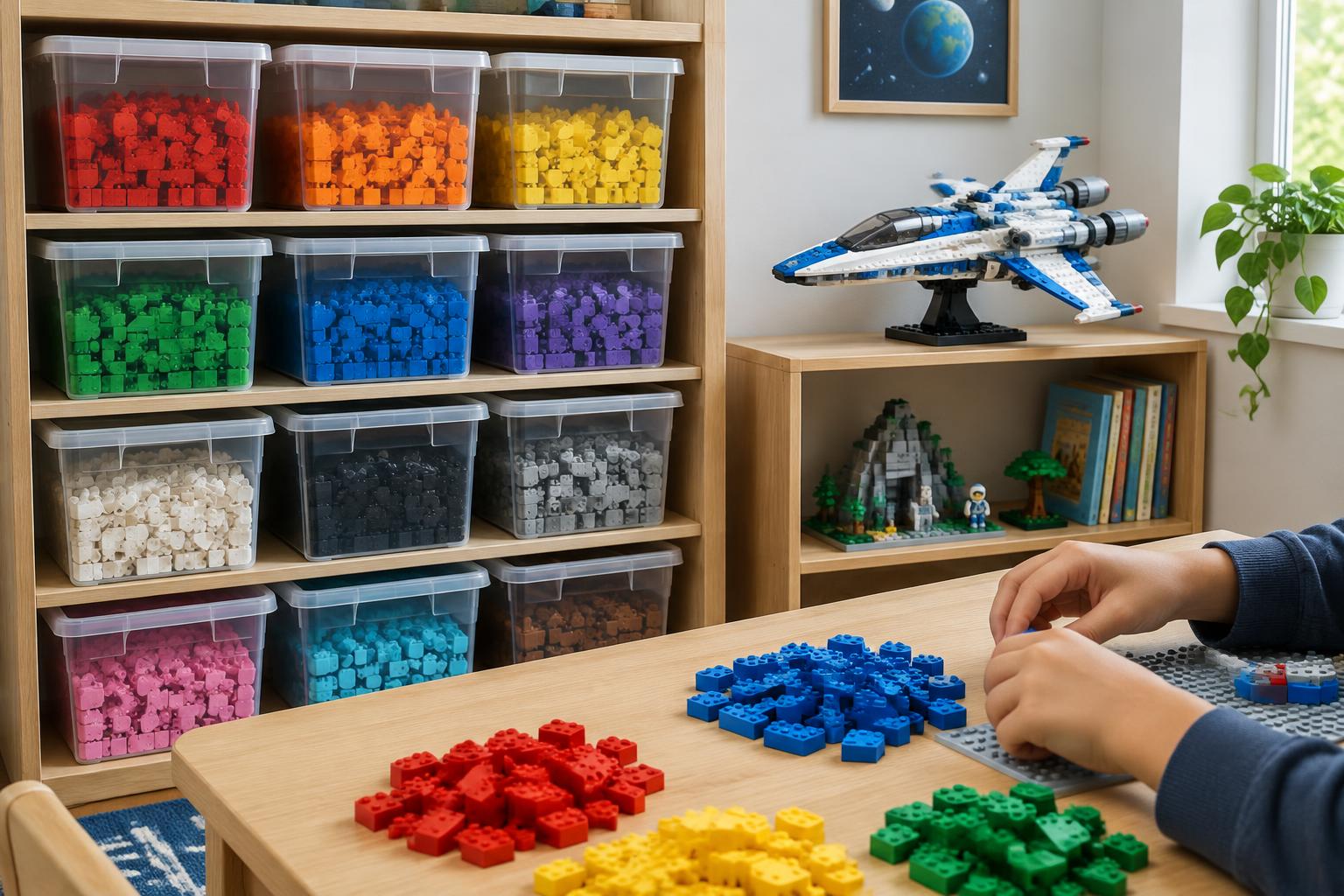
A great set can still go unused if there's nowhere good to build. A little bit of setup goes a long way.
Where should kids build?
Pick a flat, stable surface away from heavy foot traffic — a corner of a playroom, a dedicated table, or even a large tray that can be moved and stored. Soft flooring or a rug underneath helps with both comfort and noise (and saves bare feet from stray pieces).
How much space do you actually need?
More than you'd think, but less than you'd fear. A table about the size of a card table is enough for most builds. For bigger projects, like city layouts or large vehicles, a spare section of floor works well. The key is giving your child room to spread pieces out and see what they're working with.
What else helps?
Good lighting makes a real difference, especially for smaller pieces and detailed instructions. A small bin or tray for sorting pieces during a build keeps things from scattering across the room. If your child is building something they're proud of, consider leaving it on display for a few days before taking it apart — it reinforces that their work matters.
Tips for Getting Kids Engaged and Creative with Building Brick Toys
Even the best set needs a little encouragement sometimes. Here's what tends to work.
How do you keep kids interested in building?
Build alongside them, at least at first. Kids are more likely to stay engaged when a parent or sibling is part of the process. You don't need to do the building for them — just sitting nearby and asking questions keeps momentum going.
How do you encourage creativity beyond the instructions?
Once a themed set is finished, challenge your child to rebuild it into something different. Ask questions like "What else could this become?" or "Can you add a feature the instructions didn't include?" This turns a one-time build into an ongoing creative project.
What if my child gets frustrated?
Frustration usually means the step is too hard or the instructions are unclear. Break the build into smaller sessions, and don't be afraid to skip ahead and come back to a tricky section later. The goal is enjoyment, not perfection.
How can building become a shared family activity?
Set a regular building time, even just twenty minutes on a weekend afternoon. Rotate who picks the next project. Over time, this turns building sets for kids into a family habit rather than a one-off toy.
How to Maintain and Organize Building Sets
A growing brick collection needs a system, or it turns into a drawer nobody wants to open.
How should you store loose bricks?
Clear plastic bins with lids work well for general sorting — one for baseplates, one for figures, one for specialty pieces. For families with a larger collection, sorting by color or piece type makes it easier for kids to find what they need without adult help.
Should you display finished builds?
If a build means something to your child, let it live on a shelf for a while. Dust-proof display cases protect finished models from dust and little hands, and they give kids a sense of pride in what they've made. Keep display pieces out of direct sunlight, since plastic can fade or yellow over time.
How do you keep instructions organized?
Keep the original instruction booklets in a labeled folder or binder, organized by set name or theme. If booklets go missing, many manufacturers offer digital versions online — it's worth checking before assuming a set is incomplete.
How often should you rotate sets?
Every few months, rotate which sets are easily accessible and which are stored away. This keeps the collection feeling fresh without requiring new purchases every time. A set put away for a season often feels brand new when it reappears.
Start Building Something Great Together
Choosing the right building brick toys doesn't have to be complicated. Match the set to your child's age and interests, set up a space that makes building easy, and build alongside them when you can. The rest tends to take care of itself.
We hope this guide helps you find building sets for kids that get played with again and again, not just opened once and forgotten. If you'd like to see what's available by age, theme, or piece count, take a look through our full range of sets — there's something for every young builder, from a first small kit to a big weekend project.
Happy building\~
Frequently Asked Questions
What age should a child be to start with building brick toys?
Most children can start around age 4, using larger bricks designed for small hands. By age 8, kids can usually handle smaller, more detailed pieces and more complex builds.
Are LEGO-compatible building sets safe for kids?
Reputable LEGO-compatible brands use ABS plastic manufactured to the same safety standards as official bricks, including ASTM F963 and EN71 certification. Always check the packaging for these certifications before buying for a child.
How many pieces should a kid's first building set have?
For a first set, aim for under 300 pieces. This keeps the build achievable and helps your child finish with a sense of accomplishment, which makes them more likely to want to build again.
What's the difference between themed building sets and open-ended bricks?
Themed sets come with instructions to build one specific model, which teaches kids to follow steps and complete a goal. Open-ended bricks have no single correct build, which supports free, imaginative play. Most families benefit from having both.
How do I keep my child's building set collection organized?
Sort loose pieces into labeled bins by type or color, keep instruction booklets in a folder, and rotate which sets are accessible every few months. This keeps the collection manageable as it grows.
Keep Exploring
Read our How to Choose and Use Creative Construction Toys Your Kids Will Love, the Build and Play Sets guide and Why Buildable Toys Still Matter, or browse more Building Sets for Adults articles.
Order LEGO Alternatives From Morebybourn
We sell LEGO alternative sets and compatible bricks for kids, families, and collectors. Browse our available sets, contact our customer service team, or message us on WhatsApp for personal recommendations and help placing your order.
Order LEGO-Compatible Sets from Morebybourn
We sell LEGO alternative sets and compatible bricks for families, hobbyists, and collectors. Contact our customer service team for personal recommendations and help placing your order.