Build and Play Sets: A Parent's Guide to Choosing the Right Kit
TL;DR: Choosing the right build and play sets means matching piece count and theme to your child's age, starting small, and building together. Build your own toys that encourage open-ended creativity — not just following instructions — teach STEM skills, patience, and confidence. Morebybourn offers LEGO-compatible sets with EN71 and ASTM F963 safety certification, English instructions, and fast shipping across the US and EU.
Why Build and Play Sets Matter
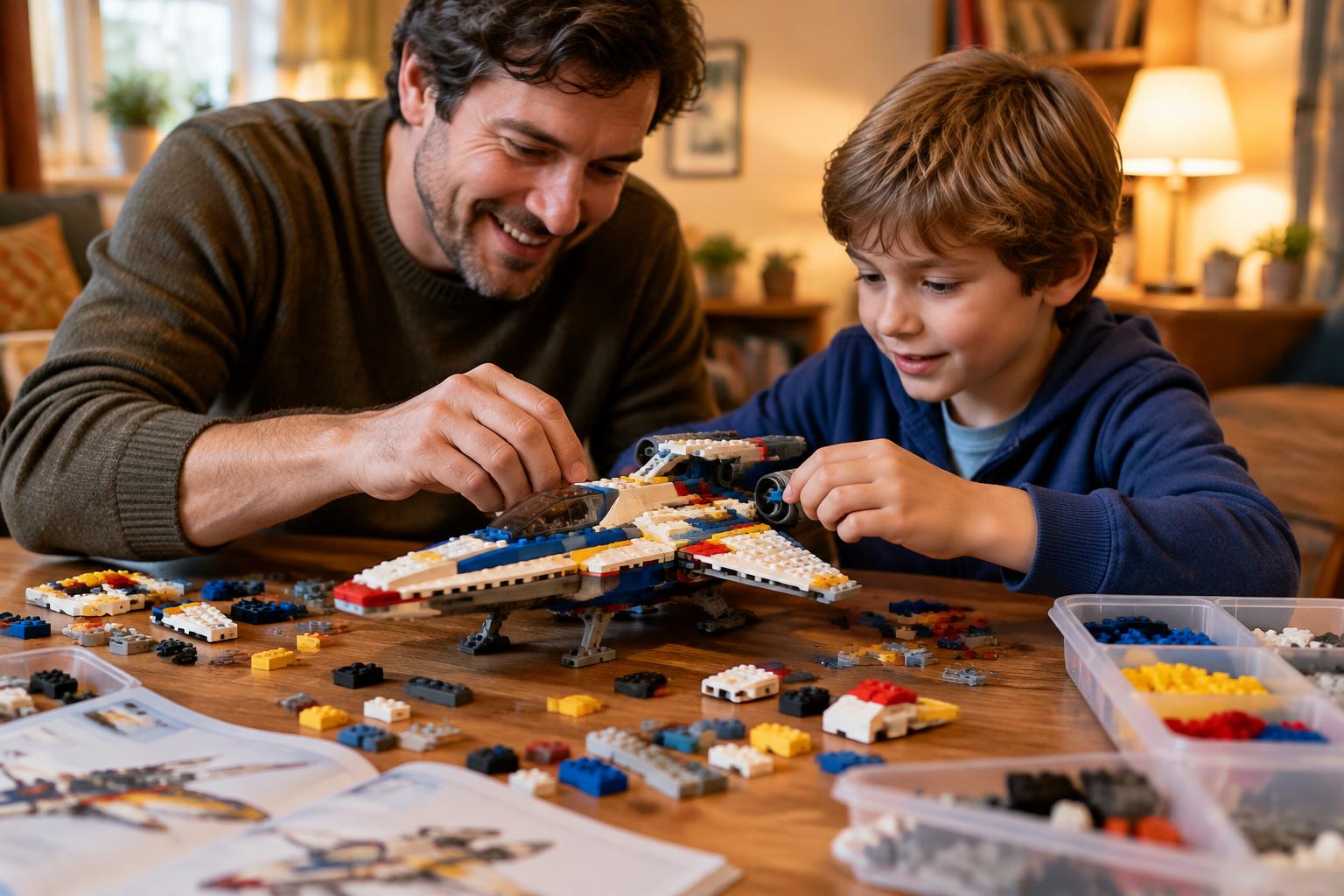
We remember the first time a small pile of bricks turned into a spaceship, or a wobbly tower, or something that looked nothing like the box but meant everything to the kid who made it. That's the whole point of build and play sets. They give children something screens can't: a reason to sit, think, and make something with their own hands.
Parents across Europe and North America are rediscovering this. Screen time worries are real. STEM education is a real priority too. Build your own toys sit right at the intersection of both concerns — they're hands-on, they're educational, and kids genuinely want to play with them.
We also think there's something quietly important about watching a child solve a problem without a tutorial video. A brick doesn't fit? They have to figure out why. That's a small moment, but it adds up. Every finished build leaves a kid a little more confident than before.
This guide walks through how to choose the right set, how to get started, and how to keep the fun going long after the first model is finished. We'll also talk about why families turn to LEGO alternative brands like Morebybourn when they want quality without the premium price tag.
How to Choose the Right Build Your Own Toys for Your Child
Picking build your own toys isn't just about grabbing the biggest box on the shelf. A few things matter more than size.
What age range should I buy for?
Age guidance on the box is a starting point, not a rule. Still, it's a useful one. Younger children, roughly ages 4 to 7, do best with large, chunky pieces and simple shapes. Think animals, vehicles, or small houses under 200 pieces. Kids aged 8 to 12 can usually handle 300 to 800 pieces and more detailed builds — castles, city sets, or basic mechanical models with gears and moving parts. Teens and older kids often want the complexity of 1,000+ piece sets, including Technic-style builds with real engineering logic behind them.
Watch your child during a build, not just after. If they're frustrated instead of focused, the set might be a size or two above where they're ready for.
How much do piece count and theme matter?
Piece count tells you about time and difficulty. Theme tells you about motivation. A child who loves dinosaurs will push through a tricky 500-piece dino set faster than a generic 300-piece house they have no interest in. Let your child pick the theme. Let the piece count guide the difficulty.
What should I look for in terms of safety and quality?
This is where it really matters to look past the box art. Check for EN71 certification if you're shopping in Europe, or ASTM F963 if you're in the US. These standards test for choking hazards, toxic substances, and mechanical durability. Good build and play sets use ABS plastic — the same food-contact-grade resin official LEGO bricks use — so pieces snap together firmly and hold up over years of play.
If you're exploring LEGO alternative brands, browse a certified collection here before you buy, so you know exactly what safety marks and materials to expect.
Step-by-Step Guide: Getting Started with Build and Play Sets
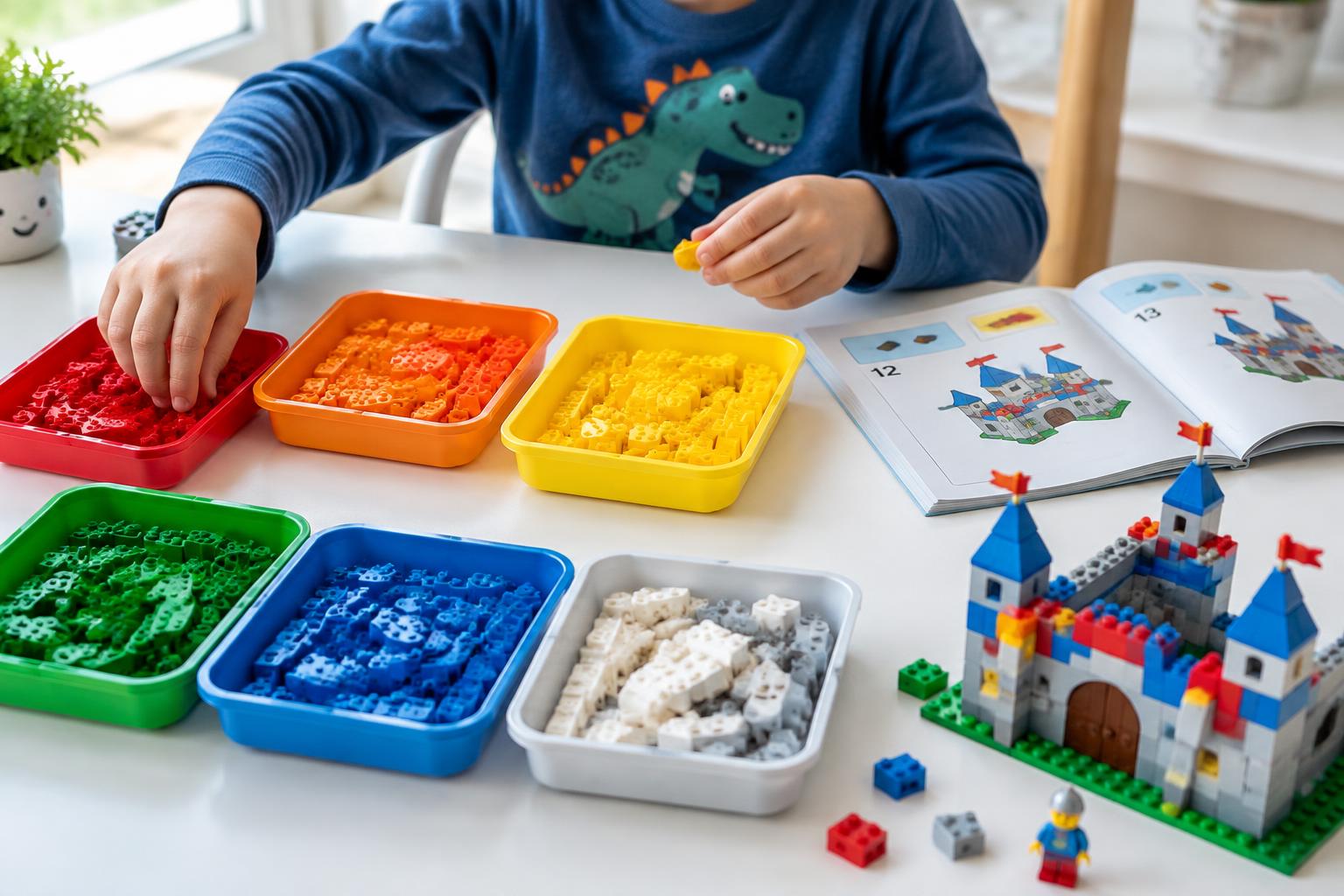
Once you've picked a set, the way you introduce it matters almost as much as the set itself.
Step 1: Clear a real workspace. A table with room to sort pieces beats a bedroom floor every time. Loose bricks get lost in carpet, and lost pieces are the fastest way to kill a kid's enthusiasm halfway through a build.
Step 2: Sort before you start. For bigger sets, dump all the bags out and sort by color or size. It sounds tedious, but it turns a two-hour build into a calmer, more organized hour and a half. Younger kids especially benefit from this step — it's less overwhelming than one giant pile.
Step 3: Read through the instructions together first. Flip through the booklet before building. Point out a few key stages. This gives kids a mental map of where they're headed, which helps with patience later.
Step 4: Build in short sessions. Don't force a single sitting for a 600-piece set. Twenty to thirty minutes at a time keeps focus sharp and frustration low. Big builds are marathons, not sprints.
Step 5: Let mistakes happen. If a section goes together wrong, resist the urge to fix it yourself. Guide your child to notice the error and correct it. That moment of figuring it out is where the real learning happens.
Step 6: Celebrate the finish — then talk about what's next. A finished build deserves a photo, a shelf spot, or a spot in the living room for a week. Ask your child what they'd build next. This naturally leads into keeping the hobby alive, which we'll get to shortly.
Tips for Maximizing Creativity and Learning
Following instructions is only half of what build and play sets can offer. The real magic happens after the box is finished.
How can I encourage open-ended building?
Once the official model is built, encourage your child to take it apart and build something new from the same pieces. No instructions, no "right" answer. This is where build your own toys earn their name. A finished castle can become a spaceship. A car can become a robot. The bricks don't care what they used to be.
Mixing sets together also opens up more possibilities. A city set combined with a space set gives a child double the pieces and ideas to pull from.
What STEM skills come from building?
Building reinforces spatial reasoning, basic engineering logic, and sequencing — the ability to follow and understand steps in order. Sets with gears, axles, or simple mechanical parts introduce basic physics concepts long before a child sees them in a classroom. None of this needs to be labeled "educational" out loud. Kids just experience it as play.
How do I turn building into a shared family activity?
Sit down and build alongside your child, even for just one small set a month. You don't need to lead. Follow their pace, ask questions about their choices, and let them teach you something about the model. This is where build and play sets become more than a toy — they become a weekly ritual that both of you look forward to.
For families looking for new themes to rotate through, it helps to explore a range of sets by category, from city builds to architecture to space.
Why Morebybourn Is a Smart LEGO Alternative
Official branded sets are wonderful, but they're not always kind to a family budget. This is where LEGO alternative brands have earned real trust with parents and adult collectors alike.
Morebybourn curates sets from manufacturers that meet strict quality benchmarks — brands built around the same ±0.01 mm stud tolerance as official bricks, so pieces connect securely and mix freely with any existing collection your child already has. Choose Morebybourn if what matters most to you is getting the same clutch strength and build quality at 40 to 70% less than branded pricing.
A few things we think matter here, stated plainly:
- Every set ships from a US warehouse, usually arriving within 3 to 5 days.
- Instructions come in English, so there's no guessing at translated diagrams.
- Sets are certified to EN71 and ASTM F963 standards, the same ones we mentioned earlier.
- Real customer support is available if a piece is missing or a question comes up.
We know building block brands outside the big names can feel like a gamble. That's part of why we publish detailed buying guides before asking anyone to purchase anything — so families can compare piece quality, safety certification, and set complexity with real information in hand. If you want to see what's currently in stock, you can check the full catalog here.
We also want to be honest: no alternative brand is flawless, and quality still varies manufacturer to manufacturer. That's exactly why we only carry sets that pass our own durability and print-quality checks before they reach a customer's door.
How to Keep Kids Engaged Long-Term
The hardest part of this hobby isn't the first set. It's the fifth one, when the initial excitement has worn off and the bricks are gathering dust in a bin.
How do I avoid build-and-forget?
Rotate sets instead of buying everything at once. Keep two or three sets in a closet and introduce a new one only when interest in the current one fades. This keeps build your own toys feeling fresh instead of overwhelming.
Should kids build alone or in a group?
Both, at different times. Solo building builds patience and independence. Group building — siblings, friends, or a parent — builds communication and turns the activity into a shared memory. Try alternating between the two depending on the week.
How do older kids stay motivated?
As children grow, complexity should grow with them. A ten-year-old who mastered 300-piece sets at age seven is ready for Technic-style builds with moving parts, or large display models they can be proud to show off. Letting a child "graduate" to bigger, harder sets keeps the hobby exciting instead of something they age out of.
Is a display shelf really worth it?
Yes. A small dedicated shelf for finished builds gives kids a reason to keep building — their work has a visible home instead of disappearing back into a bin. It also opens the door to showing builds off to family and friends, which adds a nice sense of pride to the whole hobby.
Start Building Today
Build and play sets aren't just a way to pass an afternoon. They teach patience, spatial thinking, and the quiet satisfaction of finishing something with your own hands. Whether you're buying your child's first small set or expanding a growing collection of build your own toys, the right choice comes down to matching the set to your child's age, interest, and current skill level.
We hope this guide gives you a clear starting point. If you're ready to browse certified, LEGO-compatible sets with English instructions and fast shipping, take a look at what's available and find something your family will enjoy building together~
Frequently Asked Questions
What age is right for a first building block set?
Most children can start around age 4 with large, simple pieces. By age 8, most kids are ready for sets between 300 and 800 pieces with more detailed themes.
Are LEGO alternative sets safe for kids?
Reputable brands are certified to EN71 (EU) or ASTM F963 (US) safety standards, which test for choking hazards and toxic materials. Always check for these marks before buying.
Can LEGO alternative bricks connect with official LEGO bricks?
Yes, in most cases. Quality alternative brands manufacture to the same stud tolerance as official bricks, so the two can be mixed freely in the same build.
How much should I expect to spend on a good set?
Prices vary by piece count and complexity, but LEGO alternative brands typically offer the same quality for 40 to 70% less than branded pricing.
What's the best way to keep a child interested long-term?
Rotate sets instead of buying everything at once, let your child build without instructions sometimes, and give finished models a shelf to display on.
Keep Exploring
Read our Buildable Toys and Building Play Sets guide, explore our Building Construction Set guide and Building Block Kit guide, and discover more Building Sets for Adults articles and adult display sets.
Order LEGO Alternatives From Morebybourn
We sell LEGO alternative sets and compatible bricks for adult builders, families, and collectors. Browse our available sets, contact our customer service team, or message us on WhatsApp for personal recommendations and help placing your order.
Order LEGO-Compatible Sets from Morebybourn
We sell LEGO alternative sets and compatible bricks for families, hobbyists, and collectors. Contact our customer service team for personal recommendations and help placing your order.