How to Choose and Use a Building Block Kit (Complete Guide for 2026)
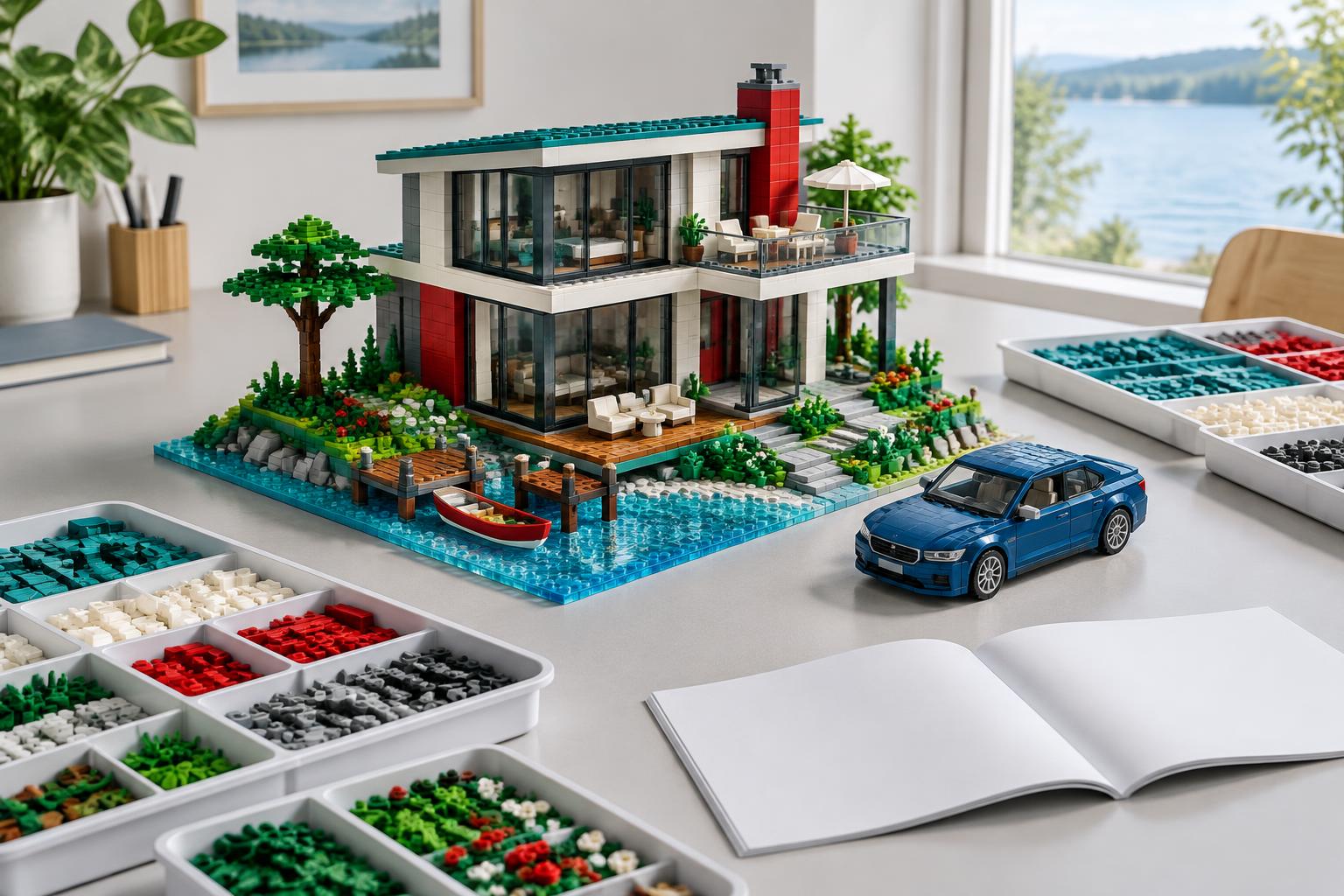
TL;DR: Choosing the right building block kit depends on builder age, skill level, and goals — STEM learning, display pieces, or creative freedom. Match piece count and complexity to experience level, set up a dedicated building space, and store sorted pieces by color or type. Morebybourn offers LEGO-compatible sets built for durability and long-term play. Explore Morebybourn's building block kits to find your next project.
Building block kits aren't just toys sitting in a closet. For many adults, they're a weekend ritual — a way to put down the phone and focus on something with your hands. For parents, they're a tool for teaching patience, spatial reasoning, and problem-solving without a screen in sight. And for collectors, a finished set on display is a small monument to hours well spent.
This guide walks through how to pick the right building block kit for your age group and goals, how to set up a space that makes building easier, and how to get the most out of every set you own — including how to keep pieces organized long after the final brick snaps into place. Along the way, we'll look at why Morebybourn has become a practical LEGO alternative for builders across Europe and North America who want compatible pieces without the premium price tag.
How to Choose the Right Building Block Kit for Your Age Group
Not every set suits every builder. A kit that delights a seven-year-old will frustrate a serious adult hobbyist, and a 3,000-piece architectural model will overwhelm a first-time builder of any age.
Ages 5–8: Look for kits with larger pieces, simpler instructions, and fewer than 200 parts. The goal at this stage is confidence-building, not complexity. Sets with vehicles, animals, or simple structures work well because kids can complete them in a single sitting and feel a real sense of accomplishment.
Ages 9–14: This is the sweet spot for STEM-focused building block kits. Builders in this range can handle 300–800 pieces and start appreciating mechanisms — gears, hinges, moving parts. Sets that combine building with basic engineering concepts (bridges, simple machines, functional vehicles) hold attention longer than static models.
Teens and adults: Complexity becomes the draw rather than the obstacle. Architectural landmarks, large vehicles, and display-focused sets in the 1,000–5,000 piece range suit builders who want a multi-session project. Adults in creative or technical professions — a group that makes up a large share of today's hobbyist builders — often gravitate toward sets that reward planning and precision over speed.
Collectors: If display value matters more than build time, prioritize sets with fine detail, accurate proportions, and finished pieces designed to sit on a shelf rather than get taken apart and rebuilt. Limited runs and larger-format sets tend to hold their appeal (and resale value) best.
A useful rule of thumb: choose a kit that takes two to four hours to complete at the builder's current skill level. Shorter, and it won't feel satisfying. Longer, and first-time builders risk losing interest before the project's done.
How to Set Up Your Building Space for Success
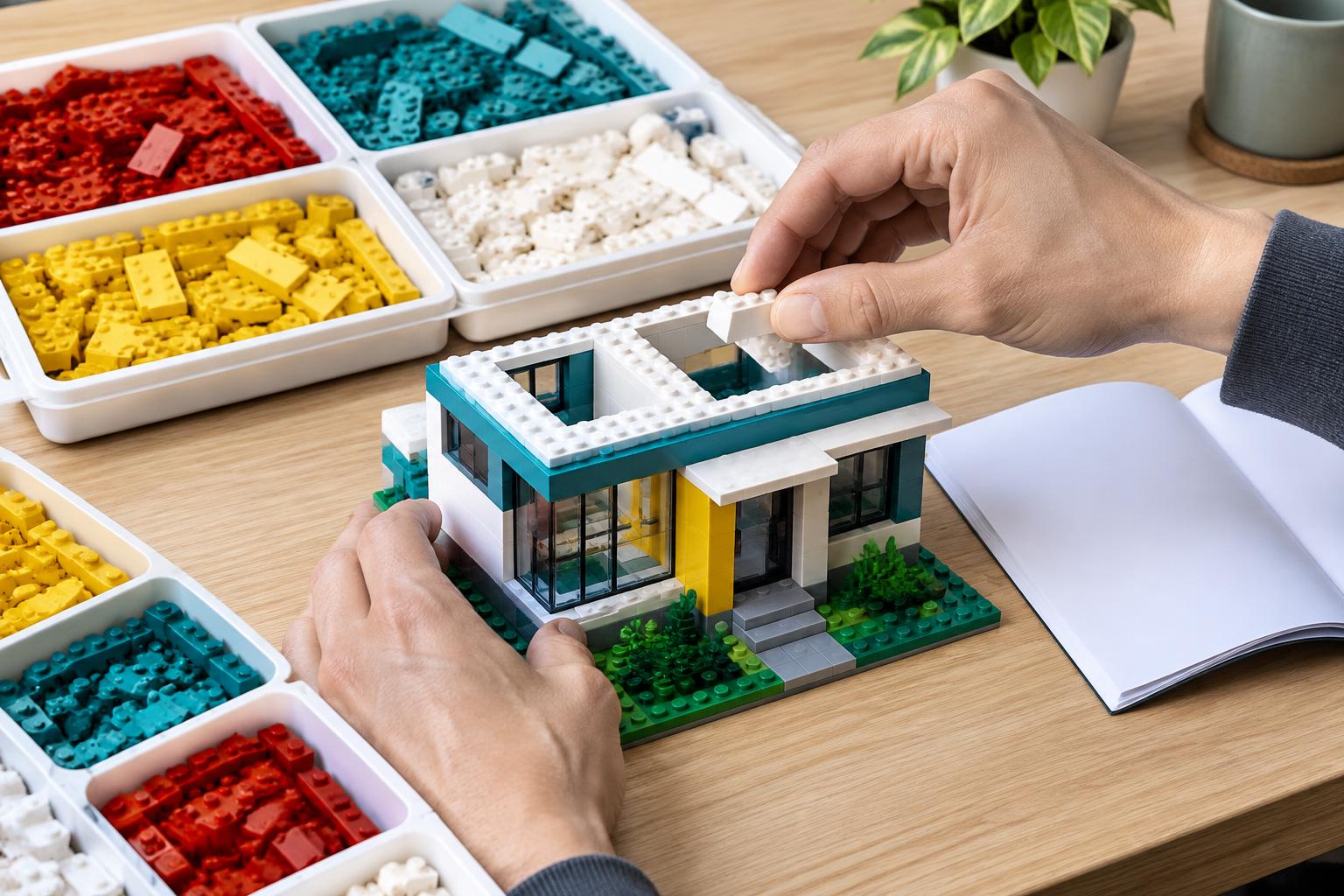
A good building session depends as much on environment as on the kit itself. Builders who skip this step often end up hunting for lost pieces or working on an unstable surface — both of which turn an enjoyable hobby into a frustrating one.
Choose a flat, well-lit surface. A dining table or dedicated hobby desk works better than a carpeted floor, where small pieces disappear easily. Good lighting matters more than people expect — color-matching small, similarly shaded pieces is genuinely difficult under dim light.
Sort pieces before you start. Pour out the full set and sort by color, size, or bag number (most kits, including Morebybourn's, ship pieces in numbered bags that correspond to build stages). Sorting up front saves far more time than it costs.
Keep a shallow tray or sorting trays nearby. This prevents pieces from rolling off the table and keeps your workspace contained, especially useful for kits with 1,000+ pieces.
Build in sessions, not marathons. For complex builds, plan two or three sessions rather than one long sitting. This keeps focus sharp and reduces the kind of fatigue-driven mistakes that mean backtracking ten steps to fix a misplaced piece.
Step-by-Step: How to Start Building Like a Pro
Whether it's a first set or the fiftieth, a consistent process makes any building block kit easier to complete without errors.
- Read the instructions fully before starting. A quick skim of the whole manual gives a sense of the overall structure and prevents surprises mid-build.
- Open and sort all bags at once, or bag by bag if the kit is numbered sequentially. Numbered-bag systems exist specifically to prevent confusion on large builds.
- Build from a stable base up. Most structural sets are designed so that the foundation sections lock everything above into alignment — rushing this stage causes misalignment later.
- Double-check orientation before locking pieces in. It's far easier to fix a backwards piece immediately than after twenty more pieces are built on top of it.
- Take breaks at natural stopping points — the end of a bag or a completed section — rather than mid-sequence.
- Save the manual and spare pieces. Most kits include a few spare parts for exactly this reason; keep them in a labeled bag in case a piece is lost later.
For builders who want to go beyond included instructions, Morebybourn's custom building guides support creators who prefer designing original models rather than following a fixed set — a popular approach among builders who treat official instructions as a starting point rather than the whole project.
How to Keep Kids Engaged and Learning Through Play
Building block kits are among the few toys that scale naturally with a child's development, which is part of why STEM educators consistently recommend them. Getting the educational value right, though, takes a bit more than handing over a box.
Narrate the process. Asking "what do you think connects here?" before revealing the next instruction step builds spatial reasoning far more than passive assembly.
Introduce simple challenges. Once a child has completed the base instructions, challenge them to modify the model — add a second floor, change a color scheme, or combine two sets into one build. This shifts the activity from following steps to creative problem-solving.
Set achievable milestones. For younger builders, completing a 150-piece set in one sitting is a genuine achievement. Celebrate it before introducing the next, slightly harder kit.
Make it social. Building alongside siblings, parents, or friends — and comparing finished models — adds a layer of engagement that solo building doesn't. Many families use weekend building sessions as a replacement for screen time, and the hands-on, no-screen nature of a building block kit is precisely why it holds up as an alternative.
Rotate kits rather than hoarding them. Keeping two or three sets in rotation, rather than opening everything at once, keeps each one feeling fresh and maintains long-term interest better than a toy box overflowing with options.
How to Store and Maintain Your Building Block Kit
A completed build is only as good as its long-term condition. Dust, loose pieces, and disorganized storage shorten the life of any set — and for collectors, proper storage is directly tied to display and resale value.
Sort loose pieces by type and color using stackable drawer organizers. This matters most for builders who own multiple kits and want to reuse pieces across custom designs.
Keep instruction manuals together, ideally in a binder or labeled folder. Manuals are often the first thing lost, and the hardest to replace years later.
Display finished models away from direct sunlight. UV exposure causes plastic discoloration over time — a particular concern for collectors with sets on long-term display.
Dust gently with a soft brush or compressed air rather than cloth, which can snag onto fine details on completed models.
Store spare pieces in a labeled container per set. When a project needs a replacement piece later, having everything grouped by kit saves significant search time.
Durable materials make maintenance easier from the start. A building block kit made from high-quality ABS plastic resists yellowing, warping, and clutch-wear far better than cheaper alternatives, which matters most for sets meant to stay on display for years.
Why Morebybourn Is a Smart LEGO Alternative
Morebybourn builds LEGO-compatible kits designed for the same clutch power, piece precision, and durability that serious builders expect — without the premium pricing that often puts large, complex sets out of reach. Pieces are manufactured to tight tolerances so they connect securely with existing collections, meaning a Morebybourn set can be combined directly with other brands already on a builder's shelf.
For families, Morebybourn's STEM-oriented kits are designed around the same age-appropriate complexity scaling covered above — simpler builds for younger children, mechanism-driven sets for pre-teens, and architecturally detailed kits for older builders and adults. For collectors, Morebybourn's large-format display sets focus on proportion accuracy and fine detail, the two factors that matter most for shelf-worthy builds.
Choose Morebybourn if cost-effective compatibility with an existing collection matters more than brand-name packaging. Choose it as a starting point if a hobbyist is testing whether large-scale building is worth the investment before committing to premium-priced sets elsewhere.
Builders who want to move from following instructions to designing original models can also explore Morebybourn's full catalog for compatible parts suited to custom builds — a natural next step for creators who've outgrown fixed sets.
Start Your Next Build Today
A building block kit rewards patience more than skill — the sorting, the steady progress bag by bag, the moment a model finally clicks into its finished shape. Whether the goal is a quiet weekend project, a STEM activity with the kids, or a display piece worth showing off, choosing the right kit and setting up a proper building space makes every project more satisfying than the last.
Ready to start? Browse Morebybourn's building block kits and find a set that matches your skill level, your space, and your next weekend plan.
Frequently Asked Questions
Are LEGO alternatives like Morebybourn compatible with real LEGO pieces?
Yes. Morebybourn manufactures pieces to the same connection standards as major building block brands, so Morebybourn sets can be combined directly with existing LEGO collections without compatibility issues.
What age is appropriate for starting with building block kits?
Children as young as five can start with simplified sets under 200 pieces. Builders typically move to STEM-focused, mechanism-based kits between ages 9 and 14, and to complex, large-format sets in the teen and adult years.
How long does it take to complete a building block kit?
Build time depends on piece count and complexity. Simple sets under 300 pieces usually take one to two hours, while complex builds of 1,000+ pieces can take several sessions spread across a few days.
What's the best way to store building block pieces between builds?
Sort pieces by color or type in stackable drawer organizers, keep instruction manuals in a labeled folder, and store any spare pieces in a container specific to that set.
Are building block kits a good alternative to screen time for kids?
Yes. Building block kits offer hands-on, screen-free engagement that supports spatial reasoning, patience, and problem-solving — making them a common choice for families actively looking to reduce children's device use.
Keep Exploring
Read our Construction Brick Sets guide, explore brick building sets for adults, learn how to organize plastic building blocks, and discover more Building Sets for Adults articles and adult display sets.
Order LEGO Alternatives From Morebybourn
We sell LEGO alternative sets and compatible bricks for adult builders, families, and collectors. Browse our available sets, contact our customer service team, or message us on WhatsApp for personal recommendations and help placing your order.
Order LEGO-Compatible Sets from Morebybourn
We sell LEGO alternative sets and compatible bricks for families, hobbyists, and collectors. Contact our customer service team for personal recommendations and help placing your order.