How to Choose and Build the Best Brick Building Sets
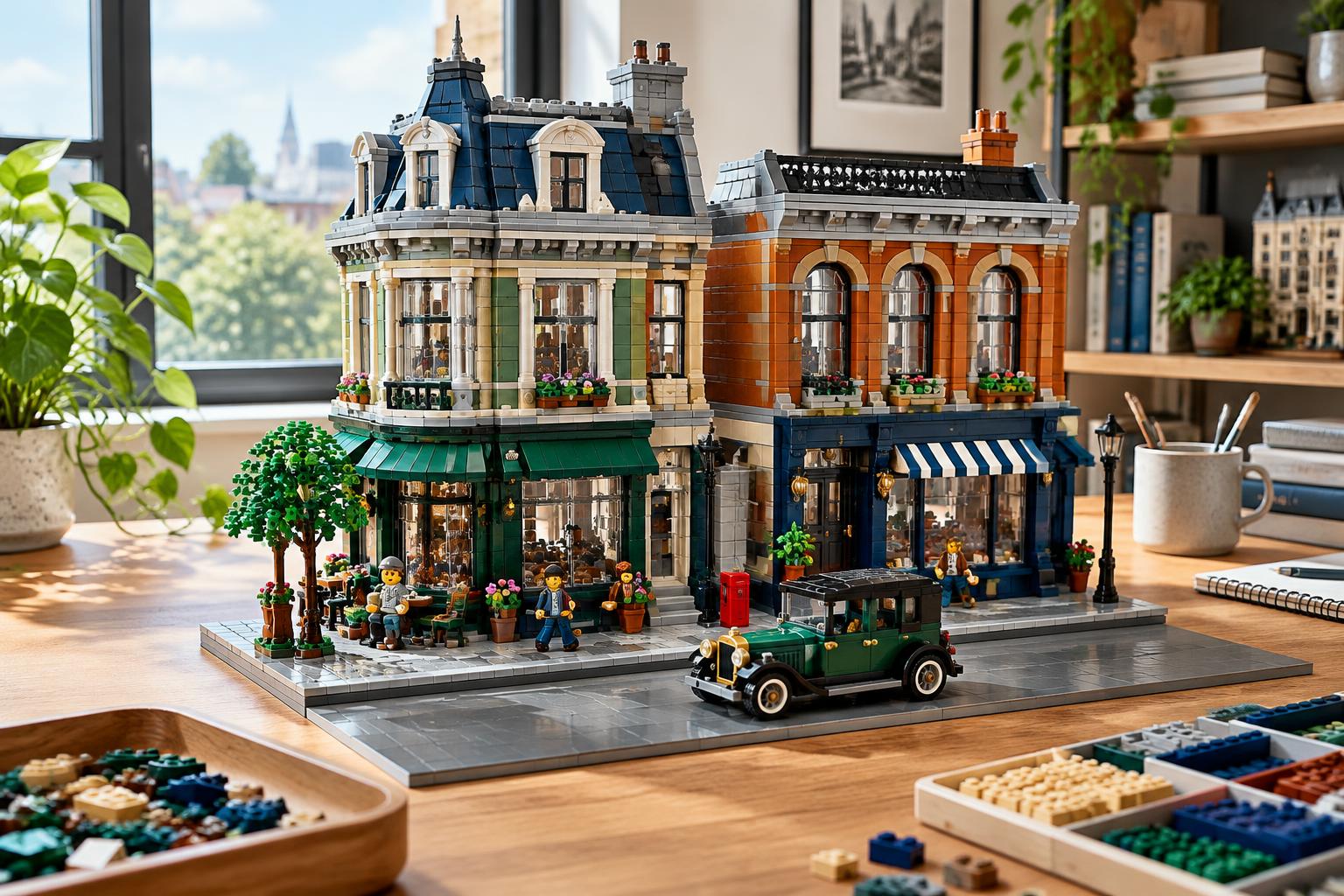
TL;DR: Choosing the right brick building sets comes down to matching piece count, skill level, and theme to the builder. Beginners should start with 200–500 pieces and simple instructions, while advanced builders can move into 1,000+ piece modular sets. Brands like Morebybourn offer LEGO-compatible alternatives at lower price points, making it easier for families and hobbyists to build bigger collections without bigger budgets.
Brick building isn't just a kids' activity anymore. Walk into any online builder forum and you'll find engineers, designers, and parents trading tips on piece sorting, MOC (My Own Creation) techniques, and which sets hold their value best. For adults, it's a stress-reliever and a creative outlet. For families, it's one of the few screen-free activities that kids actually ask for.
The brick building market has also changed. LEGO still dominates shelf space, but alternative brands — including Morebybourn — have carved out a loyal following by offering compatible pieces, original designs, and prices that make larger collections realistic. Whether you're outfitting a classroom, starting a weekend hobby, or building out a serious MOC workspace, this guide walks through the full process: choosing sets, unboxing and sorting, building techniques, storage, and leveling up into advanced design work.
How to Choose the Right Brick Building Set
Picking the right set prevents two common problems: frustrated beginners who quit halfway through, and bored experts who finish a kit in twenty minutes. Four factors matter most.
Age and Skill Level
Set packaging usually lists a recommended age range, but treat it as a floor, not a ceiling. A 10-year-old with prior building experience can handle a set labeled for ages 14+. A first-time adult builder might prefer starting with an intermediate kit before jumping into a 3,000-piece architectural model.
- Beginner (ages 5–8 or first-time builders): 100–300 pieces, large brick sizes, simple instruction booklets.
- Intermediate (ages 9–14 or hobbyists with some experience): 300–800 pieces, mixed brick sizes, multi-stage builds.
- Advanced (teens and adults): 800–3,000+ pieces, technic elements, modular or display-focused designs.
Theme and Purpose
Theme drives motivation more than any other factor. A child who loves space exploration will stick with a rocket ship kit far longer than a generic house set, even if the piece count and difficulty are identical. Match the theme to the builder's actual interests — city builds, vehicles, fantasy castles, botanical collections, or licensed universes.
Piece Count
Piece count correlates with both build time and display size, but it isn't a reliable difficulty indicator on its own. A 1,500-piece botanical set with repetitive patterns can be easier to complete than a 400-piece technic model with gearing mechanisms. Check for a stated difficulty rating alongside the piece count whenever one is available.
Compatibility
This is where alternative brands matter most. Many brick building sets from independent manufacturers are fully compatible with standard interlocking bricks, meaning builders can mix sets from different brands into a single collection. Morebybourn designs its sets to interlock with the pieces builders already own, so a new purchase expands an existing collection instead of starting a separate one. You can browse Morebybourn's current catalog to compare compatible sets by theme and piece count before buying.
How to Get Started: Unboxing, Sorting, and Setting Up Your Workspace
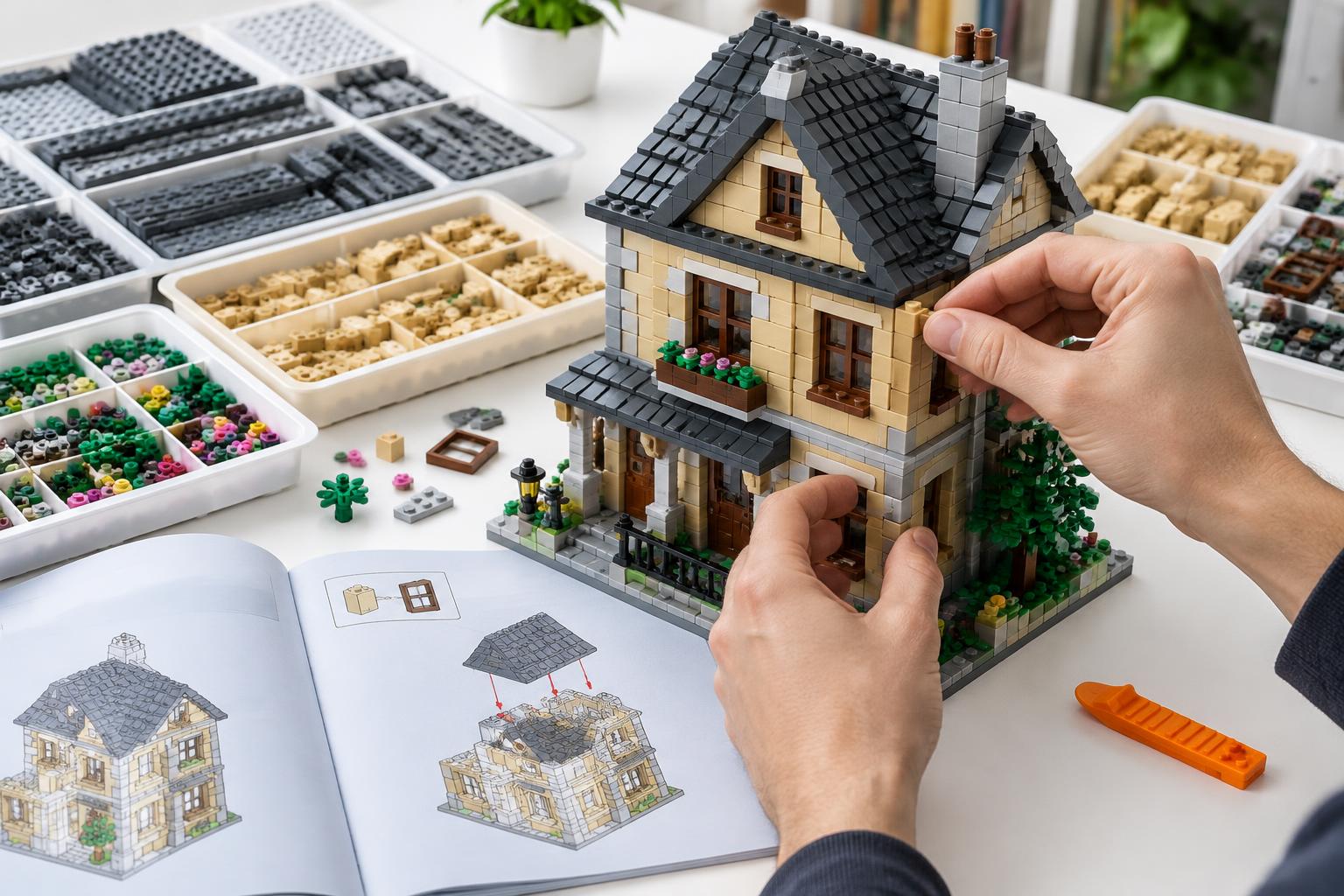
The first twenty minutes after opening a new set determine how smooth the rest of the build will be.
Step 1: Inventory before you build. Open every numbered bag and check contents against the instruction manual's parts list. Finding a missing piece after hours of building is far more frustrating than catching it upfront.
Step 2: Sort by color or by bag number. Builders with limited table space should sort numbered bags in build order and open them sequentially. Builders with more room benefit from sorting by color and piece type using small trays or a parts organizer — this speeds up later builds significantly.
Step 3: Set up a dedicated surface. A clean, well-lit table with enough space for the instruction booklet, the piece trays, and the model itself prevents lost pieces and build errors. Avoid carpeted floors; dropped pieces disappear into carpet fibers almost instantly.
Step 4: Keep the box. Set boxes double as reference images and storage containers once the build is complete, particularly for display models that get rebuilt or transported.
Step-by-Step Building Tips for Beginners and Intermediates
Good building habits apply regardless of brand or set size.
- Read two steps ahead. Instruction manuals often show a piece placement that only makes sense once you see the following step. Glancing ahead prevents misplaced bricks.
- Build in sub-assemblies. Larger models are typically broken into numbered sections. Complete and double-check each section before combining it with the next — this makes errors easier to isolate and fix.
- Press pieces fully together. Partially seated bricks are the leading cause of structural wobble in larger builds. Use firm, even pressure, and use a brick separator tool for tight fits instead of fingernails.
- Pause rather than force. If a piece doesn't fit, stop and recheck the previous two steps rather than forcing it. Misaligned bricks early in a build compound into larger problems later.
- Photograph completed sections. For collectors planning to disassemble and rebuild sets later, photos of each completed stage make reassembly dramatically faster.
Intermediate builders working with brick building sets that include technic or gear elements should test moving parts after each sub-assembly, not just at the end. Catching a stuck gear or misaligned axle early saves significant rework.
How to Get the Most Out of LEGO-Alternative Sets Like Morebybourn
Alternative brick brands exist because of a straightforward market gap: official licensed sets carry a premium that doesn't always reflect piece quality or design complexity. Morebybourn positions itself as a direct answer to that gap, producing original and interoperable designs at a lower cost per piece.
Here's how builders and families get the most value from alternative sets:
- Mix collections freely. Because Morebybourn pieces are built to standard interlocking specifications, builders can combine sets from multiple brands into single large-scale projects — a modular city street, for example, built from several different manufacturers' sets.
- Use alternative sets to expand MOC piece libraries. Original-creation builders often need large quantities of basic plates, brackets, and standard bricks rather than specialty pieces. Alternative brands are typically the most cost-effective way to stock these fundamentals in bulk.
- Check for missing-piece guarantees before buying. Reputable alternative brands replace missing or broken pieces at no charge, which matters more with larger sets where a single missing piece can stall an entire build. Review Morebybourn's missing-piece support before placing an order to confirm coverage.
- Compare instruction quality, not just price. Lower-cost sets vary widely in instruction clarity. Look for numbered, full-color manuals with clear bag groupings — the same standard you'd expect from a premium brand.
For families balancing a STEM-focused hobby budget across multiple children, mixing alternative brick building sets with premium licensed kits is often the most sustainable long-term approach: splurge on the sets with sentimental or licensed value, and build out general-purpose collections with cost-effective alternatives.
How to Store and Maintain Your Brick Collection
A growing collection needs a storage system almost as much as it needs new sets.
Use labeled, stackable bins. Clear plastic bins with labeled lids — by color, by set, or by piece type — are the standard for serious collections. Avoid bags alone; they tear and tangle pieces together over time.
Keep completed models out of direct sunlight. UV exposure yellows plastic over time, particularly on white and light-colored pieces. Display shelves away from windows preserve color far longer.
Dust with a soft brush, not water. Completed display models collect dust quickly. A soft-bristle brush or compressed air removes dust without risking water damage to printed or decaled pieces.
Separate rare or display pieces. Collectors maintaining large or limited builds should store those pieces separately from the general bulk bin to avoid loss or accidental reuse in other projects.
Inventory your collection digitally. Spreadsheets or dedicated brick-tracking apps help collectors know exactly what they own, which matters when planning a new MOC that draws from existing stock rather than a fresh purchase.
How to Level Up: Advanced Techniques and MOC Ideas
Once a builder has worked through several official sets, the natural next step is original design — commonly called a MOC, or "My Own Creation."
Start With Modified Instructions
Before designing from scratch, try modifying an existing set: swap the color scheme, extend a structure, or combine two kits into one larger model. This builds intuition for how pieces connect structurally before tackling a blank-page design.
Learn Core Techniques
- SNOT (Studs Not On Top): Building sideways or at angles to create smoother surfaces and more realistic curves.
- Greebling: Adding small, dense detail pieces to surfaces — common in spacecraft and vehicle MOCs — to create texture and visual interest.
- Load-bearing plates: Using interlocking plates rather than single bricks to distribute weight across large or tall structures, preventing structural failure in bigger builds.
Use Digital Design Tools Before Buying Physical Pieces
Virtual building software lets designers test a MOC's structural integrity and piece count before purchasing anything. This is particularly valuable for large-scale builds, where an untested design can result in hundreds of unusable or mismatched pieces.
Source Bulk Pieces Strategically
Advanced builders typically need large quantities of basic pieces rather than specialty parts. Because alternative brands focus heavily on standard piece compatibility, many MOC builders turn to brands like Morebybourn specifically to stock baseplates, brackets, and connectors in bulk. Explore Morebybourn's bulk and modular sets for cost-effective ways to build out a MOC piece library.
Join a Community
Sharing original designs — through photos, build instructions, or digital files — accelerates skill growth faster than solo building. Community feedback catches structural issues, suggests part substitutions, and connects builders with others tackling similar projects.
Building a Lasting Hobby
Brick building rewards patience over perfection. A shaky first build teaches more than a flawless kit assembled on autopilot, and a collection built gradually — through careful set selection, good sorting habits, and eventual original design — holds up better than one bought all at once.
Whether the goal is a weekend family project, a serious MOC portfolio, or a growing display collection, the fundamentals stay the same: choose sets that match skill level and interest, build with care, store with intention, and keep learning new techniques as the collection grows. Start with a single well-matched set, build good habits early, and the rest of the hobby follows naturally.
Frequently Asked Questions
How much do brick building sets typically cost?
Pricing varies by piece count, brand, and licensing. Entry-level sets (100–300 pieces) generally run $15–$40, intermediate sets (300–800 pieces) run $40–$100, and large advanced or display sets can exceed $150–$300. Alternative brands like Morebybourn typically price 20–40% below comparable licensed sets due to lower licensing overhead.
Are LEGO-alternative sets like Morebybourn compatible with LEGO pieces?
Yes. Reputable alternative brands manufacture pieces to the same standard interlocking dimensions as major brands, allowing builders to combine sets across manufacturers in a single project.
What's the best piece count for a first-time adult builder?
Adults new to brick building generally do well starting in the 500–1,000 piece range with a themed, single-build kit rather than a modular or technic-heavy set. This provides enough complexity to stay engaging without the steep learning curve of advanced mechanisms.
How long does it take to complete a large brick building set?
Build time depends heavily on piece count and complexity. A 500-piece set typically takes 2–4 hours, while 2,000+ piece sets can take 10–20 hours spread across multiple sessions, particularly for technic or modular designs.
What should I do if a set arrives with missing or broken pieces?
Check the manufacturer's guarantee policy before building. Most established brands, including Morebybourn, replace missing or broken pieces free of charge — contact customer support with the set number and the missing piece's reference number from the manual.
Keep Exploring
Continue with How to Get the Most Out of Plastic Building Blocks, plan your next display model with LEGO-Compatible Bricks for Adults, learn how to combine a mixed brick collection, explore adult building sets, and browse more Building Sets for Adults guides.
Order LEGO Alternatives From Morebybourn
We sell LEGO alternative sets and compatible bricks for adult builders, families, and collectors. Browse our available sets, contact our customer service team, or message us on WhatsApp for personal recommendations and help placing your order.
Order LEGO-Compatible Sets from Morebybourn
We sell LEGO alternative sets and compatible bricks for families, hobbyists, and collectors. Contact our customer service team for personal recommendations and help placing your order.