How to Get the Most Out of Plastic Building Blocks
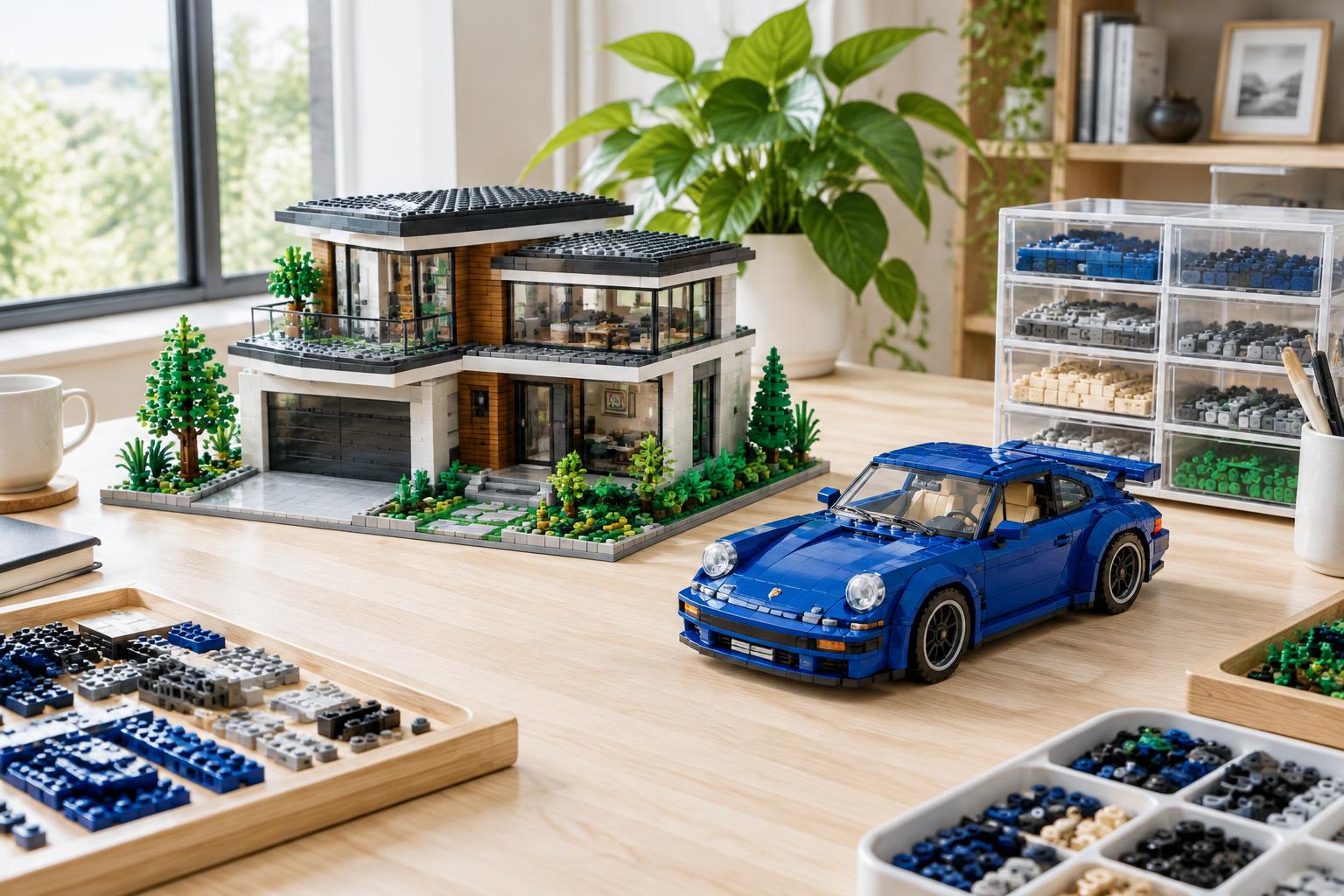
TL;DR: Choosing the right plastic building blocks, setting up a dedicated build space, and mastering a few core techniques will dramatically improve your building experience. Morebybourn offers high-durability, LEGO-compatible sets designed for builders of every skill level — from first-time stackers to advanced creators chasing their next showpiece.
Plastic building blocks aren't a passing trend. They're a staple hobby for adults, families, and collectors across Europe and North America, and the market keeps growing because the product delivers on three fronts: creativity, education, and community. Whether you're assembling your first starter set or planning a 3,000-piece modular build, getting the fundamentals right makes every project smoother and more satisfying.
This guide walks through the full process — picking the right sets, building your workspace, learning proper techniques, organizing your collection, and understanding where Morebybourn fits into the picture as a serious LEGO alternative. Add to cart later. Read first.
Why Plastic Building Blocks Still Matter
Interlocking plastic building blocks remain one of the few hobbies that work equally well for a five-year-old building their first house and a 40-year-old engineer recreating a cityscape. The appeal hasn't faded — it's expanded.
Adult builders use blocks as a creative outlet and stress reliever. Many treat large, complex models the way others treat puzzles: a focused, screen-free task with a tangible payoff at the end. Families use blocks to build STEM skills and spend device-free time together. Collectors chase limited releases and display-worthy sets for their shelves. Creators push past official instructions entirely, designing original builds and sharing them with online communities.
Each of these groups wants something slightly different from a set — but they share the same baseline requirements: strong piece quality, accurate instructions, and compatibility with what they already own. That's the foundation for every recommendation in this guide.
Choosing the Right Plastic Building Blocks for Your Needs
Not every set is built for every builder. Matching the right kit to your skill level, goals, and available time prevents frustration and wasted money.
What should beginners look for in a starter set?
Beginners should choose sets with fewer than 500 pieces, clear step-by-step instructions, and a single, well-defined build goal — a vehicle, a small building, or a simple character model. Avoid modular sets or anything requiring custom sub-assemblies until you've completed two or three smaller builds.
Look for:
- Piece count under 500 for your first few builds
- Clear numbered instructions with one step per page
- Consistent piece quality — blocks that click firmly and separate without excessive force
What should experienced builders prioritize?
Experienced builders should prioritize piece variety, structural complexity, and compatibility with existing collections. If you've already built several sets, look for kits that introduce new building techniques — like Technic-style gear mechanisms, SNOT (studs not on top) construction, or large-scale modular designs that connect to other sets you own.
How do family builders choose age-appropriate sets?
Family builders should match piece size and count to the youngest participating child, not the oldest. A 5-year-old needs larger pieces and a simpler storyline; a 10-year-old can handle smaller pieces and multi-stage builds. Many families keep two tiers of sets on hand — simple ones for younger kids, complex ones for shared weekend projects.
Morebybourn organizes its catalog by both piece count and skill level, which makes this kind of matching straightforward. Browse the current lineup at morebybourn.com to find sets sorted by difficulty before you buy.
How to Set Up the Perfect Building Environment
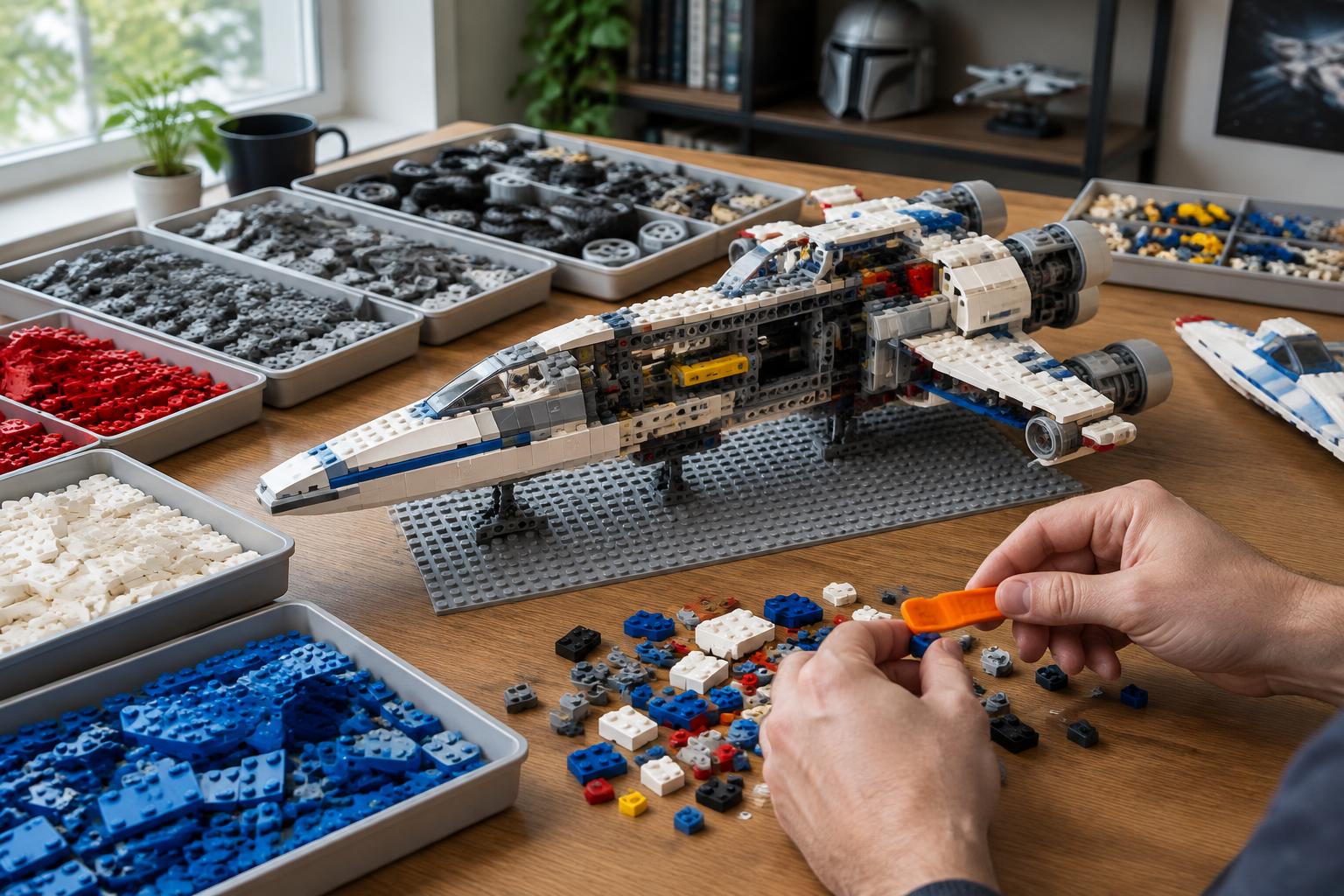
A dedicated building space does more for your success rate than any single technique. Builders who work on cluttered tables lose pieces, misread instructions, and abandon projects halfway through.
What do you actually need for a good building setup?
You need three things: a flat, well-lit surface, a sorting system for loose pieces, and enough uninterrupted time to finish at least one full instruction stage without stopping.
Lighting matters more than most builders expect. Overhead light creates shadows that make it hard to distinguish similar colors — dark blue from black, for example. A desk lamp angled from the side reduces glare and makes stud alignment easier to see.
Surface matters too. A textured tablecloth or carpeted floor will eat small pieces. A hard, flat table — ideally one you don't need to clear away between sessions — keeps your build stable and your pieces visible.
Should you build in one sitting or across multiple sessions?
Large builds should be broken into sessions aligned with instruction stages, not arbitrary time blocks. Most official instruction booklets are divided into numbered bags or sections for a reason — stopping at the end of a bag keeps your workspace organized and makes it easy to resume without confusion.
Step-by-Step: Building Techniques Every Beginner Should Know
Technique separates builders who finish their projects from builders who give up halfway through. These five fundamentals apply to nearly every set, regardless of brand or theme.
How do you sort pieces before starting a build?
Sort pieces by color first, then by size, before opening the instruction booklet. This single habit saves more time than any other preparation step, especially on sets with more than 1,000 pieces. Use small trays, muffin tins, or a divided parts organizer — anything that keeps colors separated and visible.
How do you read instructions without making mistakes?
Read two steps ahead before placing any pieces, and double-check piece count against the diagram before attaching anything. Many building errors happen because a builder places the right piece in the wrong orientation. Rotating the instruction booklet to match your model's current angle — rather than mentally rotating the diagram — eliminates most of these mistakes.
What's the correct way to attach and remove pieces?
Press pieces together at a slight angle for a secure, even connection, and always pull straight up when removing a piece rather than twisting it. Twisting stresses the studs and can crack them over time, especially on smaller 1x1 and 1x2 pieces.
How do you fix a mistake mid-build?
Backtrack to the last point where you're certain the build was correct, then rebuild forward from there rather than trying to patch an isolated error. Partial fixes often create hidden structural weaknesses that surface later, usually at the worst possible moment — when you're attaching a heavy roof or a large panel.
What tools actually help with building?
A brick separator tool and a stud remover save your fingers and your pieces. Pulling pieces apart by hand for an entire large build is a fast way to develop sore fingertips and accidentally bend smaller components. These tools are inexpensive and included with many Morebybourn sets — check your box contents before buying separately.
Advanced Tips: Taking Your Builds to the Next Level
Once the fundamentals are second nature, a few advanced practices separate casual builders from serious hobbyists.
What is SNOT building and why does it matter?
SNOT (studs not on top) is a technique that uses specialized pieces to attach blocks sideways or upside down, allowing for smoother, more realistic surfaces on advanced builds. It's the difference between a model that looks blocky and one that looks sculpted. Most car, animal, and architectural models rely heavily on SNOT techniques for curved or angled surfaces.
How do experienced builders improve structural stability on large models?
Experienced builders reinforce large models with internal bracing — hidden Technic beams or cross-supports embedded within the structure — rather than relying on surface connections alone. This is essential for anything taller than about 12 inches or wider than 18 inches, where the weight of upper sections can cause lower connections to loosen over time.
Should you follow official instructions or design your own builds?
Follow official instructions to learn new techniques, then apply those same techniques to original designs once you understand why each step works. Many creators in the online building community start by modifying official sets — swapping colors, adding details, or combining two kits — before moving to fully custom designs. Morebybourn's instruction guides are written with this progression in mind, breaking down not just what to build but why certain connections are used.
How to Store and Organize Your Plastic Building Blocks
A growing collection needs a storage system, or it quickly becomes an unusable pile. This matters just as much as technique — disorganized pieces lead to abandoned projects and duplicate purchases.
What's the best way to organize loose pieces?
Sort loose pieces by category first — plates, bricks, specialty pieces, minifigures — then by color within each category. Stackable drawer organizers work better than single large bins because they let you see and access specific piece types without dumping everything out.
How should finished builds be displayed or stored?
Finished builds should be stored on open shelving away from direct sunlight, which fades plastic color over time, and away from high-traffic areas where they're likely to be bumped. For builders without display space, dust covers or clear storage boxes protect completed models without requiring permanent shelf space.
How do you keep instruction booklets and parts organized long-term?
Keep instruction booklets in labeled binders or sleeves matched to a numbering system on your storage bins, so any set can be rebuilt or repaired without searching through loose paperwork. This becomes especially important for collectors managing multiple large sets at once — a missing instruction booklet can turn a quick repair into a frustrating guessing game.
Why Morebybourn Is a Smart LEGO Alternative
Morebybourn builds high-durability, LEGO-compatible sets for builders who want serious complexity without the premium pricing of the leading brand. Every set is designed for full compatibility with existing block collections, so you're not starting over or locking yourself into a separate ecosystem.
Three things set Morebybourn apart:
- Piece durability. Blocks are tested for consistent clutch power, so connections stay firm through repeated building and rebuilding.
- Instruction clarity. Guides are built step-by-step with one action per page, reducing the misreads that frustrate beginners and slow down experienced builders alike.
- Catalog range. Sets span beginner-friendly kits under 500 pieces up to large modular builds designed for collectors and advanced creators.
Morebybourn also leans into the community side of the hobby, encouraging builders to share completed projects and connect with other hobbyists rather than treating a set as a one-time purchase. Explore the full range of plastic building blocks at morebybourn.com to find a set matched to your skill level and project goals.
For families looking to combine STEM learning with hands-on play, or collectors chasing their next display piece, Morebybourn's catalog is built to scale with your growing skill and ambition. Visit morebybourn.com to browse current releases before seasonal sets sell out.
Build Smarter, Not Just Bigger
Getting the most out of plastic building blocks isn't about owning the biggest set on the shelf. It's about matching the right kit to your skill level, building in a space that supports focus, and learning techniques that make every future project easier. Start with the fundamentals, sort before you build, and don't be afraid to break official instructions apart once you understand how they work.
Your next build — whether it's a weekend project with your kids or a 3,000-piece showpiece for your shelf — starts with choosing the right set. Explore Morebybourn's current lineup and find your next build today.
Frequently Asked Questions
Are Morebybourn blocks compatible with LEGO?
Yes. Morebybourn pieces are designed to be fully compatible with LEGO and other standard interlocking building blocks, so you can combine sets without connection or sizing issues.
How much does it cost to get started with plastic building blocks as a hobby?
Starter sets typically range from budget-friendly beginner kits under 500 pieces to premium collector sets with thousands of pieces. Choose a starter set first — under $50 in most cases — before investing in large, complex builds.
How long does it take to complete a large building block set?
A 1,000-piece set typically takes 3 to 5 hours spread across multiple sessions, while sets over 3,000 pieces can take a full weekend or longer, depending on build complexity and experience level.
What's the biggest mistake beginners make when starting this hobby?
The most common mistake is buying a set that's too complex for a first build. Starting with a smaller, well-instructed kit builds the technique and confidence needed to tackle larger, more advanced projects successfully.
Can adults really get into building blocks as a hobby, or is it just for kids?
Absolutely. A large share of today's building block hobbyists are adults aged 25 to 45 who use the hobby for creativity, stress relief, and collecting — it's one of the fastest-growing segments of the market.
Keep Exploring
Continue with How to Choose and Build the Best Brick Building Sets, plan your next display model with LEGO-Compatible Bricks for Adults, learn how to combine a mixed brick collection, explore adult building sets, and browse more Building Sets for Adults guides.
Order LEGO Alternatives From Morebybourn
We sell LEGO alternative sets and compatible bricks for adult builders, families, and collectors. Browse our available sets, contact our customer service team, or message us on WhatsApp for personal recommendations and help placing your order.
Order LEGO-Compatible Sets from Morebybourn
We sell LEGO alternative sets and compatible bricks for families, hobbyists, and collectors. Contact our customer service team for personal recommendations and help placing your order.