Why Buildable Toys Still Matter for Kids and Grown-Up Builders Alike
Quick answer: Buildable toys help kids build fine motor skills, patience, and problem-solving while giving families a screen-free way to connect. For parents and gift-givers, choosing the right building play sets means matching piece count and theme to age, setting up a dedicated build space, and picking a brand — like Morebybourn — that offers LEGO-compatible quality without the LEGO price tag.
Building with bricks looks simple. Two pieces snap together, then another, and before long a spaceship or a castle sits on the table. But something quieter is happening underneath that simple click. A child is learning to plan ahead. They're learning that a mistake can be pulled apart and fixed. They're learning patience, because the best builds take time.
We think that's worth protecting. In a house full of screens, a box of bricks is still one of the few toys that asks a child to slow down and think with their hands.
This guide walks through how to choose the right buildable toys for your child's age and skill level, how to set up a space that actually gets used, and how to get more play value out of every set you buy. We'll also talk about where brands like Morebybourn fit into the picture for families looking for LEGO-compatible sets without the LEGO markup.
Why Buildable Toys Matter for Child Development
Before we get into picking sets, it helps to understand what's actually happening when a child builds.
Fine motor skills come first. Small hands learning to pinch, twist, and press bricks into place are doing real physical work. That same motion later helps with handwriting, using scissors, and tying shoes.
Then there's spatial reasoning. Following a set of instructions and turning a flat picture into a 3D object is a skill that transfers directly to math and engineering later in school. This is part of why so many STEM programs now include brick building as a core activity.
Problem-solving shows up constantly too. A tower falls over. A wall doesn't line up. A piece is missing. Each of these moments teaches a child to pause, assess, and try again instead of giving up.
And then there's the quieter benefit: focus. A child absorbed in a 45-minute build is practicing sustained attention in a way that's becoming rarer by the year.
None of this requires an expensive set or a famous logo on the box. It just requires the right pieces, matched to the right age, and a little room to work.
How to Choose the Right Building Play Sets for Your Child's Age and Skill Level
This is where most parents get stuck in the aisle — or scrolling online — unsure what "ages 6+" or "1,200 pieces" actually means in practice.
Ages 3–5: Big pieces, simple shapes. At this stage, look for oversized bricks with simple, open-ended builds. The goal isn't a finished replica of anything. It's stacking, sorting by color, and building confidence. Piece count should stay low, usually under 100.
Ages 6–9: Themed sets with guided instructions. This is where most kids fall in love with building. City scenes, vehicles, and simple space sets with 100–500 pieces work well here. Instructions should be clear and visual, since many kids this age aren't strong readers yet. This is also the age where minifigures and storytelling become part of the fun — a set isn't just built, it's played with afterward.
Ages 10–12: Bigger builds, more complexity. Kids in this range can handle 500–1,000 piece sets with more intricate mechanisms — working doors, small gears, multi-section builds. Architecture sets and detailed vehicles tend to hold their attention here.
Teens and adult builders: Display-grade complexity. For teens and the adult hobbyists who never really stopped building, sets of 1,000 to 10,000+ pieces open up a different kind of satisfaction — Technic mechanisms, motorized elements, and large-scale display models like the Eiffel Tower or a detailed pirate ship. If you're browsing building play sets for this age group, piece count and build time matter more than theme alone.
One practical tip: when buying a gift, round down on age recommendation rather than up. A set that's slightly too easy still gets built and enjoyed. A set that's too hard often ends up abandoned in a drawer.
How to Set Up the Perfect Building Play Environment at Home
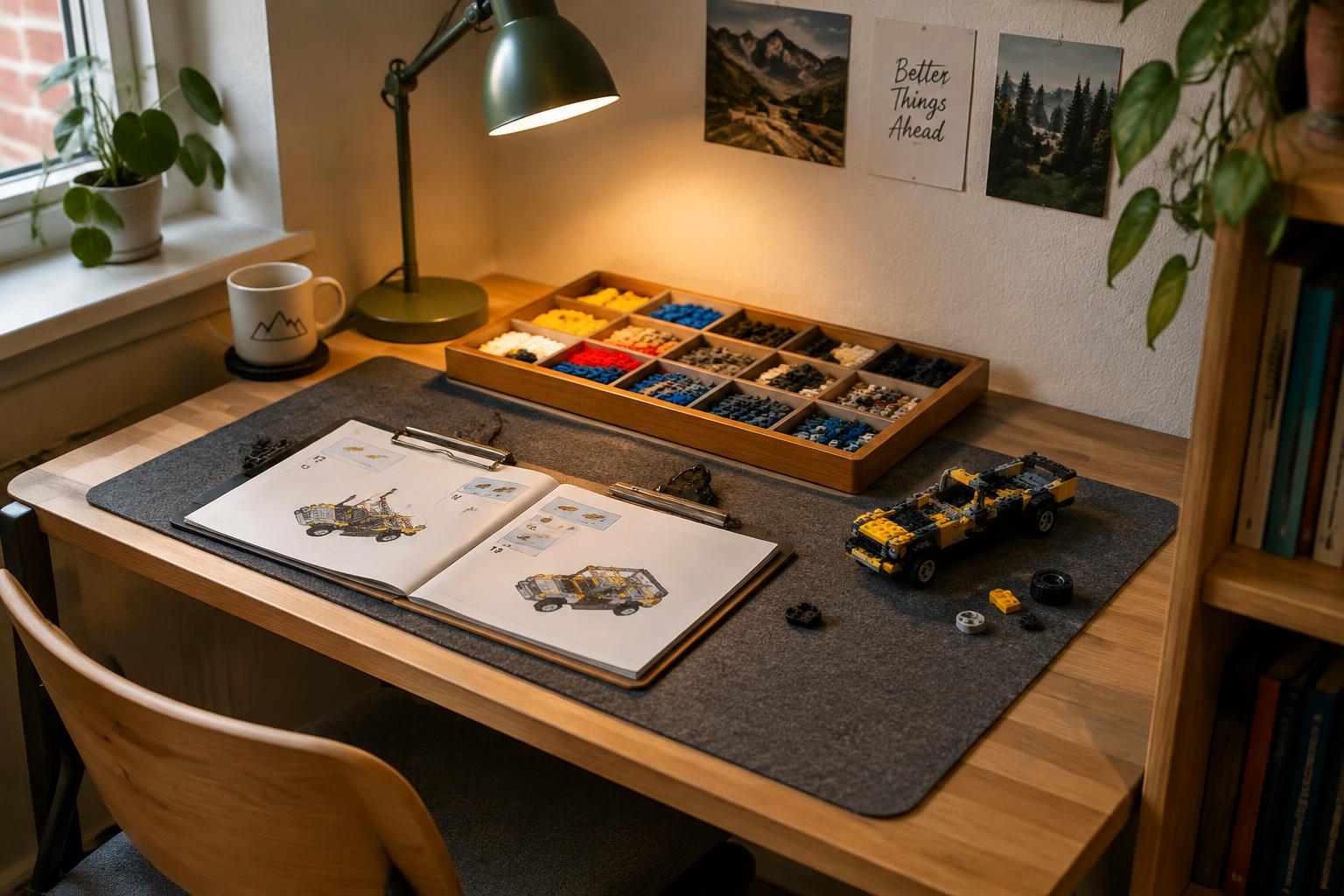
A great set can still go unused if there's nowhere good to build it. Setup matters more than people expect.
Pick one flat surface and protect it. A kitchen table that gets cleared every night isn't ideal for a multi-day build. A dedicated corner — even a folding table in a bedroom — lets a project sit undisturbed between sessions.
Use a tray or mat to contain pieces. A large tray or felt mat keeps loose bricks from scattering and makes cleanup faster, which matters a lot when the alternative is stepping on a stray piece barefoot.
Light it properly. Good lighting isn't just comfort — it helps kids spot the right piece color and shape quickly, which keeps frustration low during longer builds.
Keep instructions visible and flat. A small stand or clipboard to hold the instruction booklet open keeps hands free and prevents pages from getting lost or crumpled.
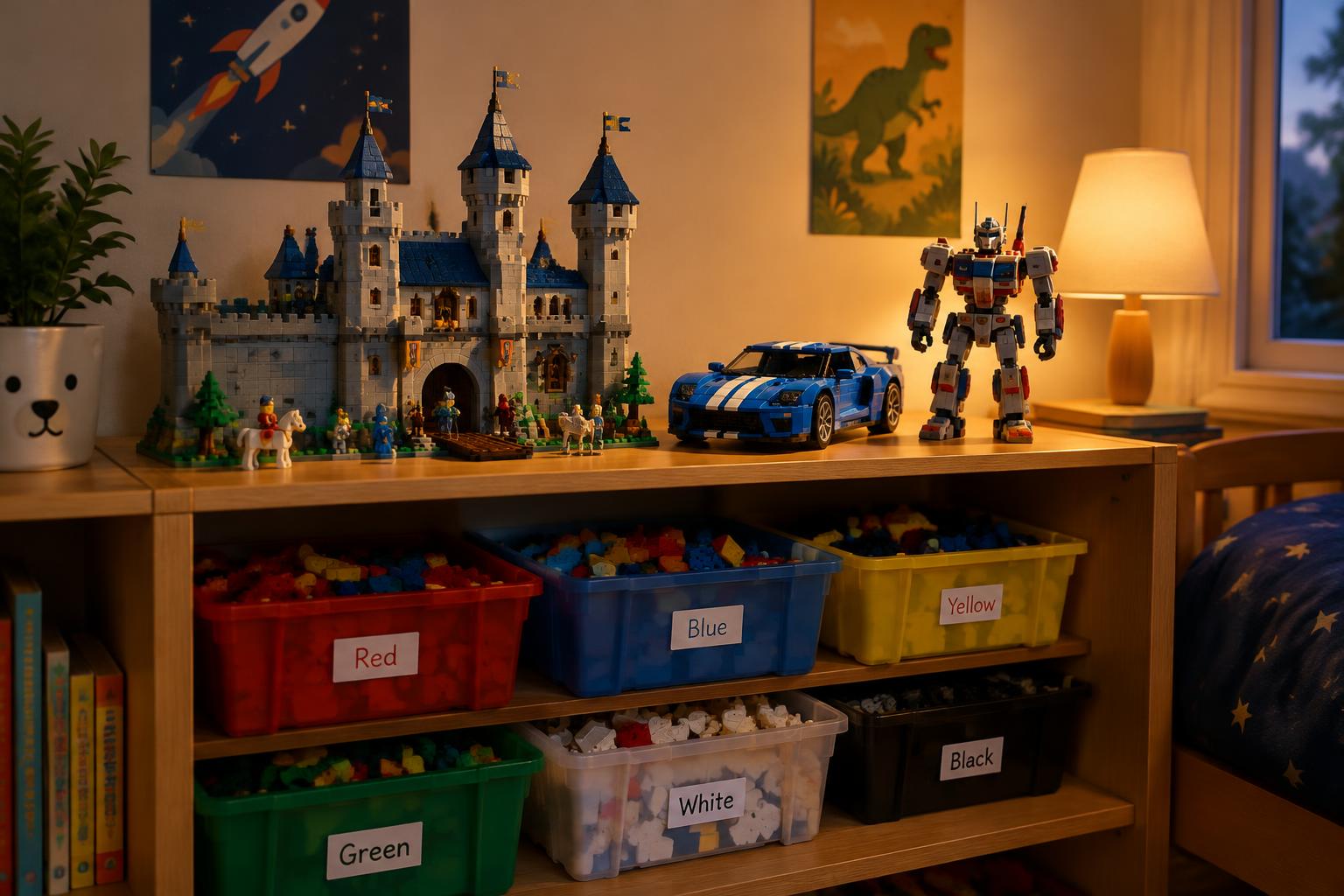
Store loose pieces by type, not by set. For families with multiple sets in rotation, sorting bins by brick type or color (rather than keeping every set in its own bag forever) makes creative, non-instruction building far easier later on.
None of this needs to be elaborate. A clear table, a shallow tray, and decent light cover 90% of what makes a build session enjoyable instead of frustrating.
How to Make the Most of Buildable Toys: Tips for Parents
Buying the set is step one. Getting real value from it — educational and otherwise — takes a bit more intention.
Build alongside your child, at least sometimes. You don't need to take over. Sitting nearby and handing over pieces, or working on a second small build together, turns a solo activity into a shared one.
Let mistakes happen. It's tempting to fix a backwards piece before your child notices. Try not to. Catching and correcting their own errors is where a lot of the learning actually happens.
Rotate sets instead of keeping everything out. Too many options at once can overwhelm a child and lead to half-finished builds everywhere. Keeping a few sets in rotation keeps each one feeling fresh.
Connect builds to stories and play. A finished city set becomes much more valuable once it's part of an ongoing imaginative game, not just a static display. Ask your child what's happening in their build. Let them narrate it.
Celebrate the process, not just the finished model. A comment about how carefully they followed a tricky step matters more to a child's confidence than praise for the final result alone.
We hope these small habits make the difference between a set that gets built once and shelved, and one that gets rebuilt, remixed, and played with for months.
How Morebybourn Stands Out as a LEGO Alternative
If you've shopped for brick sets recently, you've likely noticed the price gap between official sets and alternative brands has grown. This is where Morebybourn comes in.
We curate sets from trusted manufacturers — brands like Cada, Mould King, and Reobrix — that are built to the same high-grade ABS plastic standard and the same tight stud tolerance as official bricks. That means Morebybourn buildable toys connect seamlessly with any existing brick collection your family already owns. You're not starting over. You're adding to what you have.
A few things we think matter here:
- Compatibility. Every set is built to connect with major brands' bricks, so mixing and matching is never a problem.
- Safety certification. Sets are certified to ASTM F963 (US) and EN71 (EU) toy safety standards, which test for toxic substances and mechanical safety.
- Real savings. Families typically save 40–70% compared to official sets, without giving up clutch strength or print quality.
- Fast shipping and English instructions. Sets ship from a US warehouse with 3–5 day delivery, so there's no long wait or language barrier.
China's bricks still have a lot of room for improvement compared to the biggest names in the industry. We know that. We hope to close that gap a little more with every set we curate, and we only list sets that pass our own quality checks first.
If you want to browse what's currently in stock, our building play sets collection covers everything from beginner city sets to large architecture builds for collectors.
How to Extend Play Value: Combining Sets and Encouraging Creativity
The real magic of brick building happens after the instructions are done.
Combine sets from different themes. A space set and a city set, mixed together, can become something neither box intended. This is often where a child's first real creative building happens — not from instructions, but from imagination filling the gap.
Introduce open-ended building challenges. "Build the tallest tower that doesn't fall over" or "build an animal using only these ten pieces" turns loose bricks into a creative exercise rather than just leftover parts.
Save instruction booklets, but don't require them after the first build. Once a set is built once, encourage your child to take it apart and try rebuilding it differently. This is where spatial reasoning really develops.
Join a building community. For older kids, teens, and adult hobbyists, sharing finished builds online — in forums or social groups — adds a sense of accomplishment and connects builders with others who care about the same hobby. It's one of the best ways to stay motivated between sets.
For more structured inspiration, Morebybourn's article library regularly breaks down techniques, organization tips, and set comparisons for builders at every level.
How to Care for and Store Your Building Play Sets
A little care goes a long way toward keeping sets playable — and valuable — for years.
Sort loose pieces by color or type. Labeled bins or drawer organizers save enormous time during future builds and keep younger kids from losing patience hunting for one specific piece.
Keep finished displays out of direct sunlight. UV exposure can yellow ABS plastic over time, especially on white and light-colored bricks. A spot away from windows keeps colors looking fresh for years.
Use display cases for larger builds. For collectors and display-focused builders, a dust-proof acrylic case protects finished models from dust and accidental knocks — and it's a worthwhile investment for anything that takes dozens of hours to complete.
Do a dust pass occasionally. A soft brush or a quick blast of compressed air keeps detailed builds — especially architecture sets — looking sharp without needing to take them apart.
Re-bag loose sets by numbered bag when possible. If a set isn't being displayed permanently, keeping original numbered bags intact makes a future rebuild much faster.
Start Small, Build Often
You don't need the biggest set or the most expensive brand to get real value out of building together. What matters more is matching the set to your child's age, giving them a real space to build in, and staying involved without taking over.
We hope you and your family find sets you genuinely enjoy building — together or apart — and that building becomes something your kids come back to on their own, long after the box is opened.
Frequently Asked Questions
What age should a child start with buildable toys?
Most kids can start with large, simple bricks around age 3. True themed building play sets with guided instructions usually work best from age 6 onward, once reading and fine motor skills are more developed.
Are LEGO alternative brands like Morebybourn actually compatible with LEGO bricks?
Yes. Premium alternative brands manufacture to the same stud tolerance and ABS plastic quality as official bricks, so they connect without issue. The main difference is price — typically 40–70% lower.
How many pieces should a first set have?
For a child's first guided build, aim for under 100–200 pieces. This keeps the session manageable and ends in a completed model rather than frustration.
What's the best way to store loose building pieces?
Labeled bins sorted by piece type or color work best for ongoing use. Original numbered bags are better if you plan to rebuild the exact same set again later.
Can adults get the same developmental benefits from building sets?
Yes. Adult builders report the same stress-relief, focus, and problem-solving benefits as kids, often through larger, more complex display sets like architecture or vehicle models.
Keep Exploring
Read our Build and Play Sets guide, explore our Construction Building Set guide and Construction Brick Sets guide, and discover more Building Sets for Adults articles and adult display sets.
Order LEGO Alternatives From Morebybourn
We sell LEGO alternative sets and compatible bricks for adult builders, families, and collectors. Browse our available sets, contact our customer service team, or message us on WhatsApp for personal recommendations and help placing your order.
Order LEGO-Compatible Sets from Morebybourn
We sell LEGO alternative sets and compatible bricks for families, hobbyists, and collectors. Contact our customer service team for personal recommendations and help placing your order.