How to Choose and Use Classic Building Bricks: A Complete Guide for Parents and Hobbyists
Introduction: Why Classic Building Bricks Still Matter
Screens dominate so much of childhood today that it's easy to forget how much value comes from something as simple as snapping two pieces of plastic together. Yet classic building bricks remain one of the few toys that have survived decades of trends without losing relevance. Ask any parent, teacher, or collector why that is, and you'll likely hear some version of the same answer: bricks grow with the child. A toddler stacks them. A seven-year-old builds a castle. A teenager engineers a working catapult. An adult, somewhat unexpectedly, finds themselves still buying sets twenty years later.
This staying power is exactly why the market for interlocking building blocks has expanded so dramatically across Europe and North America. Families aren't just buying a single set anymore; they're building a collection that spans years, interests, and skill levels. But with that growth comes a genuinely confusing marketplace. Terms get used interchangeably, quality varies wildly between manufacturers, and it's not always obvious what separates a worthwhile purchase from a box of pieces that will frustrate more than delight.
This guide walks through exactly that. We'll clarify the terminology, outline what to look for when shopping, compare rising brands like Morebybourn against the familiar names, and offer a practical framework for choosing the right set. By the end, you'll know how to evaluate any building brick product with confidence, whether you're buying for a five-year-old's birthday or restarting a hobby you set aside years ago.
Understanding the Difference: Classic Building Bricks vs. Interlocking Building Blocks vs. Interlocking Bricks
Before comparing products, it helps to untangle the terminology, because these phrases are often used as if they mean the same thing, when in practice they describe slightly different categories of toy.
Classic building bricks generally refers to the traditional, rectangular stud-and-tube design most people picture when they think of this category. These are the simplest and most versatile pieces in any collection, forming the backbone of nearly every set regardless of brand. Their strength lies in their simplicity: a handful of basic bricks can be combined in nearly infinite configurations, which is why they remain the foundation of open-ended, creative play.
Interlocking building blocks is a broader umbrella term that includes classic bricks but also extends to larger, chunkier pieces designed for younger children, as well as specialty shapes used in more advanced builds, like curved pieces, panels, or hinges. The defining feature across this category is the interlocking mechanism itself, which allows pieces to click together securely without additional tools or adhesive.
Interlocking bricks, meanwhile, often refers more specifically to sets marketed as alternatives to the traditional big-name brands, emphasizing compatibility with existing collections. These products are usually engineered to the same stud dimensions as classic bricks, allowing a child to mix pieces from different manufacturers without compatibility issues.
Understanding these distinctions matters because it affects how you shop. If you're buying your first set, classic bricks offer the most flexibility. If you're supplementing an existing collection, interlocking building blocks with specialty pieces add variety. And if you're looking for value without sacrificing compatibility, interlocking bricks from newer manufacturers are worth serious consideration.
Key Features to Look For When Choosing Interlocking Building Blocks
Once you understand the category, the next step is evaluating individual products against a consistent set of criteria. Not every set is created equal, even within the same price range, so it pays to look past the packaging.
Piece quality and tolerance. The single biggest difference between a satisfying building experience and a frustrating one often comes down to manufacturing tolerance, meaning how precisely each piece is molded. Pieces that are slightly off-spec either clamp too tightly, making them difficult for small hands to separate, or fit too loosely, causing builds to fall apart. Reputable manufacturers invest heavily in mold precision for exactly this reason.
Compatibility with other systems. One of the most practical features to check is whether a set's interlocking bricks are dimensionally compatible with other major brands. This matters enormously for families who already own a collection, since compatibility means new purchases expand what a child already has rather than starting an entirely separate pile of incompatible pieces.
Age-appropriate piece sizing. Smaller pieces pose an obvious safety concern for younger children, which is why most manufacturers offer larger, simplified pieces for toddlers and gradually introduce smaller, more detailed components as the target age increases. Always check the recommended age range against the actual piece size, not just the number printed on the box.
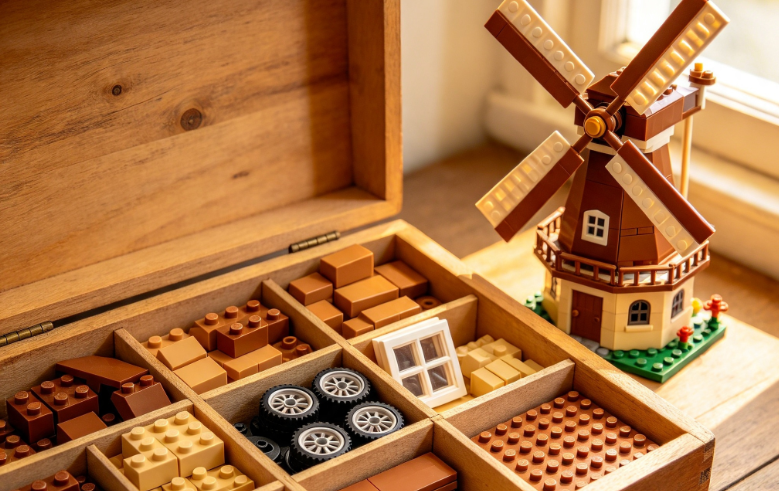
Variety and specialty pieces. A set built entirely from standard rectangular bricks offers plenty of creative potential, but specialty pieces, such as wheels, hinges, transparent bricks, or curved elements, often unlock entirely new categories of builds. Sets that blend classic pieces with a handful of specialty components tend to offer the best long-term value.
Instructions and rebuildability. Some sets are designed around a single model with no further guidance once that model is complete. Better sets include alternate build instructions or encourage open-ended construction, which meaningfully extends how long a child stays engaged with the same box of pieces.
Safety certification. This one is non-negotiable. In the European Union, look for the CE mark along with compliance to EN71 toy safety standards. In the United States and Canada, look for ASTM F963 compliance. These certifications confirm the product has been independently tested for choking hazards, material safety, and structural durability.
How to Compare LEGO Alternatives Like Morebybourn
The market leader in this space has built a reputation over decades, and that reputation is well earned. But the gap between established names and newer manufacturers has narrowed considerably, and brands like Morebybourn have carved out a loyal following by offering comparable build quality at a more accessible price.
When comparing alternatives, start with piece compatibility. Many of today's strongest interlocking building blocks are engineered to standard stud dimensions, which means a family's existing collection doesn't become stranded just because a new set comes from a different manufacturer. This is one of the more underrated advantages of exploring alternatives, since it allows a child's collection to grow seamlessly across brands rather than fragmenting into incompatible piles.
Next, look closely at design philosophy. Some manufacturers focus heavily on licensed sets tied to films or franchises, while others, including Morebybourn, lean into original architectural, vehicle, and creative-build designs that emphasize imagination over replicating a single picture on the box. If your child (or you, if this is a personal hobby) gravitates toward inventing original creations rather than following a strict template, this distinction is worth weighing carefully.
Price-to-value ratio is another area where alternatives frequently outperform expectations. Because smaller manufacturers typically avoid the licensing fees and marketing overhead carried by larger competitors, they can often deliver similar piece counts and build complexity at a noticeably lower cost. Browsing a range of current sets on the Morebybourn site is a useful way to see how pricing compares across different complexity levels before committing to a purchase.
Finally, don't overlook customer support and community resources. A brand that publishes clear building guides, responds promptly to support questions, and maintains an active base of builders sharing ideas tends to deliver a noticeably better ownership experience over time, especially for anyone planning to build out a collection over several years rather than buying a single, isolated set.
Step-by-Step Guide: Choosing the Right Set for Your Child
With the key features and comparison points in mind, here's a practical sequence for narrowing down your final decision.
Step 1: Define the purpose. Are you buying for open-ended creative play, a specific interest such as vehicles or architecture, or a more structured skill-building experience? Clarifying this upfront narrows the field considerably and prevents impulse purchases that don't match what your child actually enjoys.
Step 2: Match the set to current skill level, not the age printed on the box. A child with years of building experience may find an age-matched set too simple, while a true beginner might need something gentler than their age suggests. Watching how your child plays, rather than relying on packaging alone, gives a far more accurate read.
Step 3: Confirm certifications and read independent reviews. Verify the set meets relevant safety standards for your region, and skim a handful of reviews to catch recurring complaints about missing pieces, fragile components, or unclear instructions before you commit.
Step 4: Weigh long-term value over sticker price. A slightly more expensive set with rebuildable design, specialty pieces, and strong compatibility with future purchases often delivers more value over a year of play than a cheaper set that gets abandoned within a week.
Step 5: Compare across a few retailers and manufacturers. It's worth checking two or three options before settling on one. A quick visit to the Morebybourn collection page often reveals comparable build complexity at a more approachable price point than expected.
Step 6: Buy with room to grow. If your child shows strong interest in a particular theme, choose starter sets that can be expanded later with compatible add-ons, rather than isolated one-off purchases that can't be built upon.
Working through this sequence removes much of the guesswork from a process that otherwise tends to feel overwhelming, particularly during birthdays or holiday seasons when time is short and the number of available options feels endless.
How to Get the Most Out of Interlocking Bricks
Buying the right set is only half the equation. How a family stores, uses, and revisits these toys has a significant impact on how much long-term value they actually deliver.
Start with a dedicated building space, even if it's just a small bin or a corner of a table. Lost pieces are consistently the number one reason sets get abandoned prematurely, and a simple, consistent storage system prevents that frustration before it starts.
Encourage rebuilding rather than treating the included instruction booklet as a final destination. Once a child completes the suggested model, challenge them to create something entirely original using the same pieces. This single habit does more to extend the lifespan of any set than almost any other factor.
Mix pieces across sets rather than keeping each box separate. Combining classic building bricks from multiple sets opens up far more creative possibilities than any single box could offer on its own, and it reinforces the value of choosing compatible, interlocking systems in the first place.
Finally, rotate toys rather than leaving an entire collection out at once. Children often rediscover genuine enthusiasm for a set that's been tucked away for a few weeks, which meaningfully extends overall engagement without requiring a single new purchase.
Morebybourn Spotlight: Top Picks
For families specifically exploring Morebybourn as an alternative to the market leader, a few standout categories are worth highlighting.
The brand's architecture-inspired sets emphasize precision and patience over speed, making them a strong fit for older children, teens, or adult hobbyists looking for a more deliberate building experience. These sets also tend to hold up well over time thanks to sturdier piece construction and thoughtful engineering.
Their vehicle line pairs straightforward assembly with genuinely functional mechanisms, giving builders the satisfaction of a model that actually moves rather than one that simply sits on a shelf. This category resonates particularly well with builders aged seven and up who want more than a static display piece.
For younger or first-time builders, Morebybourn's starter kits use larger, simplified interlocking bricks that reduce early frustration while still delivering the satisfaction of a finished build, often serving as a gentle bridge before moving on to more intricate sets.
Across all three categories, the consistent thread is reliability: clear instructions, dependable piece compatibility, and a genuine focus on builds that invite repeat play. The full current lineup is available to browse on the Morebybourn product catalog, making it easy to compare specific sets side by side before deciding where to start.
Frequently Asked Questions
What's the real difference between classic building bricks and interlocking building blocks?
Classic building bricks refer specifically to the traditional rectangular, stud-and-tube pieces that form the foundation of most sets. Interlocking building blocks is a broader term covering that same core design along with larger pieces for younger children and specialty shapes used in more advanced builds. In practice, classic bricks are a subset of the wider interlocking building blocks category.
Are Morebybourn sets compatible with other major brands?
Most Morebybourn pieces are engineered to standard stud dimensions, which generally makes them compatible with other leading building brick systems. It's still worth checking individual product listings before purchasing, since compatibility can occasionally vary with specialty or themed pieces.
What age is appropriate for interlocking bricks?
Most standard-sized interlocking bricks are recommended for children aged 6 and up, while simplified sets with larger pieces are available for children as young as 3. Always cross-reference the manufacturer's suggested age range with your child's actual building experience rather than relying on the printed age alone.
How can I tell if a building brick set is genuinely safe?
Look for certifications relevant to your region. In the European Union, that means the CE mark along with EN71 compliance. In the United States and Canada, look for ASTM F963 compliance. These standards confirm the product has been tested for choking hazards, material toxicity, and structural durability.
Is it worth choosing a newer brand like Morebybourn over an established market leader?
Not necessarily as a rule, but it's worth serious consideration. Many newer manufacturers, Morebybourn included, offer comparable build quality, safety certification, and piece compatibility at a notably lower price, since they don't carry the same licensing fees or marketing costs as larger, long-established competitors. Comparing specific sets side by side remains the most reliable way to judge value, rather than assuming price alone reflects quality.
Keep Exploring
Read our companion guide, Choosing the Right Plastic Building Blocks: A Parent's Guide to Brick Building Sets in 2026, compare age picks in How to Choose Building Blocks for Kids, plan a growing collection with Building Toys for Kids: One System From Age 3 to 12, check brands in our compatible bricks comparison guide, and browse more picks in Best Lego Alternatives.
Order LEGO Alternatives From Morebybourn
We sell LEGO alternative sets and compatible bricks for kids, families, and adult builders. Want to order? Browse our available sets, contact our customer service team, or message us on WhatsApp and we'll help you place your order.
Order LEGO-Compatible Sets from Morebybourn
We sell LEGO alternative sets and compatible bricks for families, hobbyists, and collectors. Contact our customer service team for personal recommendations and help placing your order.