The Compatible Bricks Comparison Guide Every Builder Needs
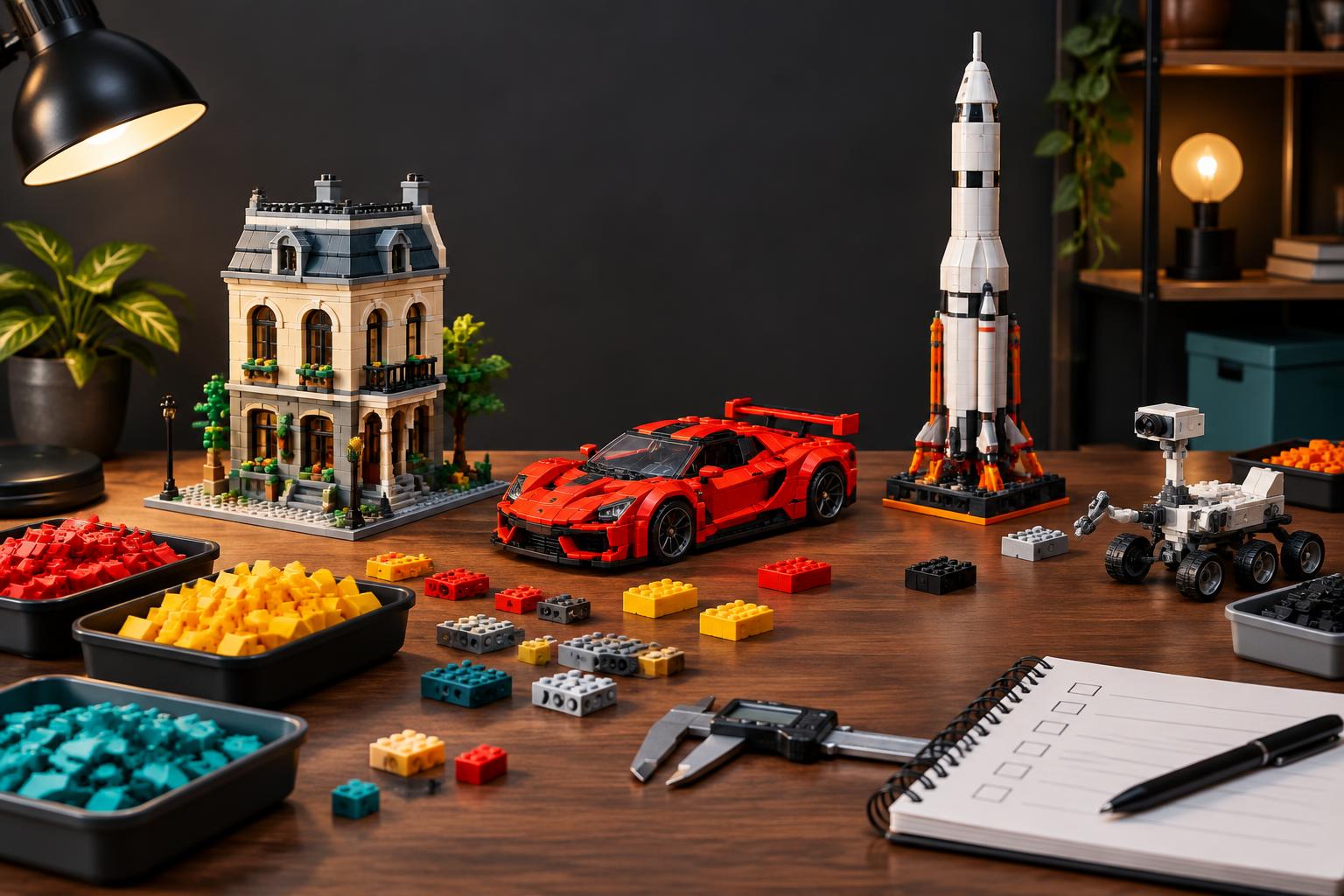
Quick answer: A compatible bricks comparison means evaluating LEGO alternative sets across five factors — plastic quality, clutch power, design complexity, price-to-value, and community feedback — before you buy. Buyers in the US and Europe who follow this process avoid wasted money on sets with poor stud fit, missing certifications, or weak customer support.
Picking a building set used to mean one brand, one price, one choice. That's no longer true. Dozens of manufacturers now produce bricks that snap into official sets without a second thought, and the gap in quality between them has never been wider. Some brands use the same ABS resin found in premium sets. Others cut corners with plastic that cracks, fades, or simply won't hold a connection after a few builds.
This is why a structured compatible bricks comparison matters more than ever. Without one, you're relying on marketing copy and guesswork — and in a market with dozens of overlapping brands, that's a costly way to shop. Whether you're building a 10,000-piece display model or picking out a starter set for a eight-year-old, the comparison process below gives you a repeatable method for separating genuinely good sets from the rest.
This guide walks through six comparison steps used by experienced builders, collectors, and parents across the US and Europe. By the end, you'll know exactly what to check before adding any LEGO alternative set to your cart.
Why a Compatible Bricks Comparison Matters
Compatibility isn't a yes-or-no question. A set can technically connect to official bricks while still falling short on tolerance, color match, or long-term durability. Industry tolerance for stud fit sits around ±0.01 mm — a margin so small that even minor manufacturing shortcuts show up immediately in how a brick clicks (or doesn't) into place.
For adult collectors building large architectural or vehicle models, inconsistent tolerance means visible gaps and a model that doesn't hold its shape. For parents buying sets for kids, it means pieces that pop apart mid-play or, worse, fail basic safety testing. A proper comparison catches both problems before money changes hands.
Price differences across compatible brands can run 40–70% below official sets, but that gap only makes sense if quality holds up. A disciplined compatible bricks comparison protects that value instead of assuming it.
Step 1: Define Your Buying Criteria Before You Compare
Before comparing a single brand, decide what the set needs to do. A display piece for a collector's shelf has different requirements than a rainy-day project for a seven-year-old.
Start with these questions:
- Who's building it? A child under 10 needs larger pieces and simpler instructions. An adult fan of LEGO (AFOL) can handle Technic mechanisms and 5,000+ piece counts.
- What's the end use? Display pieces prioritize detail and finish. Play sets prioritize durability and clutch strength.
- What's the budget ceiling? Compatible brands span a wide price range, and knowing your ceiling upfront prevents scope creep during comparison.
- Does it need to integrate with an existing collection? If you're adding to official LEGO pieces, tolerance and color accuracy matter more than if you're starting fresh with one brand.
Write these criteria down. They become the filter for every other step in this guide, and they keep a side-by-side comparison from turning into an unfocused scroll through product listings.
Step 2: Compare Plastic Quality and Safety Certifications
Plastic quality is the single biggest differentiator between a well-made LEGO alternative and a disappointing one. Look for ABS (acrylonitrile butadiene styrene) plastic specifically — this is the same food-contact-grade, BPA-free, phthalate-free resin used in official sets. Cheaper alternatives sometimes substitute ABS-PVC blends, which feel grittier, scratch more easily, and lose color faster under sunlight.
Safety certification is non-negotiable, especially for sets going to children. In the US, look for ASTM F963 compliance. In Europe, the equivalent standard is EN71. Both test for choking hazards, toxic substances, and mechanical durability. Any brand that doesn't list one of these certifications on its product page is a brand to skip, regardless of how good the renders look.
When you browse building sets, check the product description for both the plastic type and the certification standard before adding anything to your cart. This single step eliminates a large share of lower-tier competitors from your shortlist immediately.
Step 3: Test and Compare Clutch Power Across Brands
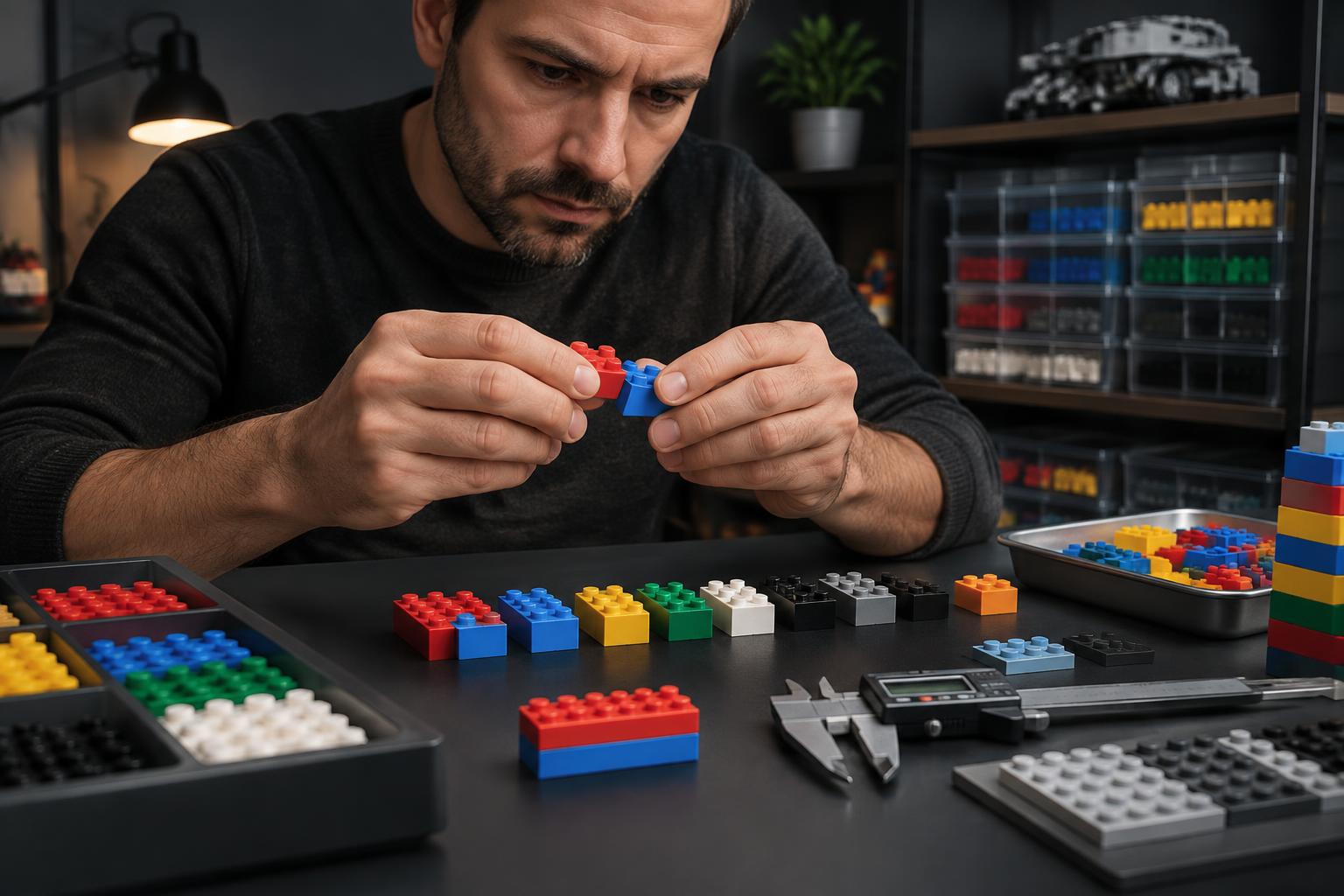
Clutch power — the grip strength between a stud and the piece it connects to — determines whether a model holds together during a build, a display, or a move across a shelf. It's also the hardest quality to judge from photos alone.
If you can test pieces in person or order a small set first, check for a few things:
- Does the piece snap in with a clean, audible click, or does it feel loose?
- Can you separate pieces without excessive force, or do they feel fused?
- After repeated connect-and-disconnect cycles, does the grip weaken?
Reviews and community forums are useful here, since experienced builders often comment specifically on clutch power in their feedback. Pay attention to recurring complaints about pieces falling apart, especially in larger builds where structural stress is higher. A brand with consistently strong clutch reviews across multiple set types is a safer bet than one with mixed feedback, even if the second brand is cheaper.
Step 4: Compare Set Design, Complexity, and Instruction Quality
Design quality covers more than piece count. It includes how closely a set matches its reference (a building, vehicle, or character), how well the instructions guide the build, and how much thought went into structural stability.
For adult collectors and AFOLs, complexity is often the whole point — a 10,000-piece architectural model with Technic-driven mechanisms offers a different kind of satisfaction than a 300-piece starter kit. For family buyers, instruction clarity matters more. Look for sets with numbered steps, color-coded diagrams, and English-language instructions if you're shopping from the US or UK.
A quick way to compare design quality: check whether the manufacturer publishes a piece count, estimated build time, and a difficulty or complexity rating on the product page. Brands that are confident in their design transparently share this information. Brands that aren't tend to leave it out.
Step 5: Compare Price-to-Value Across Compatible Brands
Price-to-value is where most of the savings from LEGO alternatives actually show up — but only if the first four comparison points hold up. A set priced 70% below its official equivalent isn't a deal if the plastic cracks within a month or the clutch power fails after a dozen rebuilds.
To compare price-to-value fairly:
- Calculate the price per piece (total price ÷ piece count) for each set under consideration.
- Compare that number against sets of similar complexity and piece count, not just similar themes.
- Factor in certification and plastic quality from Step 2 — a slightly higher price for ASTM/EN71-certified ABS plastic is almost always worth it.
- Check for hidden costs like customs fees or long shipping windows, which can erase an apparent discount.
Choose the lower-priced option if the certification, plastic quality, and clutch power are equivalent. Choose the higher-priced option if any of those three factors differ — the extra cost buys durability that a lower sticker price can't make up for later.
Step 6: Use Community Reviews to Finalize Your Comparison
Specification sheets only tell part of the story. Community reviews fill in the rest — how a set performs after months of handling, how a company responds to missing pieces, and whether the box matches what actually arrives.
Look for reviews on dedicated building-block forums, Reddit communities for AFOLs, and YouTube build videos, which often show clutch power and finish quality in real time. Pay closer attention to patterns across multiple reviewers than to any single comment. A handful of complaints about missing pieces is normal; a recurring pattern of unresolved missing-piece issues signals a weak customer support process.
This step is also where you confirm your Step 1 criteria still hold. If reviewers consistently praise a set's display value but note it's not beginner-friendly, that's useful information if you're buying for a first-time builder.
Where Morebybourn Stands in the Comparison
Morebybourn curates sets from established manufacturers — including Cada, Mould King, Reobrix, Sembo, and Wekki — rather than producing a single in-house line. That curation model matters in a compatible bricks comparison, because it means each listed set has already cleared a quality filter before it reaches the catalog.
Every set sold through Morebybourn uses ABS plastic manufactured to the same ±0.01 mm stud tolerance as official bricks, and sets intended for children carry ASTM F963 or EN71 certification. Orders ship from a US warehouse with 3–5 day delivery and include English instructions — a detail that matters for Step 4 of this guide. A 30-day return policy and ongoing customer support cover the trust gap that Step 6 highlights as a common weak point among lesser-known sellers.
For collectors comparing large-scale display models, Mould King and Reobrix sets available through Morebybourn's collection tend to score well on Step 3's clutch-power criteria, particularly in Technic-driven builds. For family buyers, Sembo and Wekki sets lean toward the simpler instruction style that Step 4 recommends for younger builders. Readers who want a deeper breakdown of packaging and retailer trustworthiness can also check Morebybourn's guide to compatible bricks packages for additional sourcing tips.
For a hands-on inspection workflow, use our compatible bricks treatment review alongside this comparison.
Final Verdict: Build Your Comparison, Then Build Your Set
A reliable compatible bricks comparison isn't a single check — it's six. Plastic quality and certification rule out unsafe or low-durability options. Clutch power confirms the build will actually hold together. Design and instruction quality determine whether the build experience matches your skill level. Price-to-value keeps the savings real instead of illusory. Community reviews catch the problems that spec sheets never mention.
Run a set through all six steps before buying, not just the one or two that feel most urgent. The sets that pass every step are the ones worth adding to a collection, a classroom, or a kid's shelf.
Ready to put this comparison process to work? Explore Morebybourn's building sets and shop with every one of these six factors already built into the catalog.
FAQ
What's the difference between a compatible bricks comparison and a compatible bricks review?
A comparison evaluates multiple brands or sets against each other across shared criteria like plastic quality, clutch power, and price. A review focuses on a single set's performance in depth. Use a comparison to shortlist options, then read individual reviews to confirm your final pick.
Are compatible bricks actually safe for kids?
Reputable LEGO alternative brands are certified to ASTM F963 (US) or EN71 (EU) toy safety standards, which test for toxic substances and choking hazards. Always check for one of these certifications before buying for children under 8, and follow the manufacturer's recommended age range.
How much can I expect to save by choosing compatible bricks over official LEGO sets?
Buyers typically save 40–70% on equivalent sets, provided the compatible brand matches official bricks on plastic quality and stud tolerance. Savings below that range or sets priced suspiciously low often indicate lower-grade plastic or missing certifications.
Do compatible bricks really connect with official LEGO pieces?
Yes, when manufactured to the standard ±0.01 mm stud tolerance. Brands like those curated by Morebybourn meet this tolerance, allowing pieces to mix freely with existing LEGO collections without loose connections or visible gaps.
What should I do if a compatible bricks set arrives with missing pieces?
Contact the retailer's customer support immediately with your order number and a list of missing pieces. Reputable sellers, including Morebybourn, replace missing or broken pieces at no extra cost, so this shouldn't factor into your buying decision if you're purchasing from a trusted source.
Order LEGO Alternatives From Morebybourn
We sell LEGO alternative sets and compatible bricks for adult collectors, families, and creative builders. Ready to order? Browse our available sets, contact our customer service team, or message us on WhatsApp and we will help you place your order.
Order LEGO-Compatible Sets from Morebybourn
We sell LEGO alternative sets and compatible bricks for families, hobbyists, and collectors. Contact our customer service team for personal recommendations and help placing your order.