How to Choose the Right Compatible Bricks Alternatives in 2026

TL;DR: Compatible bricks alternatives are brick sets built to the same stud dimensions as official LEGO pieces, letting them connect and mix freely. The best picks match LEGO's 0.01mm stud tolerance, carry ASTM F963 or EN71 safety certification, and come from established manufacturers like Mould King, Cada, or Reobrix. Check tolerance, safety certs, price-per-piece, and shipping support before buying.
Why Builders Are Looking Beyond LEGO
Brick building has outgrown the toy aisle. Adult fans build 10,000-piece skyline replicas on their dining tables. Parents hunt for STEM sets that keep kids off tablets for an afternoon. Collectors chase limited runs the way others chase sneakers. And a growing wave of creators design their own models instead of following the instruction booklet at all.
LEGO still sits at the center of that culture, but its price tag doesn't always match the ambition of the builder. A single Creator Expert set can run close to $800. That's a real barrier for someone who wants to build five cities, not one.
This is where compatible bricks alternatives come in. These are brick systems engineered to physically and functionally match official LEGO bricks, often at 40–70% lower cost. For the IT professional decompressing with a 6,000-piece space station, the parent building a city skyline with their eight-year-old, or the designer sketching original Technic mechanisms, these alternatives have become a serious part of the hobby — not a knockoff of it.
This guide breaks down what makes a brick set genuinely LEGO-compatible, how to evaluate one before buying, and which brands are worth your shelf space.
What Are Compatible Bricks Alternatives?
Compatible bricks alternatives are building block sets manufactured by companies other than LEGO that are designed to physically interlock with official LEGO pieces. They use the same stud-and-tube connection system, matching dimensions down to fractions of a millimeter, so a brick from one brand clicks into a brick from another without gaps, wobble, or breakage.
This isn't the same as a generic "building blocks" toy sold at a discount store. Those often use a looser, incompatible stud pattern purely to avoid patent issues. True compatible alternatives are precision-manufactured to interlock with existing LEGO collections, which means years of accumulated bricks, baseplates, and minifigures stay usable no matter which brand fills the gaps.
For builders with an existing collection, this compatibility is the whole point. A Mould King Technic set can share gears with an official LEGO Technic kit. A Reobrix skyscraper can sit next to a LEGO Architecture model on the same baseplate. The hobby stays unified even as the brand on the box changes.
How to Evaluate a Compatible Bricks Alternative (Quality, Safety, Compatibility)
Not every set that claims compatibility actually delivers it. Before buying, three factors separate a worthwhile purchase from a frustrating one.
Quality comes down to the plastic itself. Reputable brands use ABS (acrylonitrile butadiene styrene), the same food-contact-grade resin LEGO uses. ABS resists warping, holds color well, and keeps its clutch power — the gripping tension between studs — over years of assembly and disassembly. Cheaper sets sometimes substitute lower-grade plastic that feels brittle or discolors under sunlight.
Safety is non-negotiable, especially for family builders. In the US, look for ASTM F963 certification. In the EU, the equivalent is EN71. Both standards test for choking hazards, toxic substances, and mechanical durability. A set without either certification listed anywhere on the packaging or product page is a red flag, regardless of how good the reviews look.
Compatibility is the hardest to verify from a product photo. Stud tolerance — the precision of the connecting studs — needs to be within about 0.01mm of official LEGO specifications. Anything looser and bricks feel wobbly; anything tighter and they're difficult to separate without tools. The best way to confirm this is checking manufacturer specs or community reviews from builders who've tested the pieces against an existing LEGO collection.
Step-by-Step Guide: How to Choose the Right Compatible Bricks Alternative
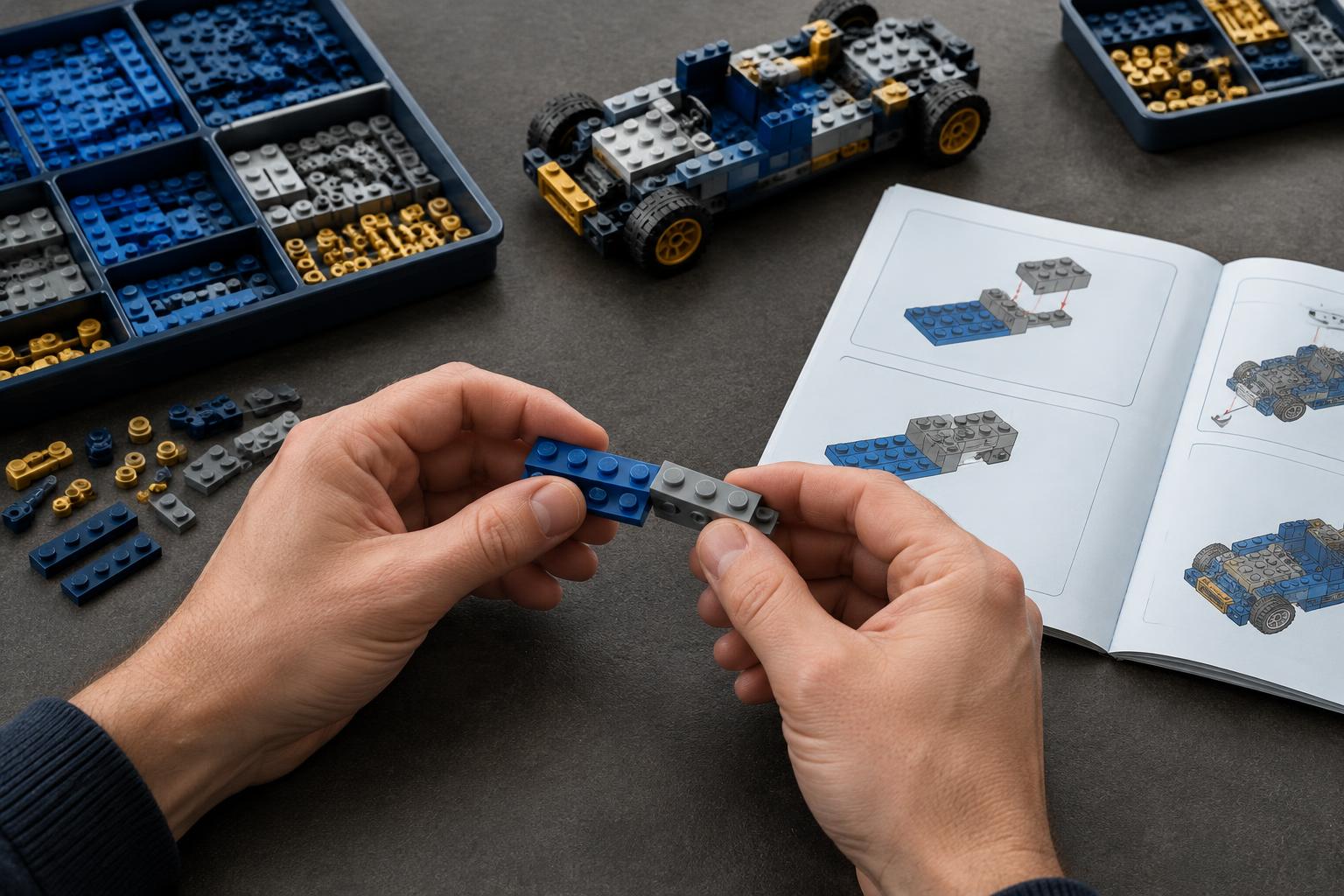
Step 1: Identify Your Build Goals
Start with what you actually want to build. A weekend hobbyist assembling a display model has different needs than a parent buying for a six-year-old's birthday. Adult collectors tend to prioritize piece count and detail — sets in the 2,000 to 10,000-piece range with intricate facades or moving parts. Family buyers generally do better with sets under 500 pieces, chunky bricks, and color-coded instructions that a young builder can follow independently. Creators designing original models care less about a specific set and more about bulk piece packs in varied shapes and colors.
Step 2: Check Stud Tolerance and Clutch Power
Once you know what you're building, check whether the bricks will actually hold together — and hold up to your existing collection. Clutch power is the force needed to connect and separate two bricks. Too weak, and your model collapses under its own weight. Too strong, and you risk snapping delicate pieces during disassembly. Manufacturers that publish tolerance specs or third-party compatibility tests are generally more trustworthy than those that only market the word "compatible" without backing it up.
Step 3: Verify Safety Certifications (ASTM F963 / EN71)
This step matters most for family and children's sets, but it's worth checking regardless of who's building. Confirm the listing or packaging references ASTM F963 for US sales or EN71 for EU sales. These certifications test for small-part hazards, chemical safety, and structural integrity. If a product page doesn't mention either standard, reach out to the seller directly before purchasing, especially for sets intended for kids under 8.
Step 4: Compare Price and Value
Price-per-piece is a more useful metric than sticker price alone. A $200 set with 3,000 pieces offers better value than a $150 set with 1,200 pieces, assuming comparable quality. Compatible alternatives typically run 40–70% cheaper than official LEGO equivalents, which means the savings add up fast for anyone building a multi-set collection. Watch for seasonal sales and bundle deals — many retailers, including Morebybourn, run rotating discounts on best-selling sets.
Step 5: Review Theme and Set Variety
Builders stick with a hobby longer when there's always a next set worth chasing. Architecture, space, city, and vehicle themes each attract different interests — some builders want skylines, others want spacecraft, others want detailed car models. Browsing a retailer's full catalog, such as Morebybourn's collection of sets across architecture, space, vehicles, and city themes, gives a sense of whether a brand can keep up with your interests long-term, not just for one purchase.
Step 6: Confirm Shipping and Support
Even the best set is a disappointment if it arrives broken, incomplete, or stuck in customs for a month. Check estimated delivery windows, international shipping policies, and what happens if a piece is missing from the box. Brands that offer responsive customer support and replacement-part policies make the entire hobby lower-risk, particularly for collectors buying higher-value sets.
Top Compatible Bricks Alternative Brands to Know
A handful of manufacturers have built reputations strong enough to rival LEGO's own quality benchmarks:
- Mould King — known for large-scale Technic sets and motorized mechanisms, popular with adult collectors who want engineering complexity.
- Cada — produces detailed vehicle and architecture sets with strong clutch power and accurate color matching.
- Reobrix — specializes in large display models, including skyscrapers and landmark replicas, aimed at collectors who prioritize shelf presence.
- Sembo and Wekki — generally better suited to younger builders, with simpler instructions and sturdier, chunkier pieces.
Each brand has its own strengths, which is why curated retailers that test and vet multiple manufacturers tend to save builders from costly trial and error.
Why Morebybourn Stands Out
Morebybourn curates sets from trusted manufacturers — including Mould King, Cada, and Reobrix — rather than selling everything on the market indiscriminately. Every set is vetted against ABS quality, print durability, and clutch-power benchmarks before it's listed.
Sets ship from a US warehouse with 3–5 day delivery and come with English instructions, which removes two of the biggest pain points in buying overseas-manufactured building blocks. All products are backed by real customer support, not an automated ticket queue, and the site runs detailed buying guides so builders can compare options before committing.
For builders weighing multiple compatible bricks alternatives, having one source that's already filtered out the low-quality manufacturers cuts down research time significantly.
Common Mistakes to Avoid When Buying Compatible Bricks Alternatives
Buying on price alone. The cheapest set is sometimes cheap for a reason — thinner plastic, weaker clutch power, or no safety certification at all.
Skipping the certification check. ASTM F963 and EN71 labels take seconds to verify and prevent far bigger problems later, especially for sets going to children.
Ignoring piece-count-to-price ratio. A flashy box doesn't always mean good value. Compare price per piece before adding to cart.
Assuming all "compatible" claims are equal. Marketing copy isn't verification. Look for actual tolerance specs or community testing when possible.
Overlooking shipping terms. International orders can come with customs fees or long delays if the retailer doesn't handle logistics clearly upfront.
Building Smarter, Not Just Cheaper
Choosing the right compatible bricks alternatives isn't about finding the lowest price — it's about finding bricks that actually click into your existing collection, hold up over years of building and rebuilding, and meet safety standards that matter for the people using them. Whether the goal is a stress-relieving weekend project, a STEM afternoon with the kids, or a display-worthy collector's piece, the fundamentals stay the same: check the tolerance, confirm the certification, and buy from a source that stands behind what it sells.
Start by browsing a curated catalog, compare a few sets against the steps above, and build from there.
Compare more options in our Best Lego Alternatives guides, read Compatible Bricks vs IKEA: Which Building Sets Actually Win?, and use our compatible bricks comparison and price guide before ordering.
Frequently Asked Questions
Are compatible bricks alternatives actually safe for kids?
Yes, as long as the set carries ASTM F963 (US) or EN71 (EU) certification. These standards test for choking hazards, toxic substances, and structural durability. Always check the age recommendation on the packaging too, since smaller pieces are generally rated for ages 8 and up.
How much cheaper are compatible bricks alternatives than official LEGO sets?
Most alternatives cost 40–70% less than comparable official LEGO sets, depending on the brand and set size, without sacrificing clutch power or print quality when sourced from reputable manufacturers.
Will compatible bricks alternatives actually connect with my existing LEGO collection?
Sets manufactured to a stud tolerance within roughly 0.01mm of official LEGO specifications will connect seamlessly. Confirm this tolerance through manufacturer specs or community testing before buying, since not every brand on the market meets this standard.
What's the best compatible brick brand for adult collectors versus kids?
Adult collectors generally prefer Mould King or Reobrix for large-scale, detailed display models. Families with younger builders tend to do better with Sembo or Wekki, which use chunkier pieces and simpler instructions.
What should I do if my order arrives with missing or broken pieces?
Contact the retailer's customer support directly with your order number and a description of the missing or damaged pieces. Reputable sellers, including Morebybourn, offer replacement policies for exactly this situation.
Order LEGO Alternatives From Morebybourn
We sell LEGO alternative sets and compatible bricks for families, hobbyists, and collectors. Browse our available sets, contact our customer service team, or message us on WhatsApp for recommendations and help placing your order.
Order LEGO-Compatible Sets from Morebybourn
We sell LEGO alternative sets and compatible bricks for families, hobbyists, and collectors. Contact our customer service team for personal recommendations and help placing your order.