Compatible Bricks Price: The Buyer's Guide for LEGO Alternatives
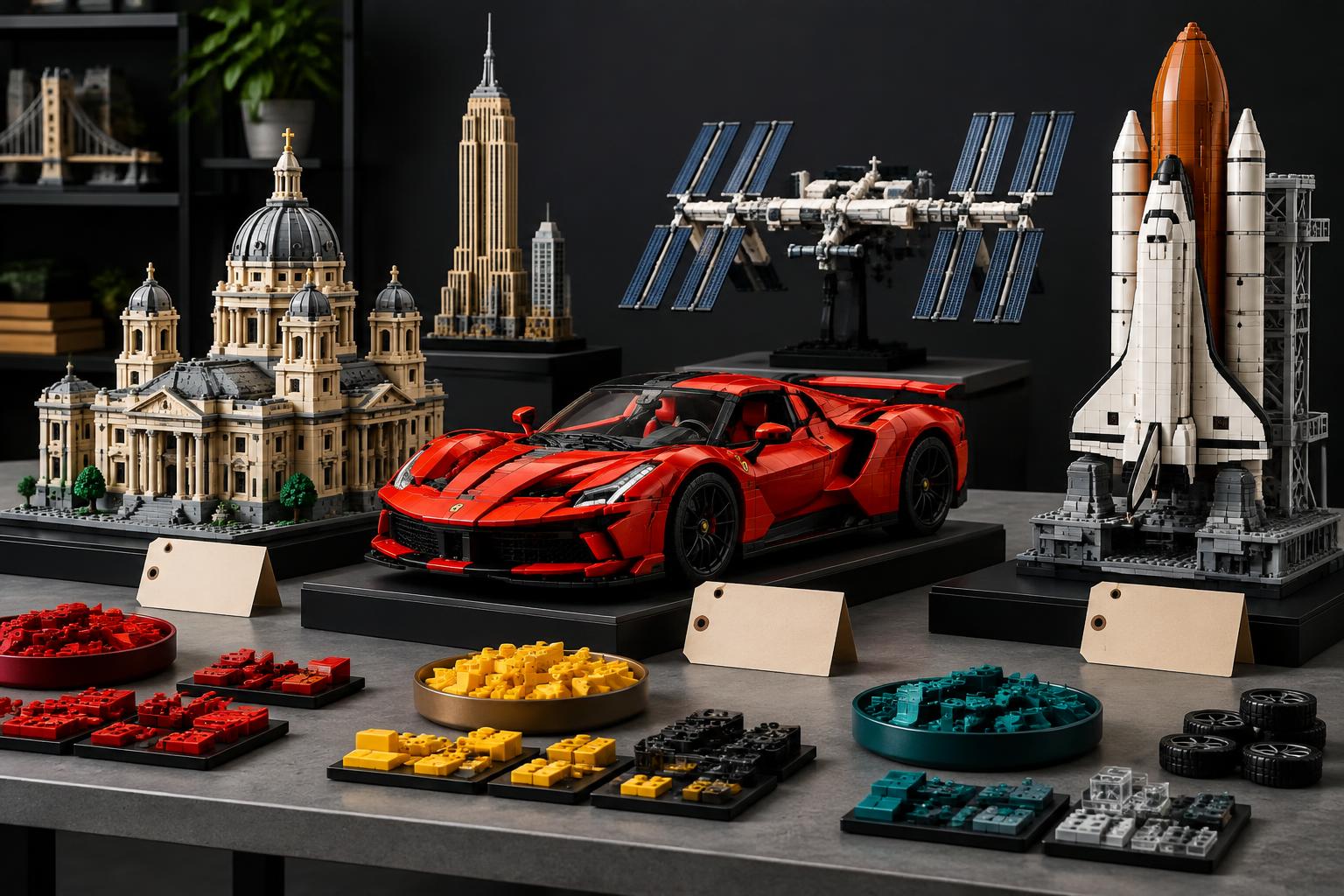
Quick answer: Compatible bricks price depends on piece count, ABS plastic grade, brand reputation, and licensing costs. Expect to pay $0.03–$0.08 per piece for quality alternatives, compared to $0.10–$0.15 for official LEGO sets. Brands like Mould King, Cada, and Reobrix offer 40–70% savings without sacrificing clutch power or stud tolerance — as long as you check for ASTM F963 or EN71 safety certification first.
If you've spent any time browsing building block sets online, you've probably noticed something: prices vary wildly between brands, even when the sets look nearly identical. A 2,000-piece space cruiser might cost $60 from one brand and $180 from another. So what's actually driving that gap? And how do you know when a lower price signals a good deal versus a corner-cutting one?
This guide breaks down exactly what shapes compatible bricks price across the market, how to compare offers between brands without getting fooled by inflated "original" prices, and a step-by-step process for finding real value on your next build. Whether you're an adult collector chasing a 5,000-piece architectural model or a parent trying to stretch a holiday budget across three kids' wish lists, understanding pricing mechanics will save you money — and headaches — down the line.
How to Compare Compatible Bricks Price Across Brands
What Affects Compatible Bricks Price?
Not all bricks are priced the same, and that's not random. Several concrete factors determine what you'll pay for a set, and knowing them helps you spot when a price is fair, inflated, or too good to be true.
Piece Count and Set Complexity
The most obvious driver of compatible bricks price is piece count. A 500-piece city set will always cost less than a 3,000-piece Technic-style vehicle with moving parts. But piece count alone doesn't tell the whole story — a 1,000-piece set with intricate curved panels or printed tiles costs more to produce than a 1,000-piece set made of simple rectangular bricks.
Material Quality
Premium sets use high-grade ABS plastic manufactured to tight stud tolerances (often within ±0.01 mm), which is what gives bricks that satisfying "clutch" when you snap them together. Lower-tier manufacturers cut costs by using recycled or lower-grade ABS, which affects fit, color consistency, and long-term durability. This difference in material cost shows up directly in the final price tag.
Licensing and IP Costs
Sets based on movies, games, or real-world landmarks (think pirate ships, national monuments, or trophy replicas) often carry licensing fees that official brands pass on to consumers. Compatible brick brands that design original or generic-themed sets typically skip these fees, which is one reason their compatible bricks price point sits lower even at similar piece counts and quality levels.
Brand Reputation and Manufacturing Scale
Established manufacturers with large production runs benefit from economies of scale, lowering their per-unit costs. Newer or smaller brands may charge more per piece simply because they haven't reached that production volume yet — or they may charge less to build market share, which is worth watching for when a deal seems unusually generous.
Shipping and Import Fees
Where a set ships from matters too. Sets shipped directly from overseas warehouses can carry longer delivery windows and unpredictable customs fees, while sets shipped from a domestic warehouse — like Morebybourn's US-based inventory — tend to have more predictable, all-in pricing with faster delivery.
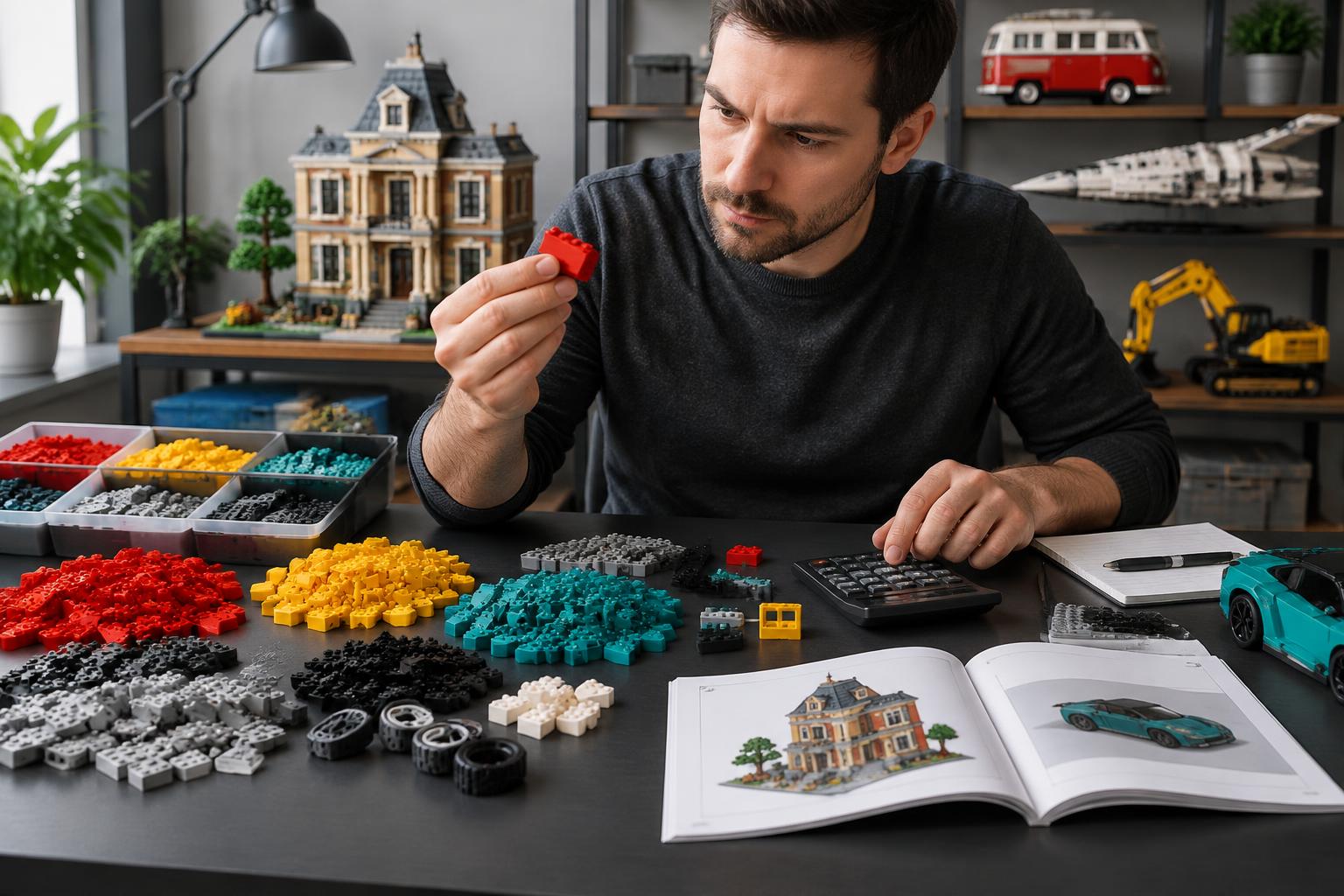
Comparing prices across brands isn't as simple as looking at the sticker total. Here's how to actually evaluate whether one set offers better value than another.
Calculate Price Per Piece
This is the single most useful metric for comparing sets of different sizes. Divide the total price by the piece count. A $90 set with 1,800 pieces costs $0.05 per piece. A $70 set with 900 pieces costs $0.078 per piece — meaning the $90 set is actually the better deal, despite the higher sticker price.
Watch for Inflated "Original" Prices
Many online stores list a high "original" price next to a heavily discounted "sale" price. Sometimes this reflects a genuine promotion. Other times, the "original" price was never real to begin with, and the discount is purely psychological. Cross-check a set's price history using browser extensions or by comparing the same model across two or three retailers before assuming you're getting a deal.
Factor in What's Included
Two sets with the same compatible bricks price might not be equal. Check whether the box includes extra pieces for potential lost parts, printed (versus sticker) tiles, storage bags, and clear instruction booklets. These details affect both the building experience and the long-term value of the set.
Compare Certification and Warranty Terms
A cheaper set with no safety certification and no replacement-parts policy is a bigger risk than a slightly pricier set backed by a 30-day return window and a missing-piece guarantee. Factor the "insurance" value of good customer support into your price comparison — it often justifies a few extra dollars.
Step-by-Step: How to Find the Best Deal on Compatible Bricks
Ready to actually shop? Follow these five steps to land on a set that fits your budget and your standards.
Step 1: Define Your Budget and Set Goals
Decide what you're building for — a display piece, a gift, a STEM project with your kids, or a personal collection milestone. Your goal shapes your budget. A one-off display model justifies spending more per piece for detail and finish. A rotating collection of smaller builds favors sets with a lower compatible bricks price per unit so you can buy more variety.
Step 2: Research Price Per Piece
Once you know your budget, shortlist three or four sets in your target category (space, architecture, vehicles, city) and calculate the price per piece for each. This step alone eliminates sets that look cheap on the surface but are actually a worse deal once piece count is factored in.
Step 3: Check Quality Indicators
Look for ABS plastic specifications, stud tolerance claims, and safety certifications like ASTM F963 (US) or EN71 (EU). Read the product description carefully — reputable sellers will state these details clearly rather than burying them.
Step 4: Look for Promotions and Bundles
Seasonal sales, first-order discounts, and multi-set bundles can meaningfully shift your final cost. For example, Morebybourn's Top 10 Best Sellers page regularly features ready-to-ship sets at up to 70% off — a fast way to find strong value without digging through the full catalog.
Step 5: Read Reviews Before Buying
Reviews reveal what spec sheets don't: whether pieces actually snap together well, whether instructions are clear, and whether customer support responds when something's missing. A set with a slightly higher compatible bricks price but consistently strong reviews is usually the safer bet over a cheaper, unreviewed alternative.
Why Morebybourn Offers Strong Value
Morebybourn curates sets from established manufacturers — including Cada, Mould King, and Reobrix — that meet strict benchmarks for ABS quality, clutch power, and print durability. Every set ships from a US warehouse with 3–5 day delivery, arrives with English instructions, and is backed by real customer support rather than an automated ticket queue.
That combination matters when you're evaluating compatible bricks price against risk. A set that ships fast, includes clear documentation, and comes with a 30-day return policy carries less hidden cost than a bargain-bin alternative that might arrive damaged, delayed, or missing pieces. Browse the full catalog to compare piece counts, categories, and current promotions side by side.
For collectors chasing large-scale display pieces, or families looking for STEM-friendly builds that hold up to repeated hands-on use, that reliability is often worth more than a few extra dollars saved elsewhere.
Tips for Getting the Most Out of Your Purchase
- Buy during seasonal promotions. Holiday sales, anniversary discounts, and clearance events are the best times to catch premium sets at a lower compatible bricks price without compromising on quality.
- Join the builder community. Sharing progress, tips, and troubleshooting with other collectors — whether through brand forums or social groups — often surfaces deals and quality warnings before they hit review sites.
- Store loose pieces properly. Labeled sorting drawers or the original numbered bags keep parts organized for future rebuilds and protect your investment over time.
- Protect finished builds. A dust-proof acrylic case shields completed models from UV fading and dust buildup, which matters most for display-focused collectors.
- Register for restock alerts. Popular sets sell out fast, especially limited editions — signing up for notifications means you won't miss a good price window.
Build Smarter, Not Just Cheaper
Chasing the lowest number on the price tag isn't the same as chasing the best value. The real skill in shopping for compatible bricks is knowing what's behind that number — piece count, material grade, certification, and support — and weighing it against what you actually need from the set.
Start by calculating price per piece on your next few shortlisted sets, check for safety certification, and read a handful of reviews before you commit. Do that consistently, and you'll build a collection that holds up — both in quality and in what you paid for it.
Frequently Asked Questions
Is a lower compatible bricks price always a sign of lower quality?
Not necessarily. A lower price can reflect efficient manufacturing, no licensing fees, or a promotional discount rather than poor quality. The key is checking ABS plastic grade, stud tolerance, and safety certification alongside the price — not price alone.
How much should I expect to pay per piece for a quality set?
Quality compatible brick sets typically run $0.03–$0.08 per piece, compared to $0.10–$0.15 for official LEGO sets. Highly detailed or licensed sets may sit at the higher end of that range even among compatible brands.
Are cheaper compatible brick brands safe for children?
Reputable brands sold through established retailers are certified to ASTM F963 (US) or EN71 (EU) toy safety standards. Always confirm certification before buying for children, and follow recommended age guidance — usually 8+ for sets with small pieces or Technic components.
What's the risk of buying from an unfamiliar overseas seller with rock-bottom prices?
The main risks are longer shipping times, unpredictable customs fees, inconsistent quality control, and limited recourse if pieces are missing or damaged. Sets shipped from a domestic warehouse with clear return policies generally carry less hidden risk.
Does a higher price always mean better clutch power and durability?
Generally yes, but not always proportionally. Clutch power depends on manufacturing precision, not just brand markup. Reading reviews and checking stud tolerance claims is more reliable than assuming price alone reflects build quality.
Order LEGO Alternatives From Morebybourn
We sell LEGO alternative sets and compatible bricks for adult collectors, families, and creative builders. Ready to order? Browse our available sets, contact our customer service team, or message us on WhatsApp and we will help you place your order.
Order LEGO-Compatible Sets from Morebybourn
We sell LEGO alternative sets and compatible bricks for families, hobbyists, and collectors. Contact our customer service team for personal recommendations and help placing your order.