Your Guide to a Winning Compatible Bricks Consultation
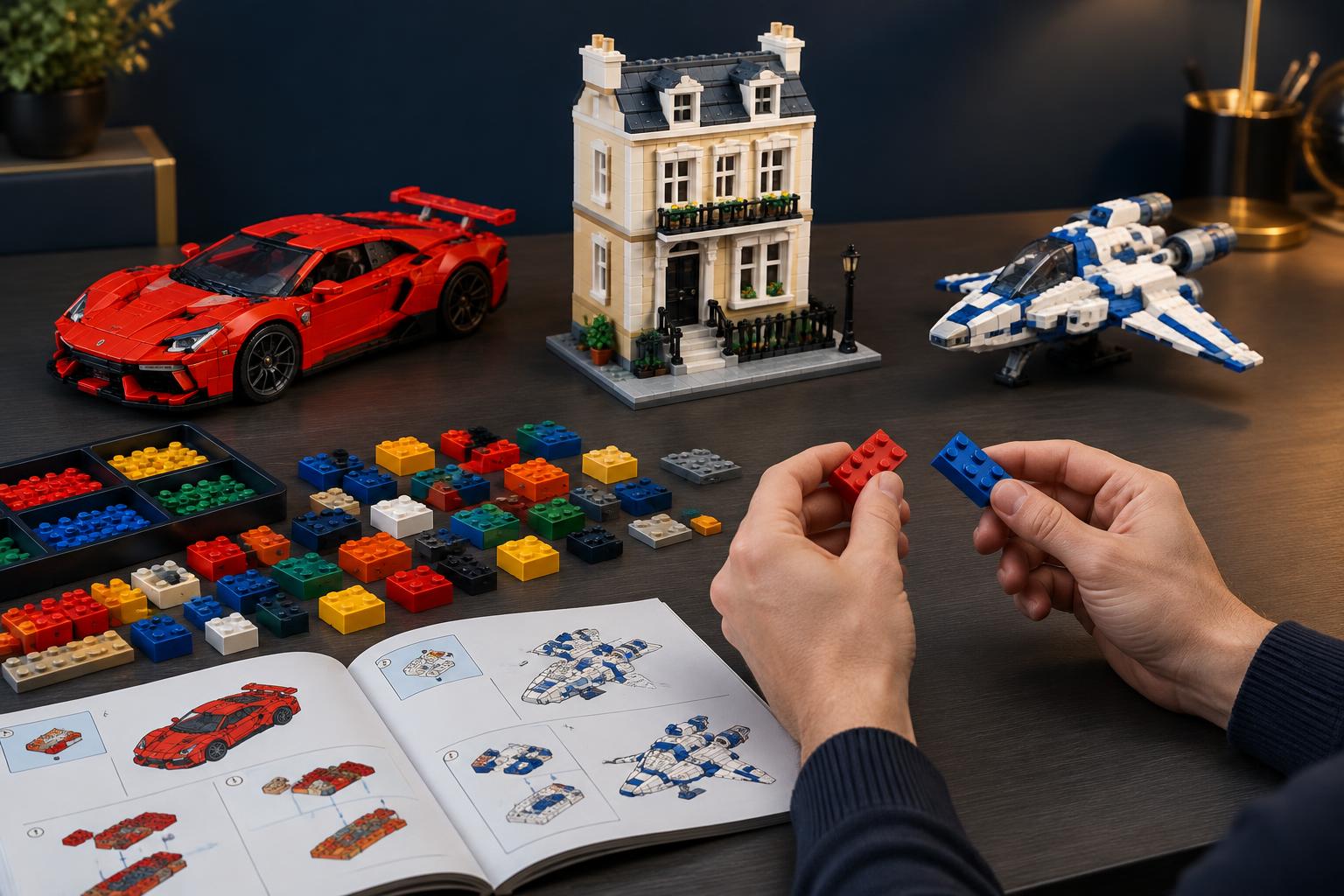
Quick answer: A compatible bricks consultation is the research and planning process builders use before buying LEGO-alternative sets — comparing brands, checking ABS quality and safety certifications, and matching sets to skill level and budget. Builders across Europe and North America rely on this process to avoid wasted money on poor-fit sets and to build a collection that actually lasts.
Compatible bricks have moved from niche forums to mainstream shopping carts. Across Europe and North America, adult builders, parents, and collectors are discovering that brands like Cada, Mould King, and Reobrix deliver the same stud-for-stud connection as official sets — at a fraction of the price. Search interest for "LEGO alternative" and "compatible bricks" has climbed steadily over the past few years, and it's not hard to see why: budgets are tighter, display shelves are fuller, and builders want more bricks for their money without compromising on quality.
But jumping into a purchase without doing your homework is how collections end up full of mismatched pieces, brittle plastic, and instructions nobody can read. That's where a proper compatible bricks consultation comes in. Think of it as the planning phase every serious builder — whether you're a weekend hobbyist, a parent buying for a curious 8-year-old, or a collector chasing a 5,000-piece landmark model — should go through before clicking "buy."
This guide walks through exactly how to run your own consultation, step by step, so your next set earns a permanent spot on the shelf instead of a return label.
What Is a Compatible Bricks Consultation and Why It Matters
A compatible bricks consultation is simply the process of evaluating your options — brands, materials, price points, and safety credentials — before committing to a set. It's not a formal appointment with a salesperson. It's the research habit that separates satisfied builders from frustrated ones.
Here's why it matters: not all "LEGO-compatible" bricks are created equal. Some manufacturers use low-grade ABS that cracks under pressure or doesn't hold its clutch power after repeated builds. Others skip safety testing entirely, which is a real concern if the set is headed for a child's playroom. A quick consultation before purchase helps you spot these red flags early.
For adult enthusiasts, this step protects your time investment in a 3,000-piece architectural build. For parents, it protects your child's safety. For collectors, it protects the long-term display value of a set you might keep for years. Across every builder type, the goal of a consultation is the same: confidence before checkout, not regret after delivery.
Step 1: Define Your Building Goals Before the Consultation
Before comparing a single brand, get clear on what you're actually trying to build — and why.
Ask yourself:
- Am I building for relaxation, collection, or education? A stress-relief hobbyist wants a different experience than a parent sourcing a STEM set for a 10-year-old.
- What's my skill level? Beginners do better with sets under 1,000 pieces and chunky, forgiving bricks. Experienced builders can handle Technic mechanisms and 5,000+ piece landmark models.
- Is this a one-off purchase or the start of a collection? If you're planning to expand later, compatibility across multiple brands becomes a bigger priority.
- Who's the end user? A set for a 6-year-old needs different safety and complexity standards than one built by an adult collector for display.
Writing these goals down — even in a quick note on your phone — turns your next steps from guesswork into a focused search. This is the foundation of any effective compatible bricks consultation, and skipping it is the number one reason builders end up with sets that don't fit their actual needs.
Step 2: Research Compatible Brick Brands (Featuring Morebybourn)
Once your goals are clear, it's time to look at who's actually making quality compatible bricks. The market includes dozens of manufacturers, but quality varies enormously between them.
Look for brands that:
- Use high-grade ABS plastic manufactured to tight stud tolerances (around 0.01 mm) for a true, secure connection
- Carry EN71 certification for the European market or ASTM F963 for the US
- Publish clear piece counts, instructions, and age recommendations
- Have a track record of positive reviews from real builders
Morebybourn curates sets from globally trusted manufacturers, including Cada, Mould King, and Reobrix — brands known for meeting strict ABS quality and clutch-power benchmarks. Every set ships with English instructions from a US warehouse, which matters if you've ever tried to follow assembly steps translated badly from another language.
If you're building toward a specific theme, browsing by category makes this step faster. Collectors chasing landmark builds can check out the architecture collection, while builders drawn to sci-fi and large-scale vehicles might prefer the space sets. Comparing a few options side by side — piece count, price, and reviews — is a core part of any thorough compatible bricks consultation.
Step 3: Know What to Ask During Your Compatible Bricks Consultation
Whether you're reading product pages, messaging a retailer's support team, or comparing listings, certain questions consistently separate a confident purchase from a risky one:
- What safety certifications does this set carry? EN71 (EU) and ASTM F963 (US) are the two to look for.
- What material is used, and is it BPA-free and phthalate-free? Reputable brands use food-contact-grade ABS, the same standard found in official LEGO bricks.
- Does the set include English instructions? This seems minor until you're 200 pieces into a build with no clear next step.
- What's the return policy if pieces are missing or damaged? A trustworthy retailer should offer a no-questions-asked replacement or return window — Morebybourn backs every order with a 30-day return policy, for example.
- Is customer support available if I run into build issues? Round-the-clock support matters more on complex, multi-thousand-piece sets.
Asking these questions before you buy — not after a problem shows up — is what makes a compatible bricks consultation genuinely useful rather than just a browsing exercise.
Step 4: Evaluate Quality, Safety Standards & Compatibility
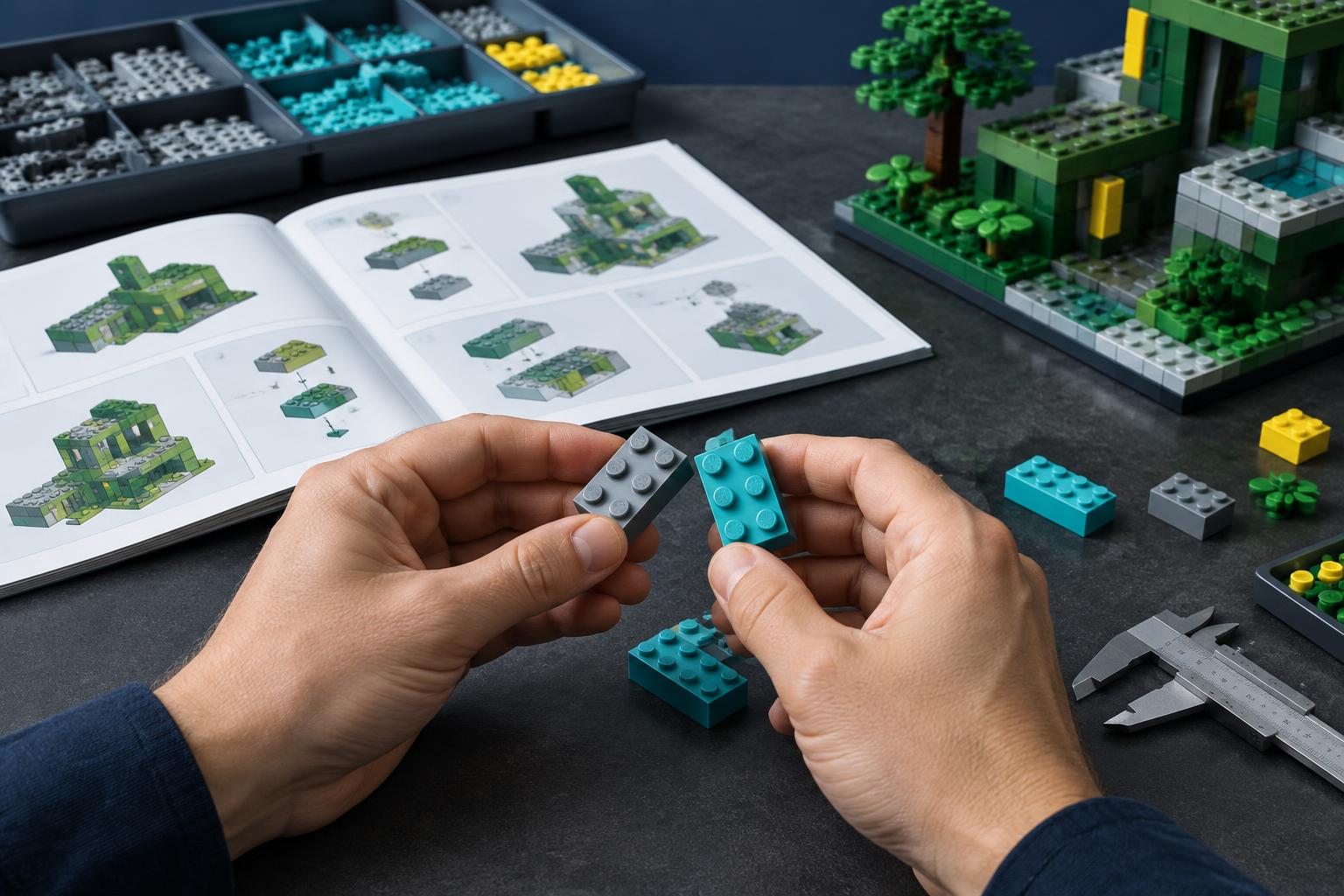
Quality and safety aren't marketing buzzwords here — they're measurable standards you can check before you buy.
Material quality comes down to the ABS plastic itself. Premium compatible bricks use the same food-contact-grade resin as official LEGO pieces, which means consistent color, a satisfying clutch when pieces snap together, and resistance to cracking over years of use and reuse.
Safety certification is non-negotiable, especially for sets going to children. EN71 covers the European Union; ASTM F963 covers the United States. Both test for toxic substances, choking hazards, and mechanical durability. If a listing doesn't mention either, that's worth a second look before purchasing.
Compatibility is the final check. Premium alternative brands manufacture to the same stud tolerance as official bricks, meaning you can mix sets from different lines — or combine them with an existing LEGO collection — without pieces feeling loose or forced. This is especially important for creators building custom models from mixed piece sources, since a single incompatible brand can throw off an entire design.
Running through these three checks — material, safety, compatibility — is the technical heart of any serious compatible bricks consultation.
Step 5: Plan Your Budget and Set Realistic Expectations
Compatible bricks typically cost 40–70% less than official sets, but "cheaper" doesn't mean "no planning required." A clear budget keeps your consultation focused and prevents impulse buys you'll regret.
A few budgeting guidelines:
- For beginners or kids' sets (under 500 pieces): Expect to pay significantly less than official pricing while still getting durable, certified bricks.
- For intermediate builds (1,000–3,000 pieces): This is where quality differences between brands become more noticeable — it's worth paying slightly more for a manufacturer with strong reviews.
- For large display or collector models (5,000+ pieces): Even at a steep discount to official pricing, these are bigger investments, so safety certification and return policies matter even more.
Realistic expectations also mean accounting for shipping times and potential customs considerations if you're ordering internationally. Retailers that ship from local or regional warehouses — rather than overseas — tend to offer faster, more predictable delivery, which is worth factoring into your decision.
Step 6: Make the Most of Post-Consultation Recommendations
Once you've done the research and made your purchase, the consultation process isn't quite over. A few habits help you get full value from your decision:
- Keep documentation. Save your order confirmation and any certification details in case you need to reference them for a warranty claim or return.
- Inspect pieces on arrival. Check for missing or damaged bricks immediately so you can act within the retailer's return window.
- Register for updates. Many retailers offer discounts or early access to new releases for returning customers — worth signing up for if you plan to keep building.
- Join the community. Builders who share progress photos and ask questions in online forums tend to catch compatibility issues or build tips faster than those working in isolation.
Treating this follow-through as part of the compatible bricks consultation — not a separate afterthought — is what turns a single purchase into an ongoing, satisfying hobby.
Tips for Ongoing Success With Compatible Bricks
Long-term builders, families, and collectors who get the most out of this hobby tend to follow a few consistent habits:
- Standardize on a couple of trusted brands rather than buying from a different manufacturer every time. This keeps compatibility consistent across your growing collection.
- Store loose pieces in labeled sorting drawers to keep future rebuilds and custom creations organized.
- Protect finished displays with a dust-proof acrylic case and keep them out of direct sunlight to prevent ABS yellowing over time.
- Revisit your goals periodically. A collector's priorities shift over time — what worked for your first 1,000-piece build might not suit your next 8,000-piece landmark project.
- Stay engaged with the community. Shared builds, reviews, and troubleshooting threads are some of the best ongoing resources for spotting new brands worth a consultation.
Builders who treat each purchase as a small research project — rather than an impulse buy — consistently report higher satisfaction and fewer wasted sets.
Build With Confidence, Not Guesswork
A few minutes of research before checkout can be the difference between a set that gathers dust in a drawer and one that becomes a centerpiece on your shelf. Running a proper compatible bricks consultation — defining your goals, vetting brands, checking safety certifications, and budgeting realistically — puts the odds firmly in your favor.
Ready to put this process into practice? Explore Morebybourn's full catalog and start your next build with a plan instead of a guess.
For more practical guidance, browse our Top Building Block Brands, read the compatible bricks membership guide, compare package deals, and check real building results.
Frequently Asked Questions
Is a compatible bricks consultation necessary for small or inexpensive sets?
It's still worth a quick check, even for smaller sets. Verifying safety certification and material quality takes only a few minutes and prevents issues like brittle plastic or missing pieces, regardless of price point.
How long does it take to research compatible brick brands properly?
Most builders can complete a thorough consultation in 15–30 minutes by checking certifications, reading a few reviews, and comparing two or three brands. Larger collector purchases may warrant more time given the higher investment.
Can I mix bricks from different compatible brands in one build?
Yes, as long as each brand manufactures to tight stud tolerances and meets quality standards. Premium alternative brands are built to connect seamlessly with each other and with official LEGO bricks.
What's the biggest mistake builders make when skipping a consultation?
Buying based on price alone, without checking safety certification or material quality. This often leads to sets with weak clutch power, missing safety testing, or compatibility issues with existing collections.
Do compatible bricks consultations matter more for kids' sets or adult collector sets?
Both benefit, but for different reasons. Kids' sets require extra attention to safety certification and age-appropriate piece sizes, while adult collector sets benefit more from checking piece count, display quality, and long-term durability.
Order LEGO Alternatives From Morebybourn
We sell LEGO alternative sets and compatible bricks for families, hobbyists, and collectors. Browse our available sets, contact our customer service team, or message us on WhatsApp for recommendations and help placing your order.
Order LEGO-Compatible Sets from Morebybourn
We sell LEGO alternative sets and compatible bricks for families, hobbyists, and collectors. Contact our customer service team for personal recommendations and help placing your order.