Is Compatible Bricks Worth It? An Honest Look at LEGO Alternatives
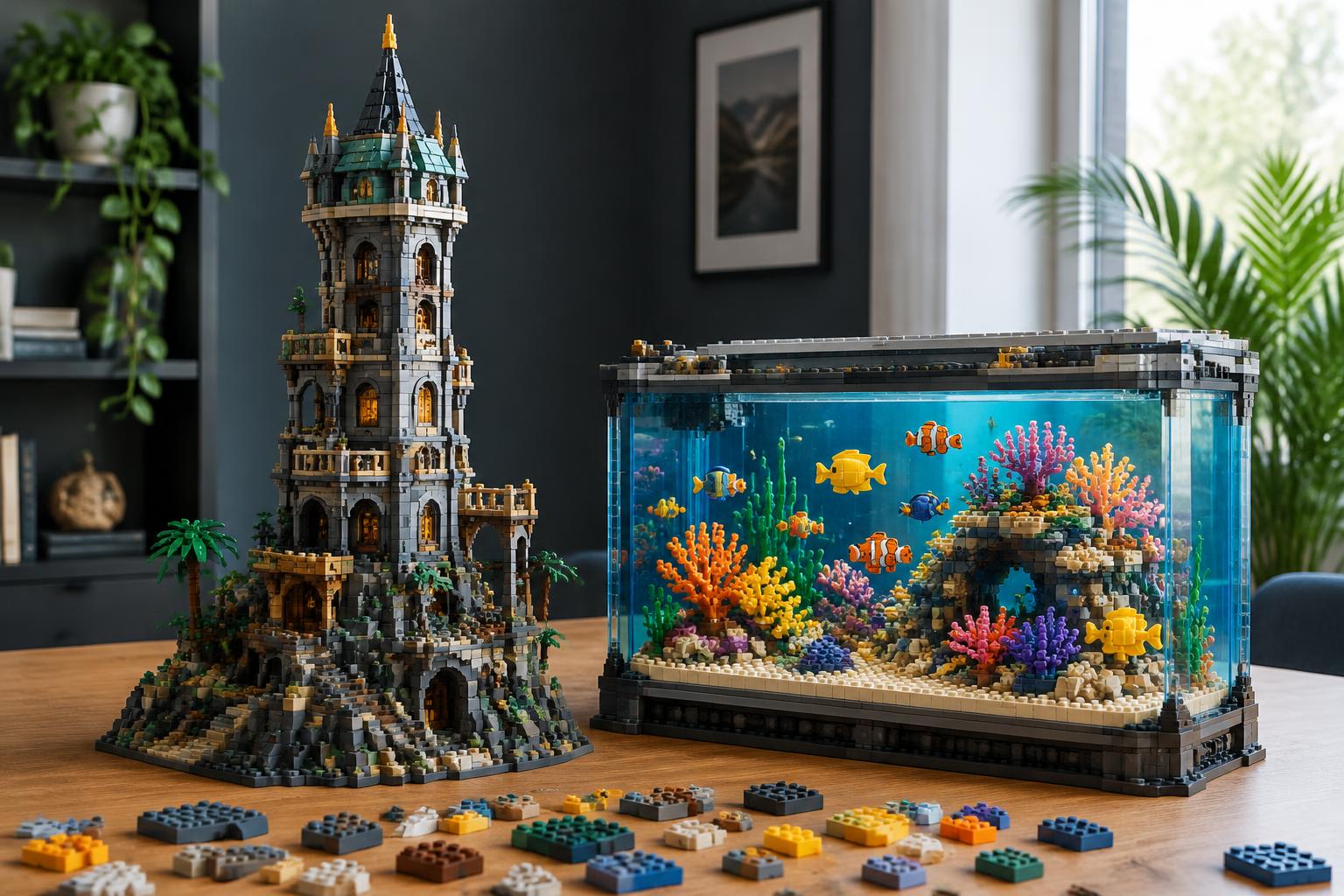
Quick answer: Yes, compatible bricks are worth it for most builders. Brands like MOREBYBOURN use ABS plastic manufactured to the same 0.01mm stud tolerance as official LEGO, so pieces connect, stack, and hold just as tightly. You save 40-70% on price, and sets from brands like Mould King or Reobrix stand up to real use. The tradeoff: resale value and brand prestige stay with LEGO.
Every brick fan hits this question eventually. You're staring at a $799 LEGO Icons set, then you spot the same design for $230 under a different name. Same piece count. Same stud layout. A fraction of the price. So what's the catch?
There isn't always one. But there isn't always *not* one, either. The honest answer depends on which brand you're looking at, what you're building, and what you actually care about — display value, playability, or just getting a weekend project done without draining your savings account.
This guide breaks down what compatible bricks actually are, how they stack up against official LEGO on quality and price, and who should (and shouldn't) make the switch. We'll also look at MOREBYBOURN specifically, since it's become one of the go-to names for builders asking is compatible bricks worth it before they commit to a cart full of bricks.
What Are Compatible Bricks?
Compatible bricks are building blocks manufactured by companies other than LEGO, designed to connect with official LEGO pieces. The patent on LEGO's original stud-and-tube brick design expired in 1989. Since then, dozens of manufacturers have built their own versions, refining tolerances and materials to match the original as closely as possible.
Brands like Mould King, Reobrix, Cada, and Sembo now produce sets ranging from small vehicles to 10,000+ piece architectural builds. MOREBYBOURN doesn't manufacture bricks itself — it curates sets from these manufacturers, selecting ones that meet specific clutch-power and print-quality benchmarks before listing them.
That distinction matters. The compatible brick market has a wide quality range, from near-identical clones to loose, rattly knockoffs that barely hold together. Knowing which manufacturer made your set tells you more than the sticker price ever will.
Is Compatible Bricks Worth It? A Quality Comparison
This is where the question gets real. Is compatible bricks worth it if the pieces fall apart after a month? No. But that's not the experience most builders report with established brands.
Official LEGO bricks are made from ABS (acrylonitrile butadiene styrene) plastic, manufactured to a stud tolerance of roughly 0.01mm — tight enough that bricks produced decades apart still click together. Top-tier compatible brands manufacture to the same tolerance, using the same base resin. The result: comparable clutch power, meaning bricks hold their connection whether you're building a small car or a three-foot tall tower.
Where quality gaps show up:
- Color consistency. Cheaper brands show batch-to-batch color variation, especially in grays and tans. Established brands test for consistency across production runs.
- Print and sticker quality. Official LEGO uses pad-printing on most pieces; cheaper alternatives rely entirely on stickers, which peel over time. Better compatible brands have started shifting to printed pieces for key parts.
- Piece finishing. Mold lines and rough edges show up more in bargain-bin brands. Quality compatible bricks are polished to feel smooth in hand, matching LEGO's finish.
If you're evaluating is compatible bricks worth it for a display piece you'll keep for years, stick to brands with a track record — Mould King and Reobrix, for instance, have built reputations specifically around large-scale adult display models.
Price Breakdown: Compatible Bricks vs. LEGO
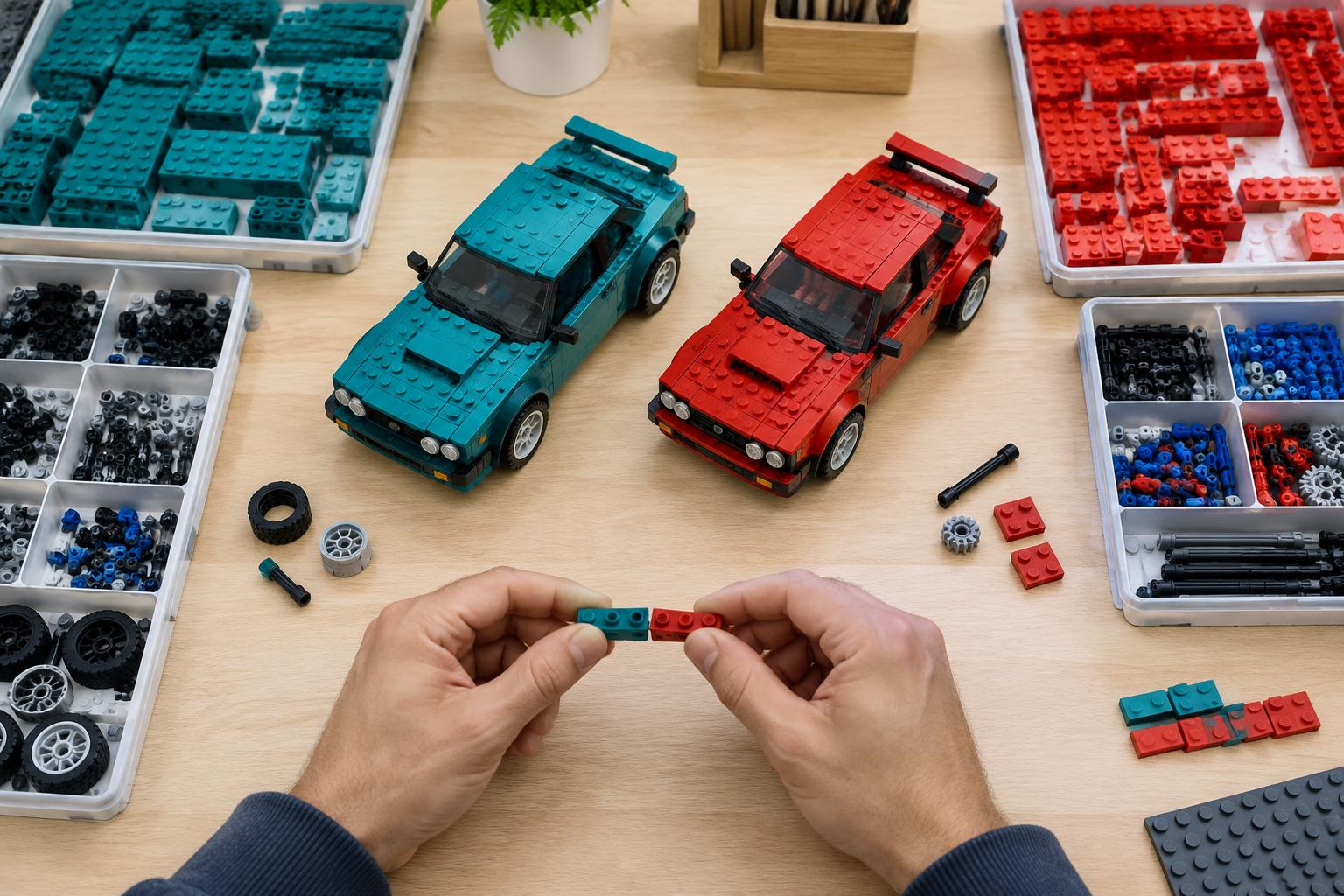
Here's where compatible bricks make their strongest case. Take two real examples:
- Eiffel Tower, Creator Expert-style set (2,882 pieces): Official LEGO price around $799.90. A compatible version of the same design runs about $230 — a 71% savings for a nearly identical build experience.
- Tropical Aquarium-style set (1,200 pieces): Official pricing near $699. The compatible equivalent runs around $168, a 76% discount.
That's not a rare deal — it's the typical spread between official LEGO Icons and Creator Expert sets and their compatible counterparts. The savings scale with the set size, too. The bigger and more expensive the original LEGO set, the more you save by going compatible.
Why the gap? LEGO's price includes decades of brand equity, licensing costs (for sets like Star Wars or Marvel), and retail markup through an exclusive distribution network. Compatible brands skip the licensing fees on original designs and often sell direct-to-consumer, cutting out retail margin entirely.
Decision criteria: If brand collectibility and resale value matter more to you than raw savings, LEGO holds its worth better on the secondhand market. If you want the building experience and display result without the premium price tag, compatible bricks deliver that at a fraction of the cost.
Do Compatible Bricks Actually Fit With LEGO?
This is the most practical concern, and the most common Google search alongside is compatible bricks worth it. The short answer: yes, for brands manufacturing to standard tolerances.
Compatible bricks from established manufacturers connect directly with official LEGO pieces. You can build a MOREBYBOURN set, then extend it with LEGO bricks from your existing collection, and the studs click together without force or looseness. This works both directions — LEGO pieces slot into compatible sets just as easily.
A few caveats worth knowing:
- Technic pin compatibility varies more than basic studs. Some budget brands use pins slightly off-spec, which can make axles bind or Technic connectors feel stiff.
- Color matching across brands isn't guaranteed. A "LEGO gray" from one manufacturer might read slightly warmer or cooler than official LEGO gray, which matters if you're mixing brands in one visible model.
- Minifigure scale sometimes differs by a millimeter or two between brands, which is noticeable mainly in close-up photography rather than general play or display.
For basic brick-to-brick building, though, interoperability is a solved problem among the major compatible manufacturers. You can browse compatible sets by category to see piece counts and compatibility notes before buying.
Who Are Compatible Bricks For?
Not every builder has the same priorities, so "worth it" means something different depending on who's asking.
Adult hobbyists building complex display models get the most direct value — large sets at 40-70% off means more builds per year on the same budget. Community sharing matters here too; most adult builders post finished models online regardless of brand, and an unbranded gray brick looks identical in a photo whether it came from LEGO or a compatible manufacturer.
Families introducing kids to building blocks benefit from the price difference most directly. STEM-focused sets teach the same spatial reasoning and problem-solving skills at a lower cost per set, which matters when kids outgrow sets quickly or lose pieces during play.
Collectors chasing display value should weigh this one carefully. Official LEGO retains resale value and holds cultural cachet that compatible bricks don't replicate. If collecting *is* the hobby — not just building — original LEGO sets remain the stronger long-term holding.
Creators designing original models outside official sets are often the biggest advocates for compatible bricks. Since the build is original anyway, brand becomes irrelevant — what matters is piece selection, color range, and bulk pricing for custom designs.
MOREBYBOURN Brand Spotlight
MOREBYBOURN doesn't manufacture its own bricks. Instead, it works as a curation layer on top of the compatible brick market, selecting sets from manufacturers like Cada, Mould King, and Reobrix that meet specific standards for ABS quality, print durability, and clutch strength.
What that means in practice:
- US warehouse shipping, with delivery in 3-5 days rather than the multi-week waits common with direct-from-China ordering.
- English instructions included with every set, removing a common pain point with imported compatible bricks.
- Safety certification checks — MOREBYBOURN prioritizes sets certified to ASTM F963 (US) or EN71 (EU) standards, the same toy safety benchmarks official LEGO meets.
- Comparison guides published for buyers trying to evaluate quality before purchase, rather than relying on marketplace reviews alone.
The top-sellers collection rotates frequently, with discounts up to 70% off comparable official pricing. For builders still working through whether is compatible bricks worth it for their specific project, that curation step removes a lot of the guesswork that comes with buying directly from unfamiliar overseas sellers.
Common Concerns, Answered Honestly
"Will the quality actually hold up?"
For brands meeting standard ABS tolerances, yes. Pieces from reputable compatible manufacturers survive repeated building and disassembly without loosening, the same way LEGO does. Budget, no-name sets are a different story — loose clutch power and warped pieces are the most common complaints there.
"Are these legal?"
Yes. LEGO's original patent on the brick design expired decades ago. What remains protected are specific licensed themes (Star Wars, Marvel, Disney) and the LEGO brand name itself. Compatible manufacturers build original designs or recreate iconic architecture and vehicles that aren't under active patent protection.
"Is this safe for kids?"
Reputable brands test to ASTM F963 or EN71 standards, checking for choking hazards, toxic substances, and mechanical durability. Always check for a certification mark before buying for young children, regardless of brand.
"Will my existing LEGO collection still work with these?"
Yes, for major compatible brands manufacturing to standard stud tolerance. You can mix and match freely.
Build Smarter, Not Just Cheaper
Is compatible bricks worth it? For most builders — adult hobbyists, families, and creators especially — the answer comes down to yes, provided you buy from a brand with a track record for quality control. The savings are real, often 40-70% off comparable official sets, and the building experience holds up when you choose manufacturers who test for clutch power, color accuracy, and print durability.
Where it's less clear-cut: if resale value or brand collectibility is the whole point of your hobby, official LEGO still wins that specific game.
Ready to see the difference for yourself? Explore MOREBYBOURN's building block collections and compare piece counts, pricing, and set details before you decide. New builders get 10% off their first order.
Compare our Best Lego Alternatives guides, read Compatible Bricks Customer Reviews: What Buyers Really Say, and check the compatible bricks comparison and price guide before ordering.
FAQ
Is compatible bricks worth it compared to buying official LEGO?
For most builders, yes. Compatible bricks from established manufacturers match LEGO's stud tolerance and clutch power while costing 40-70% less. The main exception is collectors prioritizing resale value, where official LEGO still holds the advantage.
Do compatible bricks actually connect with real LEGO pieces?
Yes, when manufactured to standard stud tolerance (around 0.01mm). Brands like Mould King and Reobrix connect directly with official LEGO bricks, letting you mix sets freely.
How much money do compatible bricks actually save?
Typically 40-70% compared to equivalent official LEGO sets. A 2,882-piece Eiffel Tower-style set, for example, runs around $230 compatible versus $799.90 for the licensed original.
Are compatible bricks safe for children?
Reputable brands are certified to ASTM F963 (US) or EN71 (EU) toy safety standards, testing for toxic substances and choking hazards. Always verify certification before buying for young kids.
What's the catch with buying compatible bricks instead of LEGO?
Quality varies significantly by manufacturer. Budget, no-name brands often have looser clutch power and inconsistent coloring. Sticking to established manufacturers with safety certification and quality testing avoids most of these issues.
Order LEGO Alternatives From Morebybourn
We sell LEGO alternative sets and compatible bricks for families, hobbyists, and collectors. Browse our available sets, contact our customer service team, or message us on WhatsApp for recommendations and help placing your order.
Order LEGO-Compatible Sets from Morebybourn
We sell LEGO alternative sets and compatible bricks for families, hobbyists, and collectors. Contact our customer service team for personal recommendations and help placing your order.