How to Read a Toy Bricks Treatment Review Like a Pro
"Treatment" is how a set's surface finish, coloring process, and printed or stickered elements are manufactured and applied. It's the difference between a brick that holds its color for a decade and one that yellows within a year. This guide shows you how to evaluate a toy bricks treatment review, piece by piece.
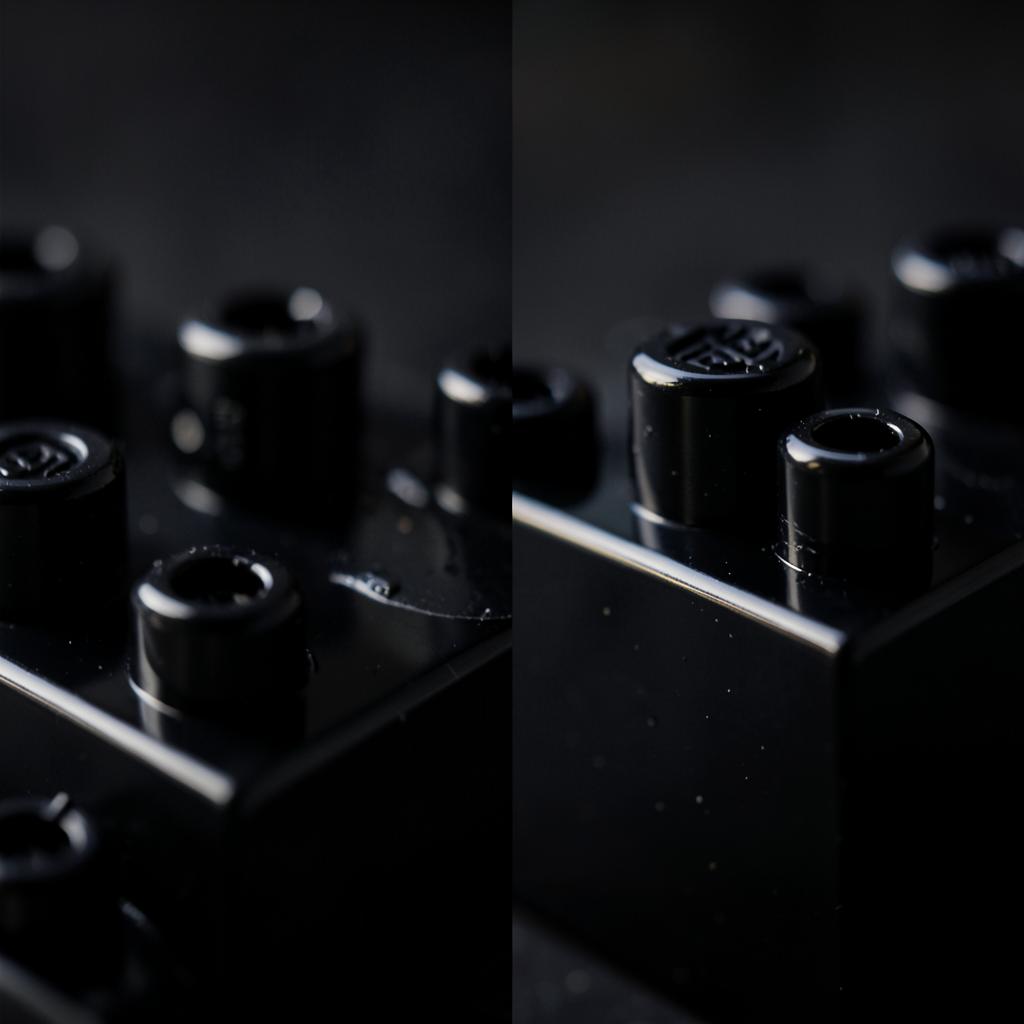
Anyone who has spent an hour comparing brick sets across five different retailer pages knows the frustration. Every listing claims "premium quality." Every review says the set is "amazing." But when the box arrives, the bricks feel thin, the colors don't match the photos, and the stickers start peeling within a week. Learning to read a toy bricks treatment review properly matters more than most builders realize — whether you're an adult collector building display-worthy architecture sets or a parent picking out a birthday gift.
What Is a Toy Bricks Treatment Review and Why It Matters
A treatment review examines the physical and chemical processes applied to a brick set after molding — surface finishing, color application, UV coating, and printing or sticker application. It's distinct from a general product review, which might only cover piece count, price, or overall satisfaction. Here's why this matters in practice:
- Longevity: Poor surface treatment leads to fading, yellowing, and brittleness over time.
- Compatibility: Inconsistent stud tolerances from rushed manufacturing can make bricks difficult to connect with other sets.
- Display value: For collectors, a mismatched color batch or a crooked sticker can ruin an otherwise stunning model.
- Safety: Poorly treated surfaces may not meet EN71 (EU) or ASTM F963 (US) toy safety standards, which test for toxic residues and mechanical durability.
How to Assess Surface Treatment and Finish Quality
The surface finish is the first thing your hands notice, even before your eyes register color or print quality. Here's how to evaluate it methodically.
Most manufacturers aim for a semi-gloss finish that resists fingerprints while catching light attractively. Look for specific mentions of finish consistency across pieces — not just "the bricks look nice," but whether every piece in the set shares the same sheen. Reviewers who photograph multiple angles under natural light are more trustworthy.
Flash is the excess plastic that seeps out during injection molding. A well-treated brick has this trimmed away cleanly. Reviews that mention "no visible flash" or "clean mold lines" describe a manufacturer that invests in proper tooling and finishing.
Run a finger across a large flat piece — is it smooth or slightly rough? Slight roughness can indicate an unpolished mold or a rushed production batch. It's a small detail, but one of the most reliable indicators of overall manufacturing care.
If you want to compare finish standards across dozens of curated sets side by side, browse the current collection at Morebybourn to see how premium ABS treatment looks in practice.
How to Evaluate Color Treatment and Consistency
Color is where cheaper manufacturing shortcuts become most obvious. A trustworthy toy bricks treatment review will include unedited unboxing photos, ideally taken in daylight, so you can judge the true color against what's advertised. Because large sets often use bricks from different production runs, color drift can occur — a red brick from one batch might look slightly orange next to another. Reviewers who build the full set before photographing it are more likely to catch this issue.
UV and fade resistance is the hardest treatment quality to verify from a single review, since fading takes months to appear. Look for reviews posted by long-term owners — anyone updating their review after six months or a year of display is offering far more valuable data than a same-day unboxing. Note that under ASTM F963 and EN71, UV stability isn't a mandatory safety test, so it falls entirely on manufacturer quality control and reviewer patience to catch.
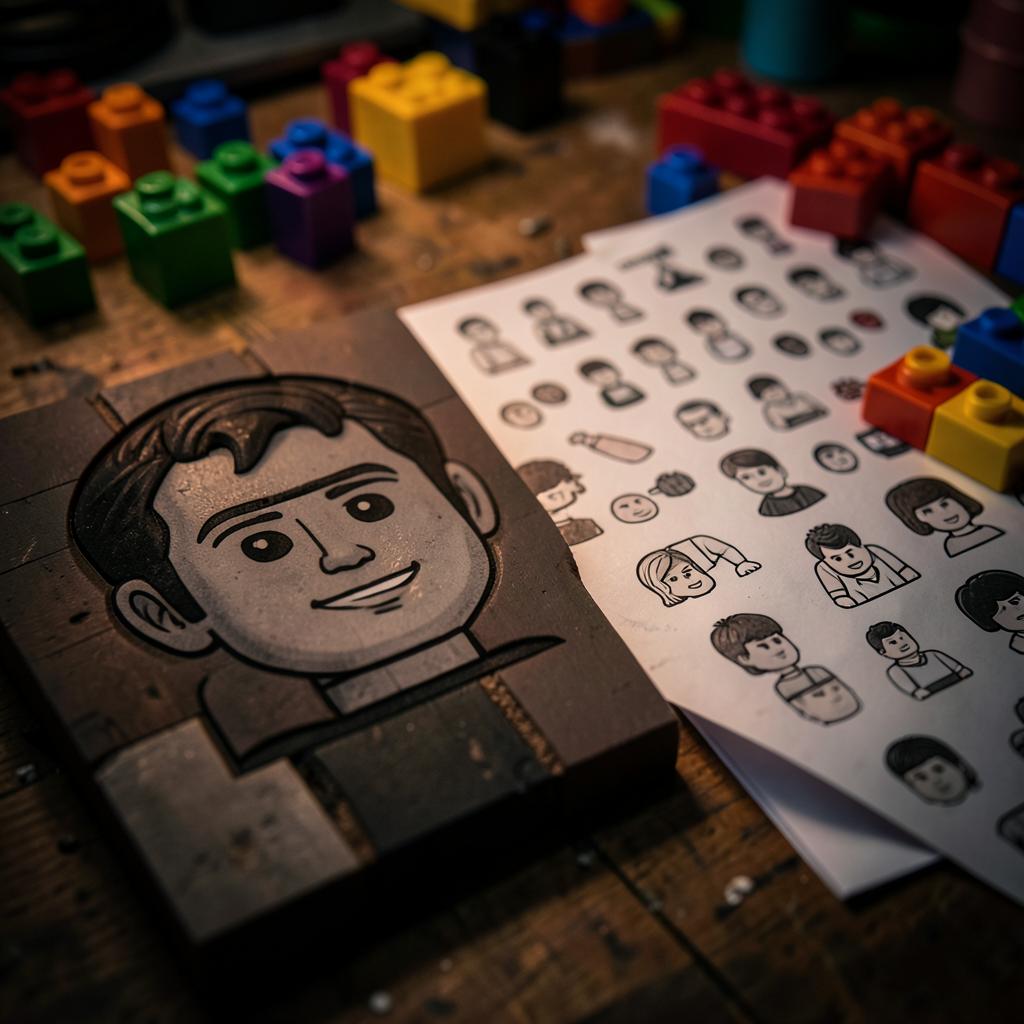
Printed pieces are baked into the brick's surface; stickers are cheaper but prone to peeling, bubbling, and misalignment.
How to Check Print and Sticker Treatment Quality
Printed elements and stickers are often where budget sets cut corners, and it's one of the easiest treatment issues for reviewers to document clearly. Higher-tier sets typically use pad-printed or tampo-printed pieces, where color is applied directly and baked into the surface. Lower-cost alternatives often substitute stickers, which are prone to peeling, bubbling, and misalignment. A useful toy bricks treatment review will explicitly state which method was used for key detail pieces such as vehicle windshields, minifigure faces, or architectural signage.
Even printed pieces can suffer from poor registration, where the ink sits slightly off-center from the molded detail lines. Reviewers who zoom in on faces, control panels, or small emblem pieces give you the clearest evidence of print precision. And if a set does use stickers, check whether reviewers mention bubbling, silvering, or difficulty during application.
How to Compare Treatment Standards Across Brands
The LEGO-compatible brick market includes manufacturers like Cada, Mould King, Reobrix, and Sembo, each with different quality benchmarks. Some specialize in large-scale display models with excellent surface finishing, while others focus on affordability for younger builders. A toy bricks treatment review that evaluates only one brand in isolation won't tell you much — the real value comes from comparative context. Our best LEGO alternative brands guide compares the major names side by side.
While not a perfect metric, sets with unusually low price-per-piece ratios often cut costs somewhere — and surface treatment is a common area for savings. Also prioritize verified safety certification: look for explicit mentions of EN71 or ASTM F963, one of the few objective, verifiable data points available before you buy. For a broader review framework, see how to read a toy bricks review like a pro builder.
How to Use Community Reviews for Real-World Treatment Insights
Manufacturer marketing will always highlight a product's strengths. Community reviews, especially from long-term builders, surface the details that matter most. Dedicated building communities often include multi-week build logs, where builders update impressions as pieces are handled repeatedly — revealing whether a print starts flaking or a color begins to fade in ways a same-day review simply cannot.
Video reviewers who zoom into stud connections, printed details, and finish texture under different lighting provide far more reliable evidence than staged photos. Pay attention to whether the reviewer discusses clutch power — how firmly bricks snap together — since this ties directly into how well the surface was molded and treated. And never treat a single toy bricks treatment review as gospel: compare at least three independent sources before drawing conclusions.
Final Verdict: Making Your Decision
Reading a treatment review well comes down to patience and specificity. Skip past vague praise like "great quality" and look for concrete details: clean mold lines, consistent color across batches, printed rather than stickered detail pieces, and verified safety certification. Combine written reviews with video close-ups and long-term community feedback, and you'll have a far more accurate picture than any single source can offer.
For builders across Europe and North America looking for sets already vetted against these standards, exploring curated collections at Morebybourn is a practical starting point — every set is selected from manufacturers that meet strict ABS quality and print durability benchmarks, so the guesswork is already handled.
Premium Treatment, Verified Quality
We sell high-quality LEGO alternative sets with clean finishes, durable prints, and certified-safe ABS — with free global shipping, no customs fees, and a missing-piece guarantee on every order. Message our team on WhatsApp to order or ask for a recommendation.