How to Get the Best Value on Toy Bricks Price Without Sacrificing Quality
Paying less doesn't mean building worse. Once you understand what actually drives toy bricks price, you can make smarter choices, stretch your budget further, and still end up with models you're proud to display. This guide walks you through the whole process.
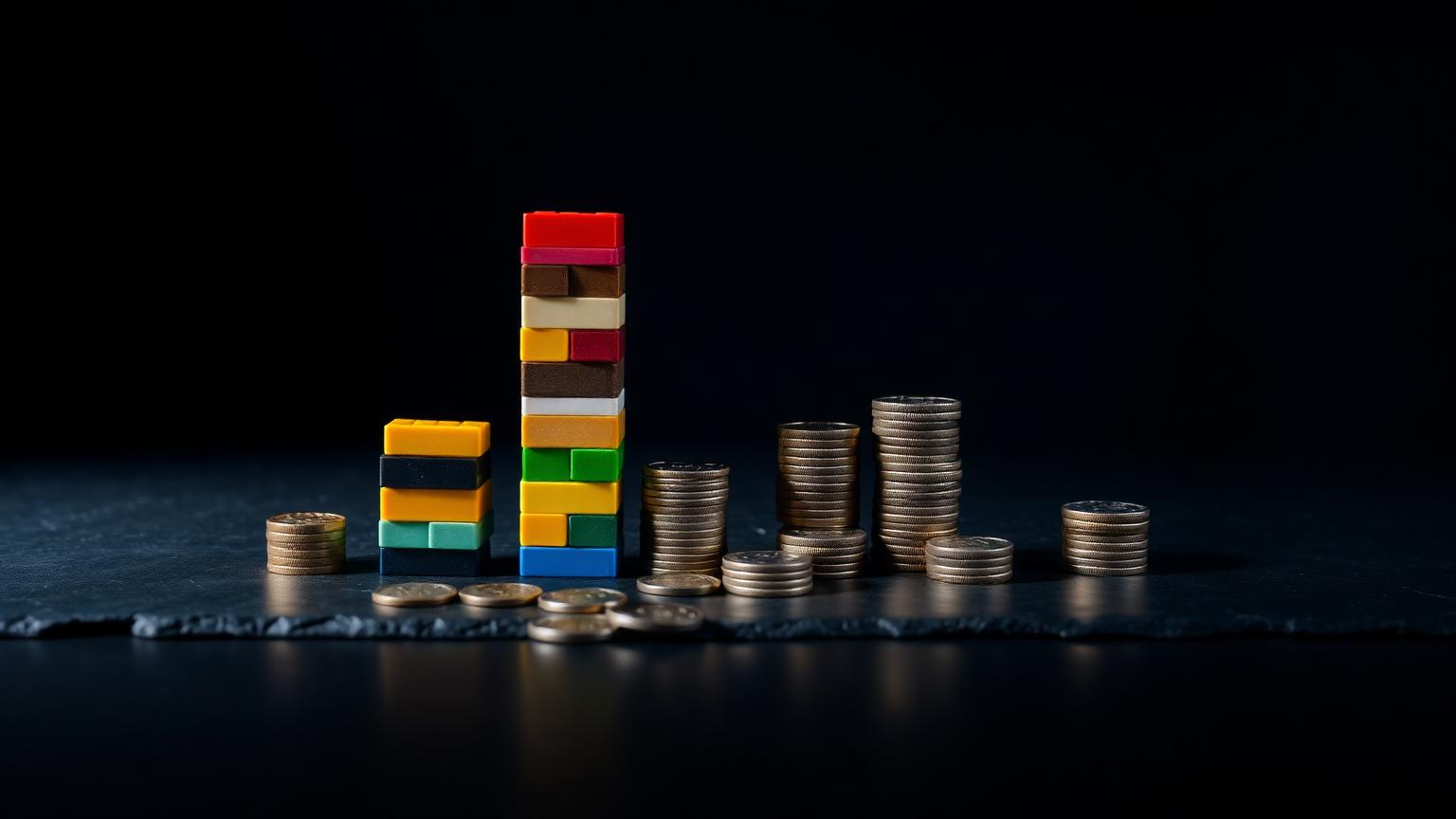
Step 1: Understand What You're Actually Paying For
Before you can judge whether a price is fair, you need to know what goes into it. A lot of builders assume they're paying for plastic. They're not — not mostly, anyway. The real cost breaks down into a few parts:
Branded sets tied to movies, franchises, or big-name partnerships carry hefty licensing fees. That's baked straight into the sticker.
More pieces, more molds, more engineering. Custom-shaped elements cost more to produce than standard studs.
You've heard it before, but it's true: some of what you pay is simply the name on the box.
ABS plastic, clutch power (how firmly bricks grip each other), and color consistency all affect production cost.
Two sets with nearly identical part counts and quality can differ wildly in price — and the gap often comes down to branding and licensing, not the building experience itself. This is where LEGO alternatives changed the game: brands like Morebybourn focus their budget on the parts that matter to builders — solid ABS, tight clutch, clean molds — while skipping the licensing markup.
Step 2: Learn to Read Price-Per-Piece (But Don't Worship It)
The most common trick in the community is calculating price per piece: take the total cost and divide by the number of bricks. A general benchmark many builders use:
| Price per Piece | Verdict | What to Check |
|---|---|---|
| Under 6 cents | Great value | Verify part quality and clutch — a low number can hide tiny, fiddly pieces |
| 6 to 10 cents | Fair value | Standard territory for quality sets; compare piece size mix |
| Above 10 cents | Premium territory | Should come with rare parts, licensing you love, or a unique design |
Here's the catch: price per piece can lie. A set stuffed with hundreds of tiny 1x1 tiles will show a low number while delivering a frustrating build. Use the metric as a starting point, not a verdict — pair it with reviews, photos of finished models, and the quality of the parts themselves.
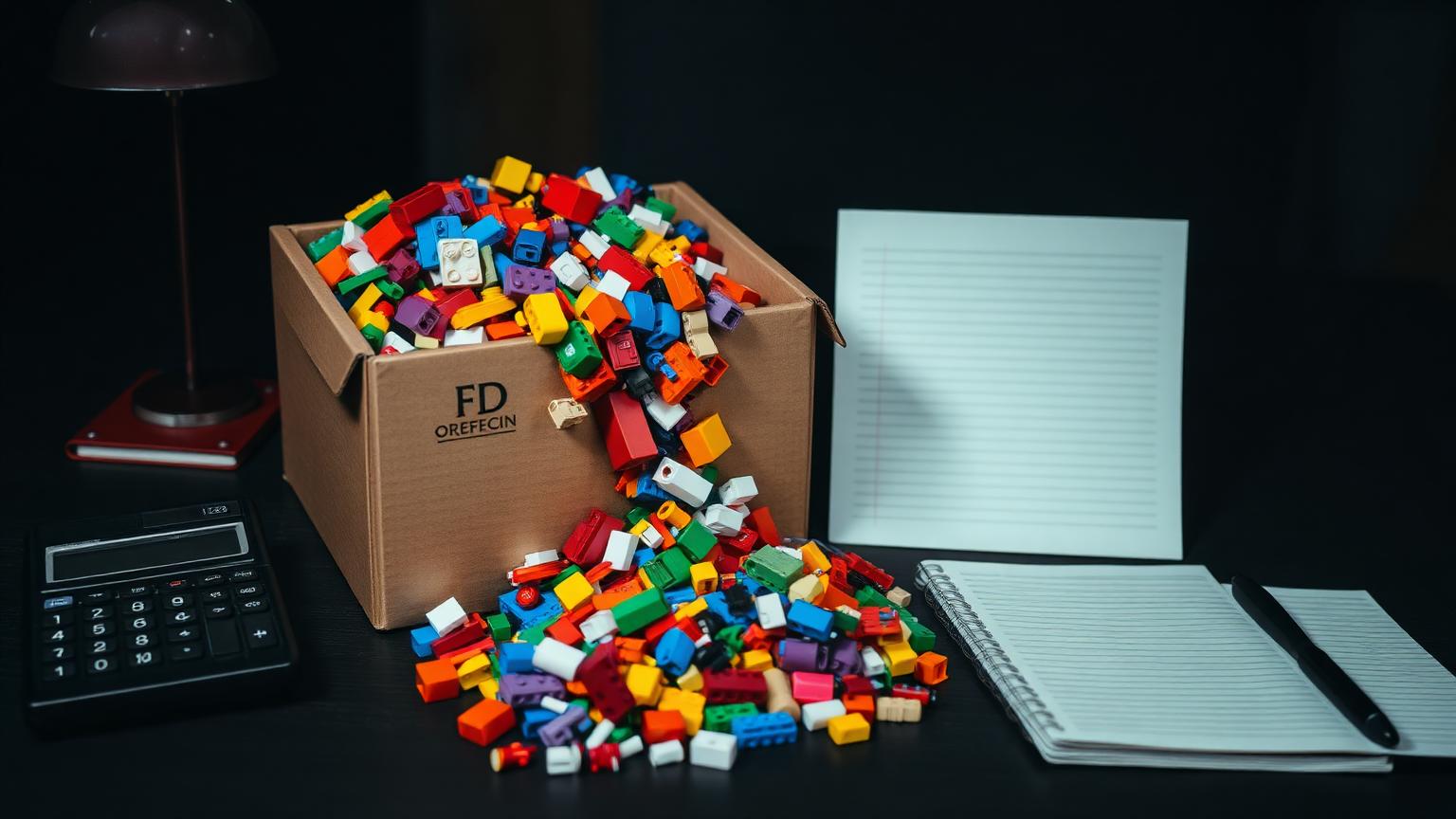
Bulk brick packs cost far less per piece than boxed sets — the long-game strategy for builders who create their own models.
Step 3: Time Your Purchases Like a Pro
Timing might be the single most underrated skill in keeping your toy bricks price low. Prices swing throughout the year, and the difference can be dramatic if you're patient:
Retailers clear inventory. This is when you scoop up sets that were "must-buy" gifts a month earlier for a fraction of the price.
These often overlap with STEM promotions, which means educational and building kits go on discount together.
When a company drops a new line, older sets frequently get marked down to make shelf space.
If you're active in building forums, keep an eye out for organized bulk orders. Buying together can unlock pricing individuals never see.
One habit that pays off: build a wish list and track prices over a few weeks before buying. You'll quickly learn what "normal" looks like for a set, so when a real discount appears, you'll recognize it instantly instead of falling for a fake markdown.
Step 4: Compare Quality the Right Way
Cheaper isn't automatically better — this is exactly where new builders get burned. A bargain set that falls apart or has loose, wobbly connections isn't a deal; it's a donation to the recycling bin. Look for these quality signals before you buy:
- Clutch power. This is everything. Bricks should snap together firmly and hold. Reviews and unboxing videos will tell you fast if a brand's grip is weak.
- Color consistency. Good sets have uniform color across every piece. Mismatched shades are a red flag for cheap production.
- Part precision. Pieces should connect smoothly without excessive force or annoying gaps.
- Instruction clarity. Bad manuals turn a relaxing evening into a headache. Clear, well-illustrated steps matter more than people admit.
The best-value brands nail these fundamentals without charging a premium. You can explore how a quality-first alternative handles these details over at Morebybourn's collection, where the focus stays on the building experience rather than the label. For brand-level picks, see our Reddit-validated cheaper LEGO alternative guide.
Step 5: Match the Set to the Builder
Value isn't just about dollars — it's about fit. The "best" price means nothing if the set doesn't suit who's building it. Adult hobbyists should pay for complexity and part count, not a licensing tax. Families need durability, safety, and affordable repeatable purchases. Collectors can justify higher spending on display value and rarity — but should still watch for smart alternatives that replicate iconic builds at a saner cost. MOC creators need bulk brick availability above all, and this is where affordable alternatives absolutely shine.
Knowing your builder type before you shop keeps you from overpaying for features you'll never use. Our toy bricks packages guide breaks down exactly which package type fits each builder profile.
Step 6: Buy in Bulk (The Right Way)
If you build often, single sets will slowly drain your wallet. Bulk buying is the long game, and it changes your cost math entirely:
- 1Standardize your palette. Stock up on common bricks in colors you use constantly — grays, blacks, whites, and a few accent tones.
- 2Buy loose parts for MOCs. If you design your own models, bulk element packs cost far less per piece than boxed sets.
- 3Split large orders with friends. Group purchases lower per-unit costs and let everyone try new parts without committing to a full haul.
- 4Store smart. Organized storage means you actually use what you buy instead of rebuying pieces you already own.
For MOC creators especially, sourcing affordable bulk bricks from a reliable LEGO alternative brand can cut project costs in half without cutting corners.
Step 7: Ignore the Myths That Cost You Money
A few stubborn beliefs float around the community, and they quietly inflate what people spend. Let's clear them up:
Price often reflects branding and licensing, not build quality. Blind-testing bricks from different brands has humbled plenty of loyalists.
Most quality alternatives are fully compatible with standard bricks. You can mix and match freely, which is fantastic for expanding existing collections affordably.
The good alternatives use the same ABS plastic and precision molding as the big names. The difference is they don't charge you extra for a logo.
Letting go of these myths is genuinely freeing. It opens up options you'd have dismissed and stretches your hobby budget much further.
Step 8: Build a Long-Term Value Strategy
The smartest builders don't just chase individual deals — they think in seasons and years. Set a monthly or quarterly budget you're comfortable with. Prioritize builds you'll genuinely enjoy — a cheap set you never touch is more expensive than a pricier one you love. Mix branded and alternative: splurge occasionally on a dream licensed set, and cover your everyday building with affordable bricks. And reuse and remix — every brick you own can become part of your next creation.
When you approach the hobby this way, the question shifts from "What's the cheapest set?" to "What gives me the most joy per dollar?" And that's the real definition of value.
Final Thoughts: Value Is a Skill You Build
Getting a great toy bricks price isn't luck — it's a habit. You learn to read the market, judge quality honestly, time your buys, and shop for the builder you actually are. Do that consistently, and your collection grows faster while your wallet stays happier.
Premium Builds, Honest Prices
We sell high-quality LEGO alternative sets at genuinely fair prices — solid ABS, tight clutch, full compatibility — with free global shipping, no customs fees, and a missing-piece guarantee on every order. Message our team on WhatsApp to order or ask for a quote.