How to Use a Compatible Bricks Design Consultation to Plan Better Builds
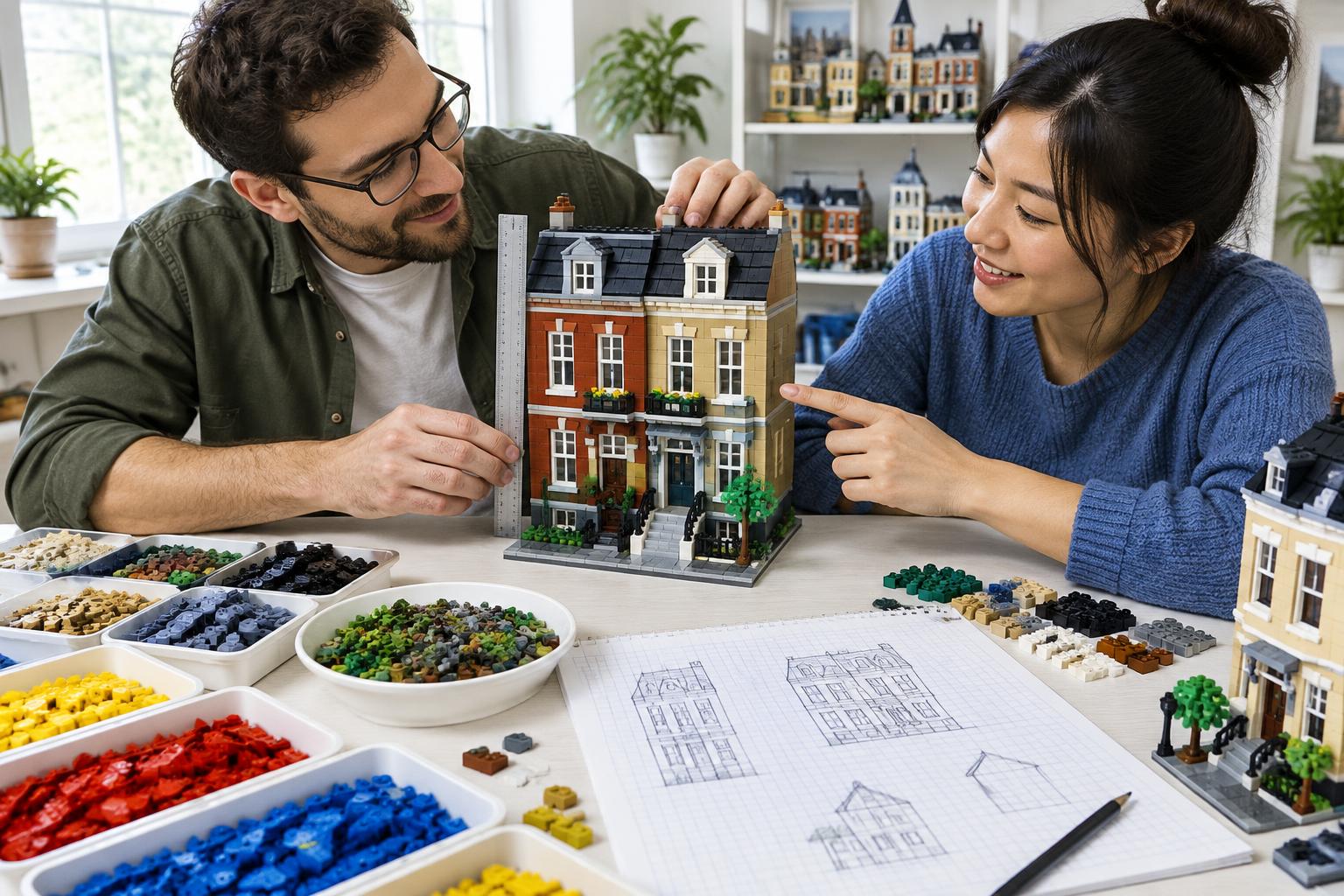
Most failed builds don't fail during assembly. They fail before the first brick ever gets opened — at the planning stage, when a builder picks the wrong scale, the wrong brand, or the wrong piece count for what they're actually trying to make. A compatible bricks design consultation fixes that problem before it costs you money.
This guide walks through exactly how to prepare for one, run it, and turn it into a finished build you're proud of. Whether you're an adult hobbyist planning a 3,000-piece skyline, a parent setting up a STEM project, a collector chasing a display centerpiece, or a creator designing an original MOC, the process below applies.
Why Design Consultation Matters for Compatible Brick Builders
Compatible bricks give you access to scale, detail, and piece count that would cost a fortune at official retail prices. But that same freedom creates a planning problem: more brands, more sets, more specs to compare, and more ways to get it wrong.
A compatible bricks design consultation solves this by putting a structured conversation between you and your build — before you spend a dollar. It's the difference between guessing at compatibility and knowing it. Between hoping a set fits your display case and measuring it first. Between buying three sets to cannibalize for parts and buying exactly what the project needs.
For community-driven builders — the ones sharing progress online, teaching kids STEM concepts, or chasing a limited collector's piece — this upfront planning step pays for itself every time.
What Is a Compatible Bricks Design Consultation?
A compatible bricks design consultation is simply a structured planning conversation — with a brand's support team, a community forum, or even yourself using a checklist — that happens before you commit to a build. It covers four things:
- What you're trying to build and why
- Which sets or brands can realistically deliver that result
- Whether the pieces you need are compatible with what you already own
- What it will cost in money, time, and shelf space
Brands that take this seriously make it easy to start the conversation. Morebybourn, for example, curates sets by category so builders can compare options within the same build type before reaching out with questions — which speeds up the consultation significantly.
Think of it as the blueprint stage. Skip it, and you're building without a plan.
How to Prepare Before Your Consultation
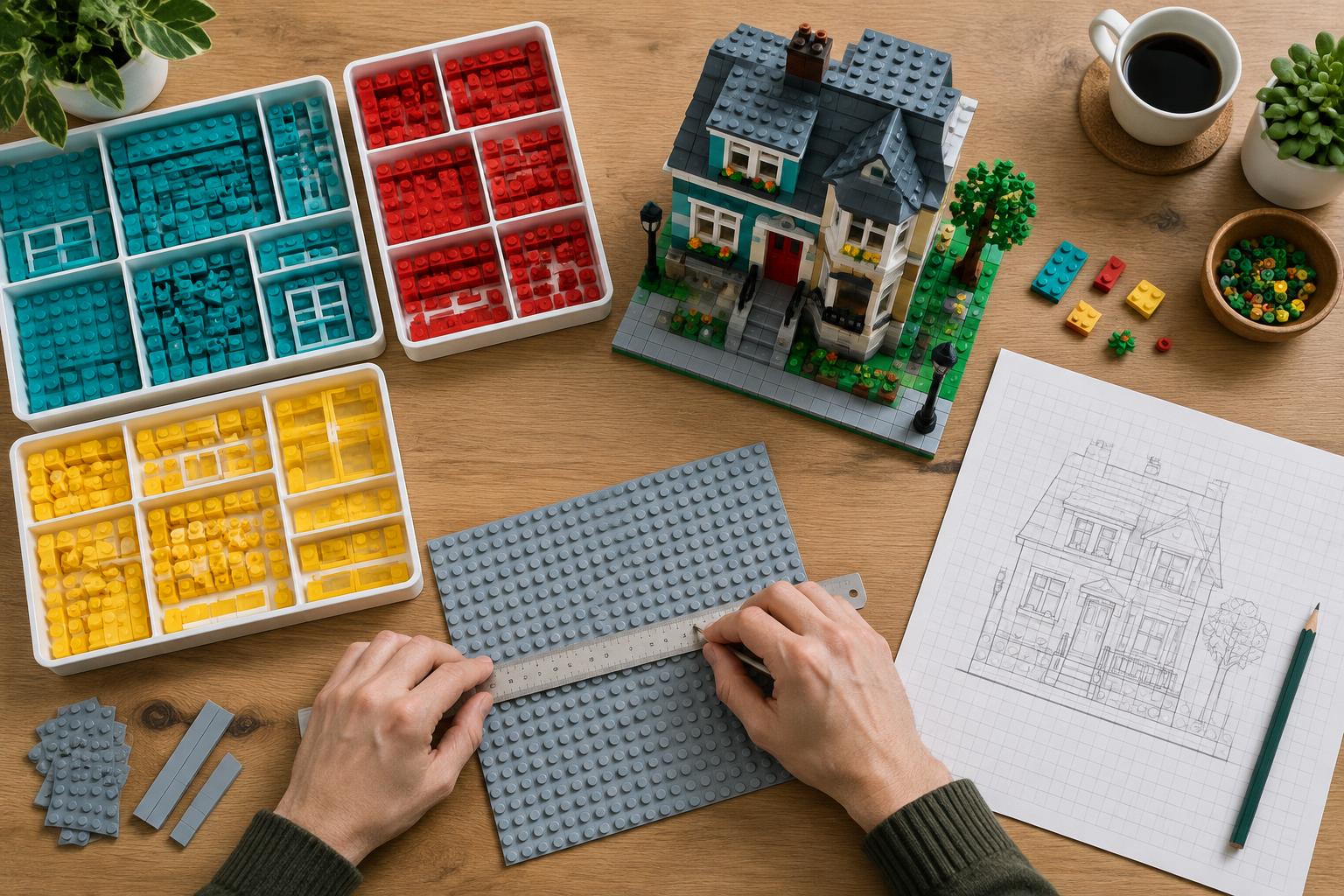
Walking into a consultation without preparation wastes everyone's time — including yours. Do these four things first:
- Measure your space. Know the exact dimensions available for the finished build, especially for large architecture or city sets.
- Inventory what you already own. List existing sets, loose bricks, and baseplates you want the new build to connect with.
- Set a real budget. Decide your ceiling before you start browsing, not after you've fallen in love with a 2,800-piece set.
- Collect reference images. Pull photos of the finished look you want — this is especially useful for creators designing original builds.
Builders who skip this step tend to walk away from a consultation with vague answers. Builders who show up prepared walk away with a parts list.
How to Communicate Your Build Vision Clearly
A consultation only works if the other side understands what you actually want. Vague requests get vague recommendations. Specific requests get specific answers.
Instead of saying "I want something cool for my shelf," say:
- "I want a 1,500–2,500 piece display model under 20 inches wide."
- "I need a set compatible with my existing city baseplates."
- "I'm building with my 8-year-old and need large pieces, no small Technic pins."
This matters most for creators designing MOCs. If you're not using an official instruction set, describe your build in terms of function (a vehicle chassis, a modular building, a display base) rather than just aesthetics. This gives whoever you're consulting — whether that's a brand's support team or a community forum — something concrete to work with.
How to Evaluate Compatible Brick Options During Consultation
This is the core of any compatible bricks design consultation: comparing real options against your actual requirements, not just browsing by price.
Run through this checklist for every set you're considering:
- Tolerance standard. Ask directly what stud tolerance the bricks are manufactured to. ±0.01mm is the benchmark that matches official specifications.
- Material quality. Confirm it's ABS plastic, not a cheaper substitute that cracks or discolors.
- Safety certification. Look for ASTM F963 (US) or EN71 (EU) on the listing, particularly for family builds.
- Piece count vs. price. Compare cost-per-piece across sets in the same category rather than looking at total price alone.
- Instruction language. Confirm English instructions are included if you're in the US or Europe — this avoids a frustrating surprise mid-build.
Morebybourn vets manufacturers like Cada, Mould King, and Reobrix against these exact benchmarks before listing a set, which cuts this part of the consultation down significantly. You're not starting from zero — you're starting from a pre-filtered shortlist.
How to Choose the Right Sets and Pieces for Your Project
Once you've narrowed your options, match the set to your builder profile:
Adult hobbyists building display-focused models should prioritize piece count and detail accuracy over speed of assembly. A set like the Eiffel Tower Creator Expert collection delivers nearly 2,900 pieces — ideal for builders who want a long, involved project with a showpiece result.
Family users should prioritize large pieces, simple instructions, and age-appropriate complexity. Avoid Technic-heavy sets with small pin components for kids under 8, regardless of how appealing the finished model looks.
Collectors should prioritize finish quality and batch consistency. Ask directly whether a brand tests for color matching across production runs — this prevents visible mismatches in a display piece you'll keep for years.
Creators should prioritize cross-brand compatibility above all else. Before committing to a large order, test a handful of new pieces against your existing collection. Pay close attention to minifigure joints and baseplate alignment, since small tolerance differences show up fastest there.
How to Follow Up and Execute Your Build Plan
A consultation isn't the finish line — it's the starting point. Once you've chosen your set, lock in these next steps:
- Confirm shipping timeline before ordering. Builders in the US and Europe should ask about warehouse location; sets shipping from US-based warehouses typically arrive in 3–5 days, versus weeks for international shipping.
- Check the replacement policy. Confirm the brand will replace missing or broken pieces for free — this matters more than people expect, especially on 2,000+ piece sets.
- Set a build schedule. For large sets, break the build into sessions by bag number or section rather than attempting it in one sitting.
- Document as you go. Community-engaged builders — especially those sharing progress online — benefit from photographing each stage, not just the finished result.
If something doesn't match what was discussed in your compatible bricks design consultation — wrong piece count, missing certification, incompatible studs — raise it before you start building, not after.
Real-World Use Cases: Adults, Families, Collectors, and Creators
Adult hobbyists use design consultation to avoid buying sets that look impressive in photos but fall apart under their own weight. A quick conversation about piece engineering and support structure before buying saves a rebuild later.
Families use it to match STEM goals to age-appropriate sets. A parent introducing a 6-year-old to building concepts needs a very different consultation than one building alongside a 12-year-old already comfortable with Technic mechanisms.
Collectors use it to confirm a set will hold its finish and detail over years of display, not just look good on day one. This group benefits most from asking directly about batch quality control before buying a centerpiece model.
Creators use it to solve compatibility problems before they start designing. A MOC that depends on mixing three different brands needs that compatibility confirmed at the planning stage, not discovered halfway through a build.
Across all four groups, the pattern holds: a short planning conversation before purchase prevents most of the regret that comes after.
Frequently Asked Questions
What exactly happens during a compatible bricks design consultation?
It's a structured conversation covering what you want to build, which sets can deliver it, whether the pieces are compatible with your existing collection, and what the total cost looks like. It can happen with a brand's support team, in a community forum, or as a self-guided checklist before you buy.
Do I need a design consultation for a small or simple build?
Not always. Smaller sets under 500 pieces carry less risk if something doesn't match expectations. Consultation matters most for large builds, family purchases involving safety concerns, or any project mixing pieces across brands.
How do I know if a brand's bricks will actually connect with pieces I already own?
Ask directly about stud tolerance — the industry benchmark is ±0.01mm, matching official specifications. Test a small batch against your existing collection before committing to a full order, paying close attention to baseplates and minifigure joints.
What should I bring to a consultation if I'm designing my own MOC?
Reference images, rough dimensions, and a clear description of function — not just appearance. The more concrete your description, the more useful the recommendations you'll get back.
Is a design consultation worth it for family or kids' builds?
Yes, particularly for safety. Confirming ASTM F963 or EN71 certification and matching piece size to your child's age during the consultation stage prevents both safety issues and frustration mid-build.
A good compatible bricks design consultation takes less time than returning a bad set. Browse Morebybourn's current collections to start comparing options before your next build.
Compare our Best Lego Alternatives guides, explore the compatible bricks project gallery guide, and use our compatible bricks comparison to plan your next project.
Order LEGO Alternatives From Morebybourn
We sell LEGO alternative sets and compatible bricks for families, hobbyists, and collectors. Browse our available sets, contact our customer service team, or message us on WhatsApp for recommendations and help placing your order.
Order LEGO-Compatible Sets from Morebybourn
We sell LEGO alternative sets and compatible bricks for families, hobbyists, and collectors. Contact our customer service team for personal recommendations and help placing your order.