How to Mix and Match Building Block Brands Like a Pro
Quick Answer
Most modern bricks share the same 8mm stud standard, so mixing brands works. Are LEGO and Mega compatible? Yes for standard bricks. Is OYO compatible with LEGO? Yes for bricks and plates, no for its articulated figures. A LEGO compatible keyboard is styled to match, not to snap on. Test clutch first, then browse standard-scale sets in the Morebybourn catalog.
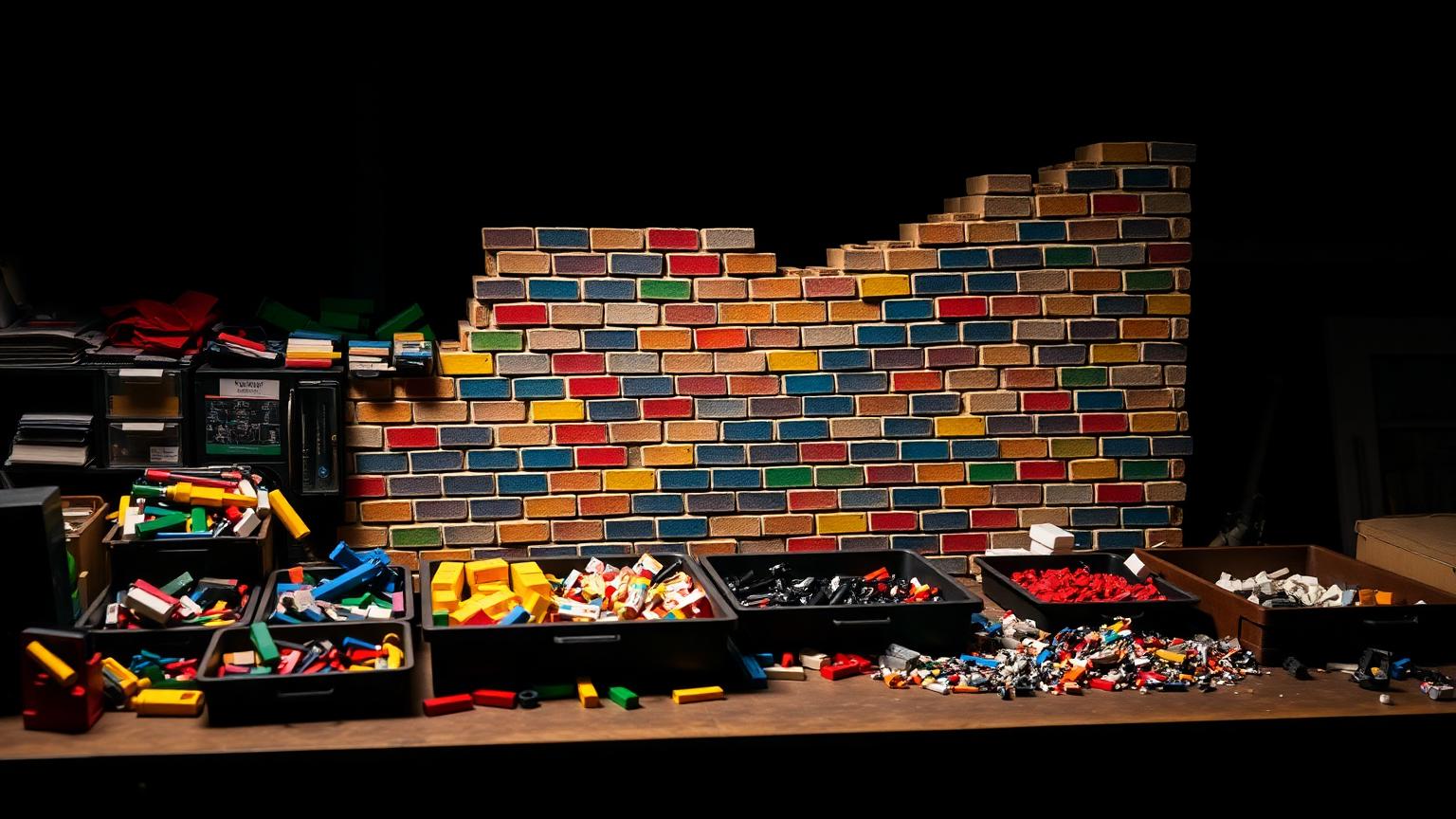
Your bin overflows with bricks from a dozen brands. You want to combine them into one epic build. But will they actually snap together? That single question stops too many builders cold.
Good news. Most modern building blocks share the same stud size, which means mixing brands is easier than you think. This guide shows you exactly how to combine sets from different makers, avoid the traps that ruin a build, and expand your creative range without buying everything new.
Why Brand Mixing Matters for Serious Builders
You don't have to stay locked inside one ecosystem. Mixing brands unlocks parts you can't get anywhere else. One brand makes gorgeous transparent panels. Another nails minifigure accessories. A third specializes in massive baseplates. Combine them, and your creative options explode.
For collectors and creators, this freedom is everything. You build what you imagine, not what a single catalog allows. Morebybourn bricks are engineered to the universal stud standard, so they slot straight into the pieces already scattered across your desk — see the full range of compatible sets.
Step 1: Understand the Universal Stud Standard
Back in 1958, the classic brick patent set a standard: studs on top, tubes underneath, spaced a specific distance apart. That spacing became the industry norm, and most manufacturers still build to it today.
Compatibility comes down to three things:
- Stud spacing — the distance between the bumps on top
- Clutch power — how firmly two bricks grip each other
- Dimensional accuracy — how precisely a brand molds its plastic
Two brands can share the same stud spacing yet still fit differently, because of manufacturing tolerance. A premium maker molds to tighter margins. A budget maker allows more wiggle. That is why some cross-brand connections feel rock-solid while others feel mushy.
Step 2: Run a Simple Compatibility Test
The stack test
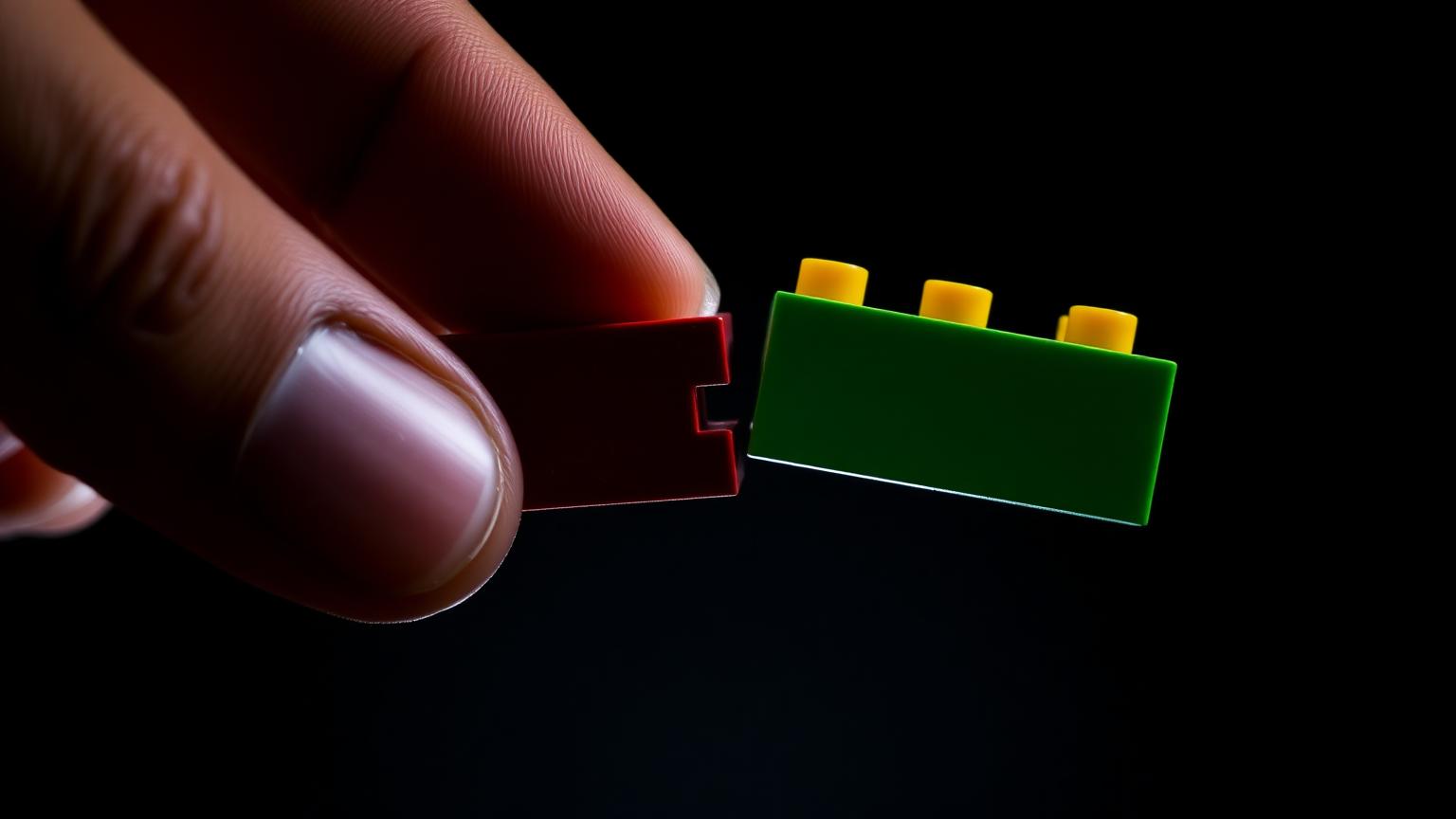
Grab one brick from each brand you want to mix. Stack them and press firmly. Do they snap together with a satisfying click? Do they hold when you lift the stack by the top brick? Do they separate without a fight? Yes to all three and you're golden.
The alignment test
Build a small 4x4 wall using alternating brands and check the edges. Tiny gaps compound — a fraction of a millimetre per brick becomes a visible slant over a large build. Catch this early.
The stress test
Build a small tower mixing both brands, then gently wiggle it. A stable tower means strong cross-brand clutch. A tower that flops means you'll need reinforcement in the real build.
Step 3: Know Your Brand Compatibility Map
Are LEGO and Mega compatible?
Mostly yes. Their bricks share the same stud dimensions and connect without trouble. The difference lives in specialty parts and clutch feel — Mega's larger themed pieces sometimes use unique connection points that don't cross over. For standard bricks, plates and tiles, they mix freely. Our deeper breakdown lives in Mega Construx, OYO and Vidiyo compatibility.
Is OYO compatible with LEGO?
For the core bricks and plates, yes — they connect on the universal standard. The catch is OYO's specialised sports figures and joints, which use proprietary connection systems that won't swap with standard minifigure parts. Use OYO figures as-is, and build your surrounding structures with any compatible brick.
What about electronics and accessories?
A LEGO compatible keyboard or similar branded accessory refers to a product styled or sized to work alongside your bricks, not necessarily to snap into them. Always read the product description: "compatible" on an electronic item usually means aesthetic or dimensional pairing, not stud connection.
Step 4: Plan Your Mixed-Brand Build
Group your pieces by role rather than by brand:
- Structural bricks — the load-bearing core
- Detail pieces — tiles, slopes and decorative parts
- Specialty elements — hinges, transparent panels, unique connectors
Use one brand's superior clutch for your foundation and internal framework, then layer another brand's finishes on the outside. Strength inside, style outside.
Watch your colours too. The same colour name means different shades across brands — one maker's "dark gray" leans blue, another leans brown. Test greys and whites in daylight before committing to a large surface. For more technique guides, browse the Morebybourn article library.
Step 5: Build for Strength Across Brands
- Overlap your seams — offset every layer, brick-laying style, so joints never stack vertically.
- Reinforce with plates — bridge every brand transition with a full plate laid across the boundary.
- Add internal supports — drop a hidden column of your highest-clutch brand inside tall structures.
- Test as you climb — check stability every few layers instead of at the end.
Step 6: Troubleshoot Common Mixing Problems
- Bricks won't stay connected — clutch is too loose; bridge with a plate from a tighter brand or move those pieces somewhere non-structural.
- Bricks jam — one brand molds slightly oversized. Use a brick separator and twist gently, never your teeth.
- Studs drift out of alignment — rebuild that section from a single-brand baseplate, then reintroduce the second brand.
- Colours clash under display lights — commit to one brand per visible colour zone, or lean into the variation as a weathered effect.
If a specific pairing keeps fighting you, our support team can point you toward the right connector pieces to bridge almost any gap.
Bringing It All Together
You start with the universal stud standard, test every new pairing, and plan your build by function and zone. Reinforce your seams, troubleshoot with plates and tools, and suddenly your entire collection becomes one giant toolkit. Pull two brands from your bin, run the five-minute stack test, and start your first true hybrid today.
Frequently Asked Questions
Are LEGO and Mega compatible for large builds?
For standard bricks, plates and tiles, yes — same stud dimensions, reliable connections. Keep themed specialty pieces within their own systems.
Is OYO compatible with LEGO bricks and plates?
Yes for core bricks and baseplates. OYO's articulated sports figures use their own joint system and won't swap with standard minifigures.
Does a LEGO compatible keyboard actually snap onto my bricks?
Usually not. On electronics, "compatible" almost always means styled or sized to sit alongside your bricks rather than clutch onto studs.
Why do some compatible bricks feel loose while others feel tight?
Manufacturing tolerance. Identical stud spacing, different moulding margins. Test clutch power before building anything structural.
How do I stop a mixed-brand build from leaning?
Offset seams, bridge brand transitions with full plates, and add a hidden internal support column from your strongest-clutch brand.
Order LEGO-Compatible Sets from Morebybourn
We sell LEGO alternative sets and compatible bricks built to the same 8mm stud standard your collection already uses, so every piece passes the stack test out of the box. If you would like help choosing the right set, simply contact our customer service team and we will place the order for you.