LEGO Compatible Bricks: The Builder's Buying Guide
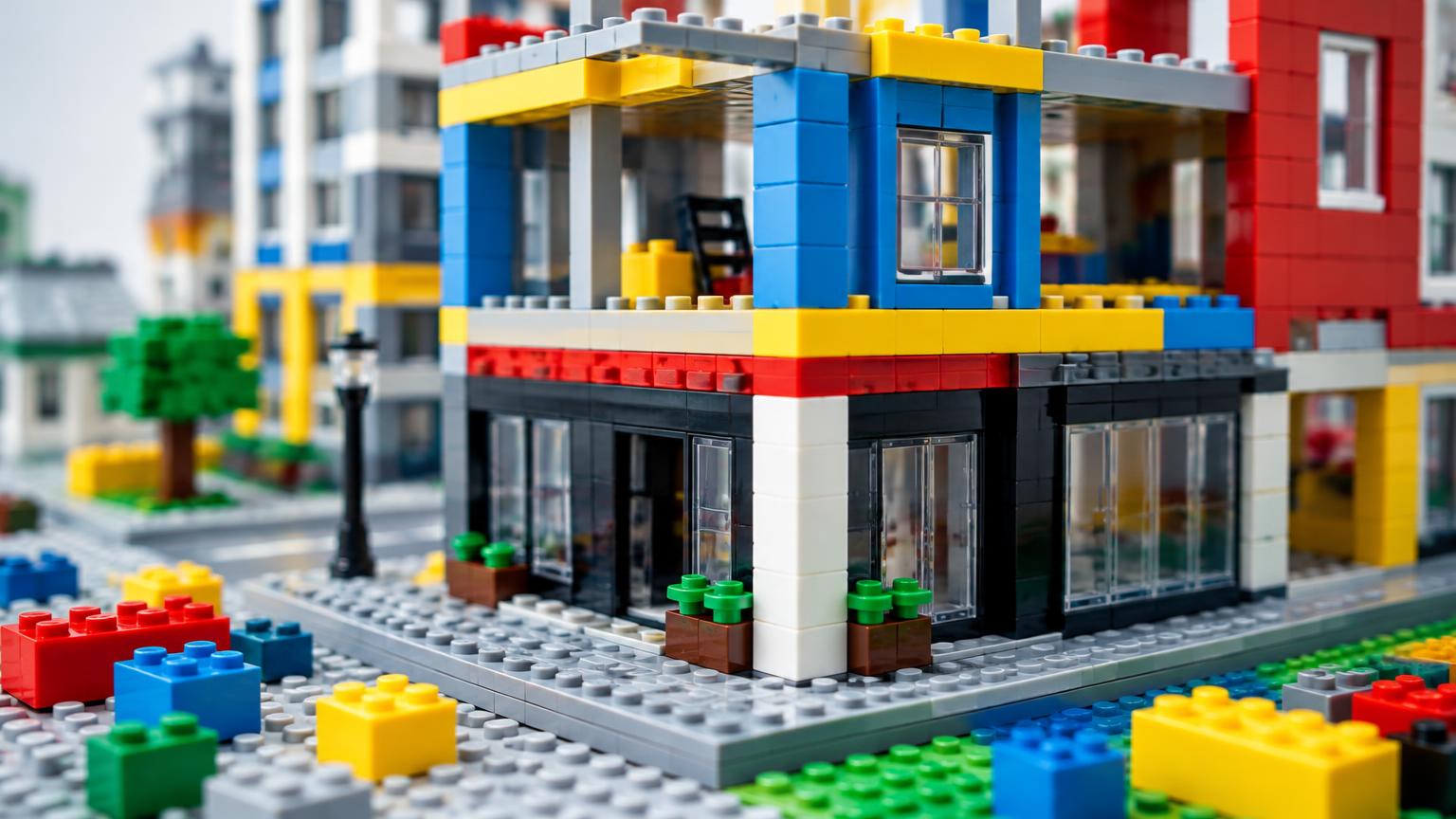
TL;DR: Lego compatible bricks use the same ABS plastic and ±0.01mm stud tolerance as official sets, at 40–70% lower cost. Quality lego compatible building blocks carry EN71 or ASTM F963 safety certification, clear English instructions, and consistent clutch power. This guide covers selection, setup, and brand mixing for builders in Europe and North America.
Why LEGO-Compatible Bricks Are Worth Your Attention
Brick building isn't just a kids' hobby anymore. Adults across IT, design, and engineering fields build large-scale models to decompress after work. Collectors chase limited editions. Parents use construction sets for hands-on STEM practice at home.
Official LEGO pricing hasn't kept pace with demand from any of these groups. A single large Icons set can run $400 or more. That's where lego compatible bricks enter the picture — manufactured to match LEGO's dimensions and clutch mechanism, sold at a fraction of the price.
The compatible brick market has matured fast. Early alternatives earned a reputation for loose connections and brittle plastic. That's changed. Manufacturers like Cada, Mould King, and Reobrix now produce ABS components that meet the same stud tolerance as official bricks — within 0.01mm. The practical result: pieces click, hold, and separate the way builders expect.
This guide breaks down what separates a reliable set from a disappointing one, how to pick the right lego compatible building blocks for your project, and how to mix brands without wrecking your build. We'll also cover setup, storage, and display — the parts that turn a finished model into something worth keeping on a shelf.
What Makes a Good LEGO-Compatible Set?
Not every compatible brick set delivers the same quality. Four factors separate a reliable build from a frustrating one.
Plastic grade and stud tolerance
Premium sets use food-contact-grade ABS plastic — the same resin standard used in official LEGO bricks. It's BPA-free and phthalate-free. Stud tolerance matters just as much: a deviation of even a few hundredths of a millimeter changes how pieces grip. Reputable brands manufacture to ±0.01mm, matching official specifications closely enough for cross-brand compatibility.
Safety certification
Look for EN71 certification for the European market or ASTM F963 for the US. Both standards test for toxic substances, choking hazards, and mechanical durability. A set without visible certification is a set to skip, especially if children will be building with it.
Print quality and clutch power
Cheaper alternatives often use stickers instead of printed elements. Stickers peel, misalign, and fade. Printed pieces hold their color and look sharper years later. Clutch power — how firmly two bricks hold together — should feel consistent across the whole set, not just at the connection points shown in marketing photos.
Instructions and support
English-language manuals with clear, numbered steps matter more than builders expect until they hit a confusing page. Sets shipped with vague translations slow down even experienced builders. Brands that curate carefully, including Morebybourn, filter for English instructions and verified sourcing before listing a set.
How to Choose the Right LEGO-Compatible Building Blocks for Your Needs
Choosing lego compatible building blocks comes down to matching the set to the builder. Here's how to decide.
Choose a smaller piece count (under 500) if you're building with a child aged 6–12, or you want a project that finishes in a single sitting. Chunky bricks, bright colors, and simple color-coded steps work best at this level.
Choose a mid-range set (500–1,500 pieces) if you're an intermediate builder looking for a weekend project. Vehicle and city-themed sets in this range balance complexity with a reasonable build time.
Choose a large-scale set (2,000+ pieces) if you're building for display, collecting, or stress relief after work. Architecture and Icons-style sets in this category reward patience with intricate detail and a strong finished centerpiece.
Choose Technic-style sets with motorized components if mechanical function matters to you as much as appearance. These sets cost more but deliver moving parts, gear systems, and in some cases remote control.
Budget matters too. A $200 official LEGO set has a compatible equivalent in the $60–$120 range, depending on piece count and licensing. Comparison shopping through a dedicated retailer's product catalog makes it easier to match piece count, price, and theme in one search instead of hunting across marketplaces.
How Do You Start Building with LEGO-Compatible Bricks?
Starting a build goes faster with a system. Follow these steps.
1. Unbag and sort before opening the manual. Most sets ship with numbered bags corresponding to build stages. Open one bag at a time rather than dumping every piece into one pile.
2. Check the manual's first page for symbol keys. Many compatible brands use the same icon system as official LEGO instructions — arrows for rotation, magnified circles for small connections. A minute spent here saves confusion later.
3. Build the base first, always. Skipping ahead to the parts you're excited about usually means backtracking. Base plates and foundational layers set the structural integrity for everything that follows.
4. Work in short sessions for large sets. A 3,000-piece model doesn't need to finish in one day. Builders report better focus and fewer mistakes when sessions run 45–90 minutes.
5. Keep loose pieces in labeled containers. Small sorting drawers prevent the common problem of losing a single specialty piece mid-build.
Tips for Getting the Most Out of Your LEGO-Compatible Building Blocks
A finished model deserves display conditions that protect the build, not just a shelf.
Protect against UV fading. ABS plastic yellows with prolonged sun exposure. Keep finished models away from windows, or invest in a dust-proof acrylic display case sized to standard LEGO dimensions.
Add lighting for visual impact. LED strip kits designed for brick displays noticeably improve how architectural and vehicle models read in a room, especially after dark.
Document your build. Builders active in online communities often photograph progress at each major stage. It's a simple habit that turns a one-time project into shareable content, and it helps troubleshoot a step if you need to rebuild a section later.
Rotate your collection. Collectors with multiple finished sets often rotate which models stay on display, keeping the hobby feeling fresh without requiring new purchases.
Join a builder community. Forums and social groups dedicated to brick building offer troubleshooting help, trade opportunities for rare pieces, and feedback on original designs. This matters most for builders who design their own models rather than following official instructions.
How Do You Mix and Match Brands for Creative Builds?
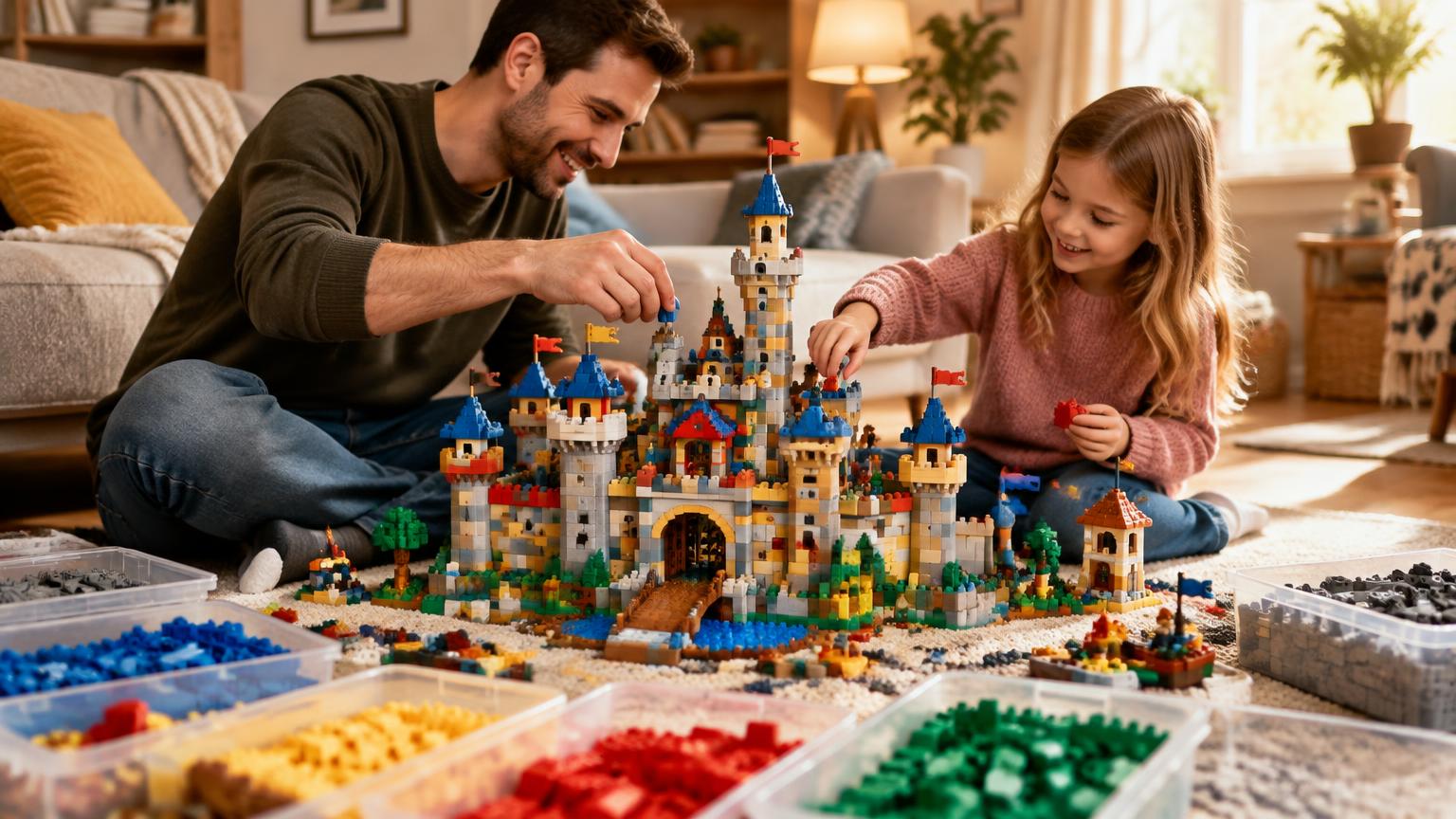
One advantage of lego compatible bricks over official sets alone: cross-brand compatibility opens up builds no single manufacturer offers.
Because most reputable brands manufacture to the same stud tolerance, pieces from Cada, Mould King, Reobrix, and official LEGO sets generally interlock without issue. This lets builders combine a Technic chassis from one brand with body panels from another, or extend an official city set with compatible add-on buildings at a lower cost than buying more official inventory.
A few practical notes before mixing brands:
- Match brick color codes carefully. Shades of gray and tan vary slightly between manufacturers. If color consistency matters for your build, test a small section before committing to a full wall or facade.
- Compare clutch power before combining load-bearing sections. A base plate from a lower-grade brand may not hold the weight of a premium brand's upper structure as firmly.
- Curated retailers simplify sourcing. Rather than ordering from a dozen individual brand sites, a retailer that pre-vets compatibility — such as Morebybourn's collection — reduces the guesswork involved in brand mixing.
This cross-brand approach is especially useful for creators who design original models (MOCs) rather than following official instructions. Mixing brands means access to a wider range of specialty pieces, colors, and part shapes than any single manufacturer stocks alone.
Start Your Next Build
Lego compatible bricks and lego compatible building blocks have closed the quality gap that once separated them from official sets. The combination of matched stud tolerance, certified safety standards, and significant cost savings makes them a practical choice whether you're building with a child, starting a collection, or designing original models for a community of fellow builders.
The next step is simple: pick a project size that matches your available time, confirm the certification and plastic grade before buying, and start with the base layer first. A completed build — whatever its scale — is the real reward.
Frequently Asked Questions
Are LEGO-compatible bricks actually compatible with official LEGO sets?
Yes. Premium compatible brands manufacture ABS bricks to the same ±0.01mm stud tolerance as official LEGO pieces, which means they connect and hold without issue. Quality varies by brand, so check for EN71 or ASTM F963 certification before buying.
How much can I save by choosing compatible bricks over official LEGO sets?
Builders typically save 40–70% compared to equivalent official LEGO pricing, depending on piece count, licensing, and set complexity.
Are LEGO-compatible building blocks safe for children?
Sets certified to EN71 (EU) or ASTM F963 (US) are tested for toxic substances, choking hazards, and mechanical durability, using the same BPA-free, phthalate-free ABS resin as official bricks. Always follow the recommended age range on the packaging, particularly for sets with small Technic components.
What's the best piece count for a first-time builder?
Start under 500 pieces for a first build, especially with children. This range finishes in a reasonable session and keeps instructions simple. Experienced builders can move to 1,000+ piece sets for a weekend project.
Can I combine pieces from different compatible brands in one build?
In most cases, yes. Brands manufactured to matching stud tolerances interlock without issue, though color shades and clutch power can vary slightly between manufacturers. Test a small section first if color consistency or structural load matters for your build.
Keep Exploring
Compare this with our Compatible Building Bricks: A Buyer's Guide to LEGO Alternatives, read the Lego alternative sets buying guide and the best lego alternative buying guide, or browse more Best Lego Alternatives articles.
Order LEGO Alternatives From Morebybourn
We sell LEGO alternative sets and compatible bricks for kids, families, and collectors. Browse our available sets, contact our customer service team, or message us on WhatsApp for personal recommendations and help placing your order.
Order LEGO-Compatible Sets from Morebybourn
We sell LEGO alternative sets and compatible bricks for families, hobbyists, and collectors. Contact our customer service team for personal recommendations and help placing your order.